Middle Corridor Logistics from Central Asia to Europe
Multimodal freight forwarding from Kazakhstan, Uzbekistan and other Central Asian countries to Europe via the Trans-Caspian International Transport Route (TITR), also known as the Middle Corridor.
Freight rates from $110 per ton.
Sofmar coordinates rail, Caspian Sea, port, road and feeder transportation between Central Asia and European destinations. Cargo can be routed through Kazakhstan, the Caspian Sea, Azerbaijan, Georgia and onward to Türkiye, the Black Sea and the European Union, depending on the origin, destination and cargo requirements.

Middle Corridor Freight Route
The Middle Corridor, officially known as the Trans-Caspian International Transport Route (TITR), connects Central Asia with Europe using a combination of rail, maritime and road transportation.
A typical Central Asia–Europe routing is:
Central Asia → Kazakhstan → Caspian Sea → Azerbaijan → Georgia → Black Sea / Türkiye → Europe
The exact routing is selected according to the cargo origin, destination, equipment availability, transit requirements and current transport conditions.
Main transport segments
| Route Segment | Origin / Destination | Transport Mode |
|---|---|---|
| Central Asia → Kazakhstan | Uzbekistan, Kyrgyzstan, Tajikistan, Turkmenistan → Kazakhstan | Rail / Road |
| Kazakhstan → Caspian Sea | Inland Kazakhstan → Aktau / Kuryk | Rail / Road |
| Caspian Sea crossing | Aktau / Kuryk → Alat / Baku | Sea Ferry |
| Azerbaijan → Georgia | Alat / Baku → Georgia | Rail / Road |
| Georgia → Europe | Poti / Batumi → European gateways | Sea Feeder / Rail / Road |
| Georgia → Türkiye | Georgia → Türkiye → European network | Rail / Road |
| European gateway → Final destination | European port / terminal → consignee | Rail / Road |
Sofmar already operates Middle Corridor-related multimodal solutions involving Central Asia, the Caspian Sea, Azerbaijan, Georgia and European gateways.
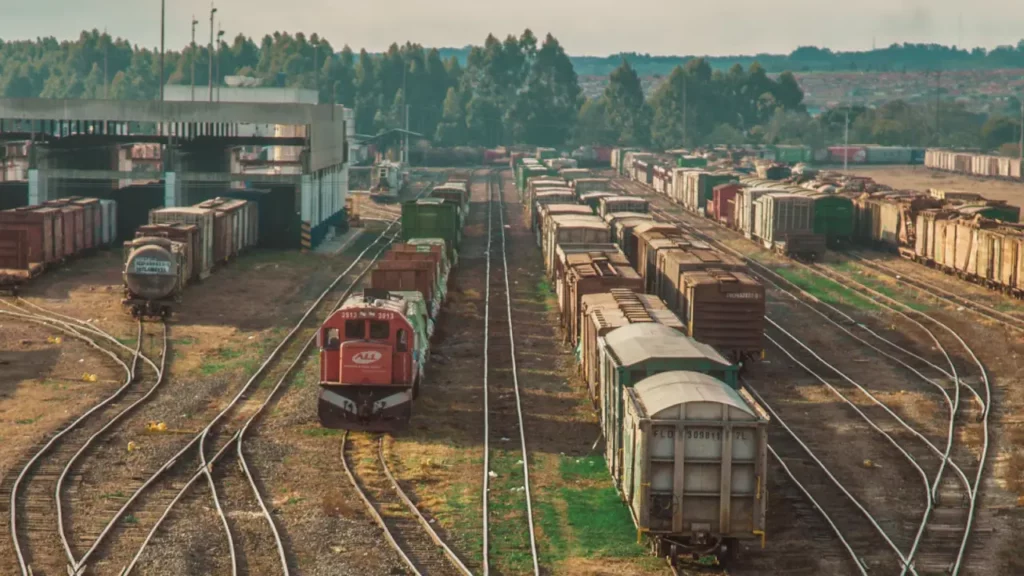
Central Asia to Europe Freight Forwarding
Sofmar provides multimodal transportation for shipments originating in:
- Kazakhstan
- Uzbekistan
- Turkmenistan
- Tajikistan
- Kyrgyzstan
The logistics chain can combine:
- rail freight
- road freight
- Caspian Sea ferry transportation
- container transportation
- Black Sea feeder services
- European rail
- European road delivery
- port handling
- customs and transit documentation
The existing Sofmar Central Asia–Europe service pages describe typical multimodal transit ranges of approximately 10–25 days, depending on origin, destination, cargo and routing.
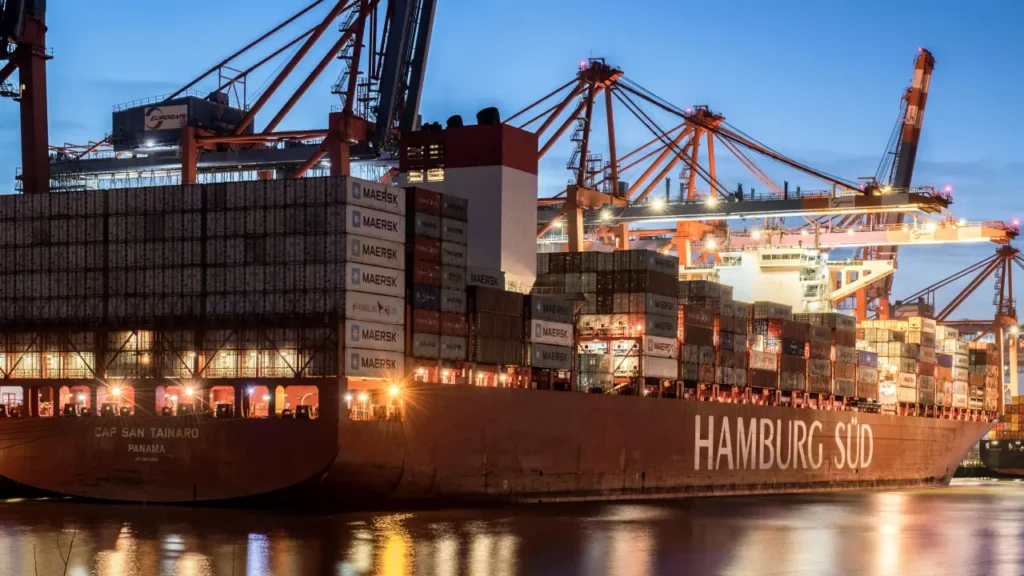
Kazakhstan to Europe via the Middle Corridor
Kazakhstan is one of the principal origins for Middle Corridor freight.
A typical route is:
Almaty / Astana / other Kazakhstan locations → Aktau or Kuryk → Caspian Sea → Alat/Baku → Georgia → Black Sea / Türkiye → Europe
For containerized cargo, the route can combine:
Rail → Caspian ferry → rail → sea feeder → European rail/road
Sofmar’s existing Kazakhstan–Europe routing specifically describes movement from Kazakhstan toward Aktau, followed by Caspian transportation and onward movement through Azerbaijan and Georgia.
Kazakhstan → Germany
Possible multimodal chain:
Kazakhstan → Aktau/Kuryk → Baku/Alat → Georgia → Black Sea / Türkiye → Germany
Suitable transport solutions may include:
- container rail freight
- Caspian ferry
- Black Sea feeder
- European rail
- truck delivery
Kazakhstan → Poland
Typical routing:
Kazakhstan → Aktau → Baku → Georgia → Black Sea → EU → Poland
Poland can also function as a distribution point for Central and Eastern European markets. Major logistics destinations in Poland include Warsaw, Łódź, Poznań, Katowice and Wrocław.
Kazakhstan → Netherlands
Cargo can be routed through Black Sea and European intermodal networks toward the Netherlands and other Western European destinations.
For large containerized shipments, the final routing depends on the selected European gateway and available rail/road capacity.
Kazakhstan → Italy
Multimodal transportation can combine:
Rail + Caspian Sea + Caucasus transit + Black Sea / Türkiye + European rail or road
The final route is selected according to the destination city and cargo characteristics.
Uzbekistan to Europe via the Middle Corridor
Uzbekistan is another important origin for Central Asian exports.
A typical route is:
Uzbekistan → Kazakhstan → Caspian Sea → Azerbaijan → Georgia → Europe
Depending on the origin and cargo, inland transportation can include rail or road before the Caspian crossing.
Sofmar’s Central Asia logistics network covers Uzbekistan together with Kazakhstan, Turkmenistan and Tajikistan.
Uzbekistan → Germany
Uzbekistan → Kazakhstan → Caspian Sea → Azerbaijan → Georgia → Germany
Uzbekistan → Poland
Uzbekistan → Kazakhstan → Caspian Sea → Azerbaijan → Georgia → Poland
Uzbekistan → Netherlands
Multimodal rail, sea and road transportation can be arranged according to the final destination and cargo requirements.
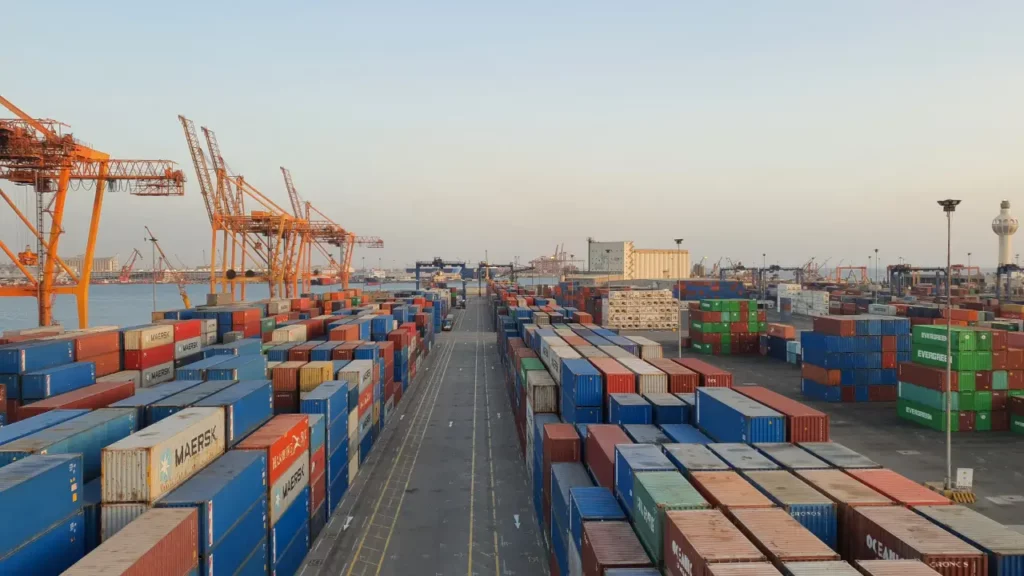
Turkmenistan, Tajikistan and Kyrgyzstan to Europe
The Middle Corridor can also be used for cargo originating in other Central Asian countries.
Possible origin flows include:
Turkmenistan → Turkmenbashi → Caspian Sea → Azerbaijan → Georgia → Europe
Tajikistan → Uzbekistan/Kazakhstan → Caspian Sea → Azerbaijan → Georgia → Europe
Kyrgyzstan → Kazakhstan → Caspian Sea → Azerbaijan → Georgia → Europe
The actual route depends on the location of the cargo, border crossings, rail availability and destination.
Caspian Sea Freight
The Caspian Sea is a critical multimodal section of the Middle Corridor.
Main Caspian ports
- Aktau
- Kuryk
- Turkmenbashi
- Alat / Baku
Cargo arriving at the Caspian ports can be transferred between rail, road and ferry transportation.
The existing Sofmar Middle Corridor route describes Aktau, Kuryk and Turkmenbashi as eastern Caspian gateways and Alyat near Baku as the western connection point.
Azerbaijan Transit Logistics
After the Caspian Sea crossing, cargo enters Azerbaijan.
The main western logistics connection is:
Alat / Baku → Azerbaijan railway network → Georgia
From Azerbaijan, cargo can continue toward Georgia by rail or road.
For containerized freight, this creates the next stage of the multimodal chain:
Caspian ferry → rail → Georgian port / terminal
Georgia: Middle Corridor Logistics Hub
Georgia is a key transit country between Azerbaijan, the Black Sea, Türkiye and European transport networks.
Main Georgian logistics hubs
- container handling
- general cargo
- Black Sea feeder connections
- rail connections
- European distribution
- port operations
- container and general cargo
- regional multimodal transportation
Tbilisi
- inland logistics
- rail connections
- cargo consolidation and distribution
Sofmar operates from Poti, Georgia, and its existing Middle Corridor services use Poti and Batumi as important Black Sea gateways.
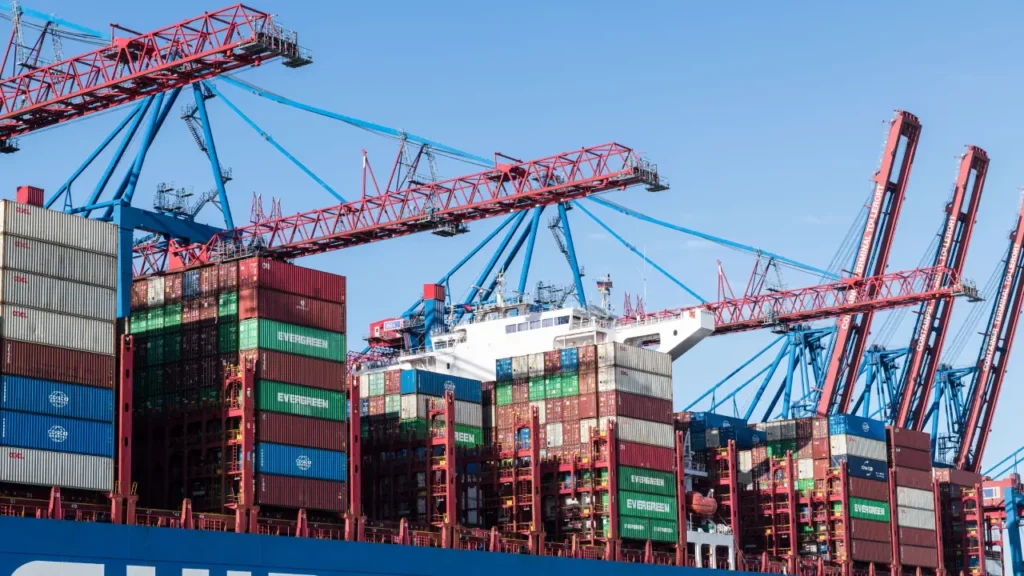
Georgia to Europe Freight Forwarding
From Georgia, cargo can continue toward European markets using different combinations of sea, rail and road transportation.
Possible Black Sea gateways include:
- Constanța, Romania
- Varna, Bulgaria
- Burgas, Bulgaria
- Thessaloniki, Greece
- other European gateways depending on the shipment
From European ports, cargo can continue by rail or truck to:
- Germany
- Poland
- Netherlands
- Belgium
- Italy
- France
- Czech Republic
- Slovakia
- Hungary
- Romania
- other EU destinations
Sofmar’s existing service pages describe Poti and Batumi connections with Black Sea and European gateways, including Constanța, Varna, Burgas and Thessaloniki.
Middle Corridor Rail Freight
Rail is one of the main transport modes used across the Middle Corridor.
A typical rail-based chain can include:
Central Asia → Kazakhstan → Aktau/Kuryk → Caspian ferry → Azerbaijan → Georgia → European gateway → final destination
Rail is particularly suitable for:
- containerized cargo
- industrial equipment
- machinery
- metals
- agricultural products
- general cargo
- project cargo
Sofmar provides coordination of rail and multimodal shipments across the corridor, including containerized and consolidated cargo.
Middle Corridor Container Shipping
Sofmar coordinates containerized freight along the Middle Corridor.
Available equipment may include:
- 20-foot containers
- 40-foot containers
- 40-foot High Cube containers
- selected special equipment depending on cargo requirements
Container transportation can combine:
Rail + Caspian ferry + rail + sea feeder + European rail/road
For example:
Central Asia → Aktau/Kuryk → Baku/Alat → Poti/Batumi → European gateway → final destination
Sofmar’s existing Asia–Europe container service describes this type of five-stage multimodal chain.
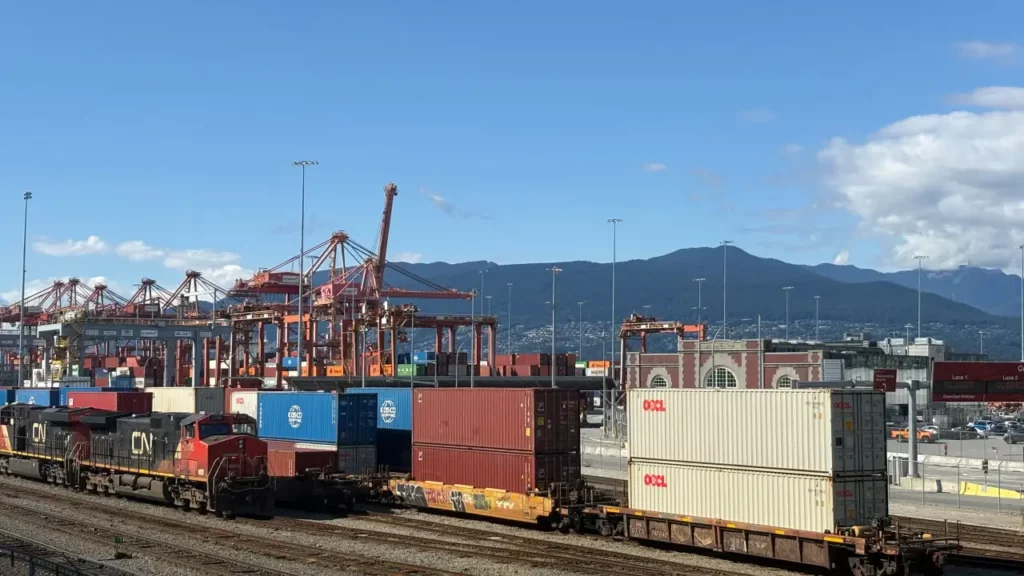
Multimodal Freight Forwarding
The main advantage of the Middle Corridor is that it is not a single-mode transport route.
A shipment may require several transport modes:
1. Inland transportation
Rail or truck from the shipper to a Caspian port.
2. Caspian Sea
Ferry transportation between Kazakhstan/Turkmenistan and Azerbaijan.
3. Caucasus
Rail or road transportation through Azerbaijan and Georgia.
4. Black Sea
Sea feeder transportation from Georgian ports to European gateways.
5. European delivery
Rail or truck transportation to the consignee.
Sofmar coordinates these stages as a single freight forwarding operation rather than requiring the shipper to arrange each segment independently.
Middle Corridor Freight Rates from $110 per Ton
Sofmar offers freight transportation from Central Asia to Europe from $110 per ton.
The actual quotation depends on:
- loading location
- destination
- cargo weight
- cargo volume
- cargo type
- number of packages
- container type
- loading and unloading requirements
- rail transportation
- Caspian Sea crossing
- port handling
- customs requirements
- final-mile delivery
$110/ton is a starting rate, not a fixed price for every shipment.
For an accurate quotation, provide the shipment details and Sofmar will calculate the applicable transport solution.
Middle Corridor Logistics for European Importers
The Middle Corridor is not only an export route for Central Asian companies.
European importers can use the corridor to source goods from:
Sofmar can coordinate transportation from the Central Asian origin through the Caspian Sea and South Caucasus to the European destination.
Main European markets
- Germany
- Poland
- Netherlands
- Belgium
- Italy
- France
- Romania
- Bulgaria
- Greece
- Türkiye
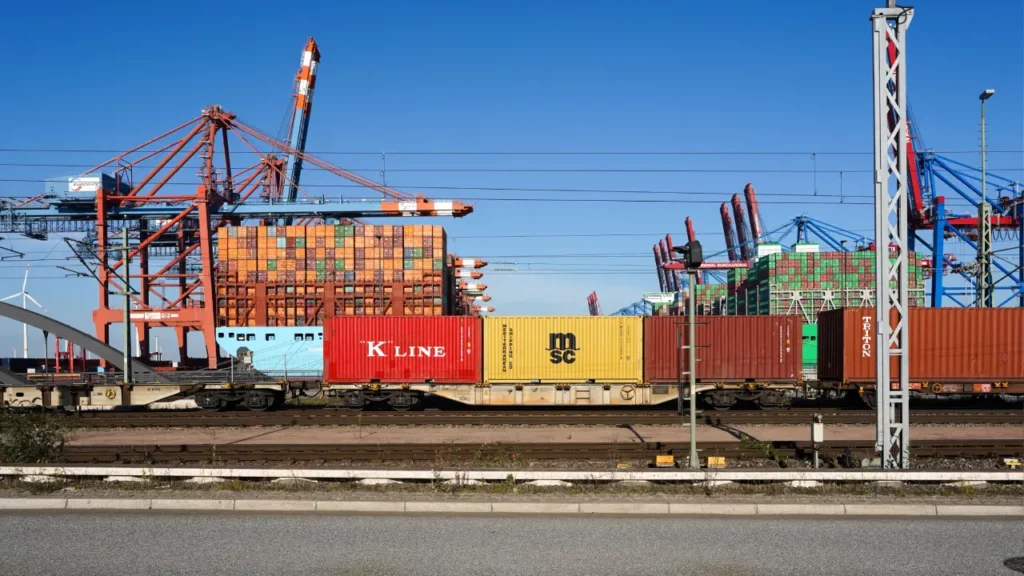
Middle Corridor vs. Different Transport Modes
The Middle Corridor is a multimodal route, not a replacement for every transport mode.
Compared with ocean freight
Middle Corridor transportation can provide a different routing option for cargo requiring shorter transit than conventional long-distance maritime routes, while still using rail and short sea crossings.
Compared with air freight
Rail and multimodal transportation generally target significantly larger cargo volumes at lower transport costs than air freight.
Compared with road-only transportation
The Middle Corridor combines rail and maritime segments, which can be more appropriate for long-distance Central Asia-Europe cargo than an entirely road-based route.
The correct solution depends on the shipment rather than one transport mode being universally better.
Middle Corridor Shipping from Central Asia
Sofmar can coordinate:
Sea freight
Road freight
Container shipping
Port handling
Customs documentation
European final-mile delivery
The logistics plan is built around the cargo rather than forcing every shipment onto the same route.
Why Use Sofmar for Middle Corridor Freight?
Sofmar is based in Poti, Georgia, directly within the Black Sea section of the Middle Corridor.
The company coordinates freight forwarding across:
Central Asia → Caspian Sea → Azerbaijan → Georgia → Europe
Services include:
- multimodal route planning
- rail freight coordination
- Caspian Sea transportation
- container transportation
- port handling
- road transportation
- customs documentation
- European delivery coordination
Sofmar’s existing Middle Corridor and Asia–Europe services are centered around this multimodal network.
Get a Middle Corridor Freight Quote
Move cargo from Central Asia to Europe via the Middle Corridor.
Sofmar coordinates multimodal freight transportation using rail, Caspian Sea, road and European logistics networks.
From $110 per ton.
Send your origin, destination, cargo weight and volume to receive a shipment-specific quotation.


