Kyrgyzstan Railway Logistics & International Freight Transportation
Railway transportation remains one of the key foundations of cargo movement across Central Asia. As international trade routes between Asia and Europe continue to expand, Kyrgyzstan is becoming increasingly involved in regional and global logistics networks.
Today, businesses require transportation solutions that combine reliability, stable transit times, and flexible routing options. Railway freight plays a major role in meeting these demands, especially for long-distance cargo transportation and multimodal supply chains connecting Central Asia with Europe and overseas markets.
Despite having no direct access to the sea, Kyrgyzstan is strategically positioned within developing Eurasian transport corridors linking China, Central Asia, the Caucasus region, and Europe. This allows railway logistics to integrate efficiently with road transportation, container shipping, and maritime freight routes.
Sofmar provides railway logistics, freight forwarding, and multimodal cargo transportation solutions involving Kyrgyzstan and international Eurasian transport corridors.
Railway Infrastructure in Kyrgyzstan
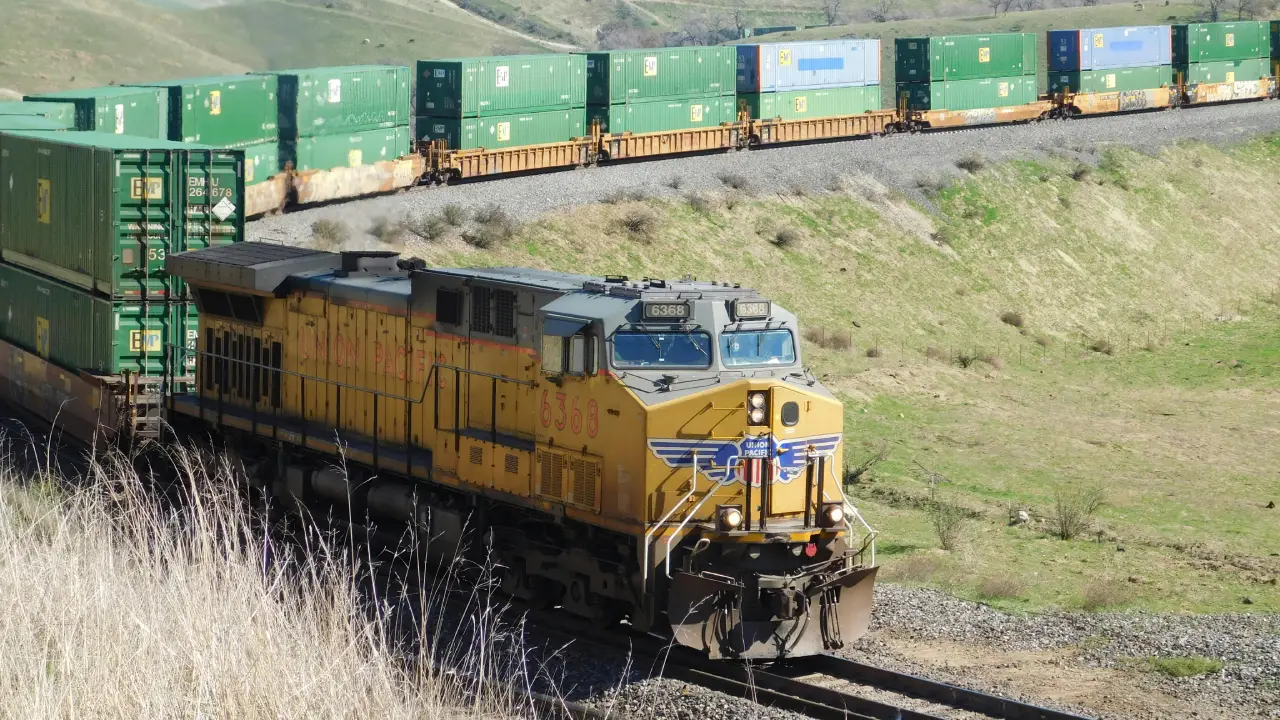
The railway network in Kyrgyzstan connects industrial regions and cargo terminals with neighboring countries such as Kazakhstan and Uzbekistan. These rail connections create access to larger international logistics systems across Central Asia and beyond.
Rail transportation is commonly used for:
- industrial cargo
- machinery and equipment
- mining and raw materials
- agricultural products
- commercial cargo
- containerized shipments
For medium and large-volume freight, railway transportation often provides a more cost-efficient and stable alternative to long-distance trucking.
Growing Importance of Eurasian Rail Corridors
International supply chains are rapidly changing as companies search for alternative transport routes between Asia and Europe.
Because of its geographic position, Kyrgyzstan is becoming increasingly important within Eurasian rail and multimodal transport corridors. Cargo transported through the region is frequently integrated into larger logistics networks involving:
- railway transportation across Central Asia
- truck delivery to inland terminals
- Caspian Sea shipping routes
- Black Sea logistics corridors
- European railway and road transport systems
These routes create additional flexibility for international freight transportation and reduce dependency on traditional shipping corridors.
Multimodal Transportation Solutions
Modern logistics rarely depends on a single mode of transport.
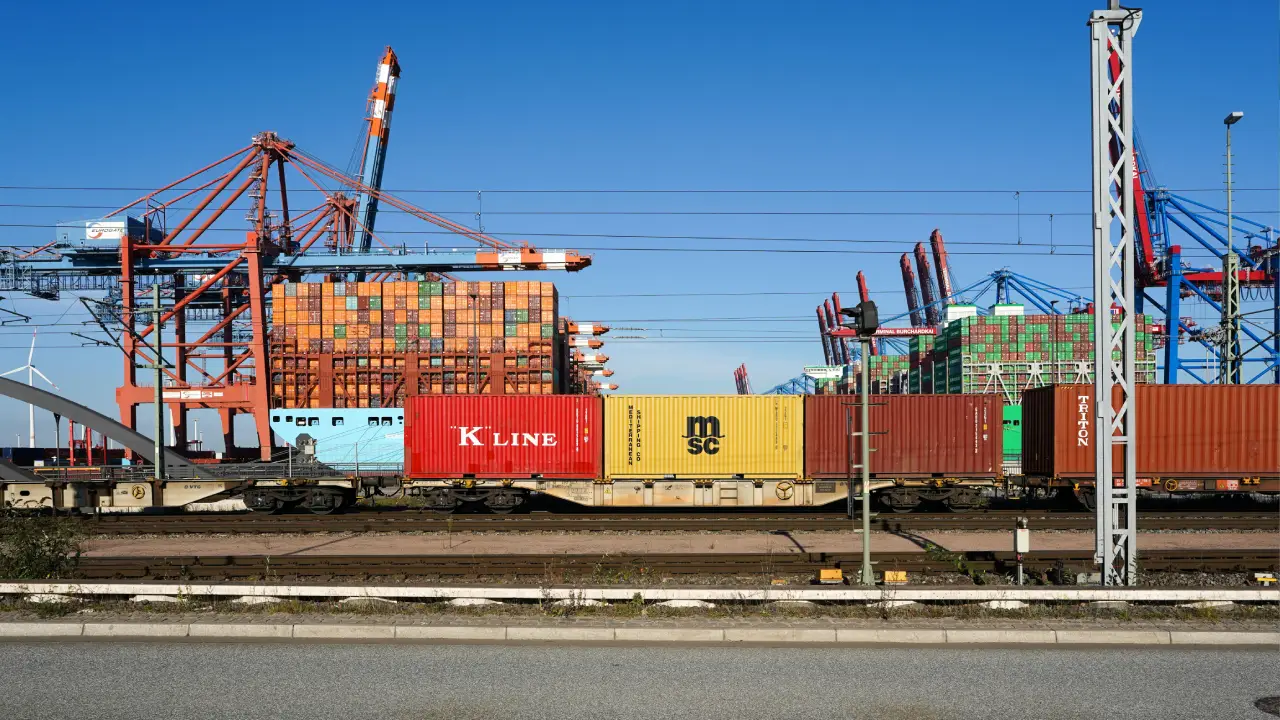
For this reason, Kyrgyzstan railway logistics is often combined with multimodal transportation systems integrating rail freight, trucking, container logistics, and sea transportation into one coordinated supply chain.
A typical multimodal route may include:
- railway transportation through Central Asia
- cargo consolidation at logistics terminals
- truck transportation to ports
- maritime shipping across the Caspian or Black Sea
- inland European delivery by rail or truck
This logistics structure allows companies to optimize both transportation costs and delivery timelines.
Railway Freight and Cargo Transportation
Rail freight transportation is widely used for stable long-distance cargo delivery throughout the Eurasian region.
Common cargo categories transported through Kyrgyzstan include:
- industrial machinery
- mining products and metals
- construction materials
- chemical cargo
- consumer goods
- project and oversized cargo
Container transportation is also becoming increasingly important as trade flows between Asia and Europe continue to grow.
Transit Time and Transportation Planning
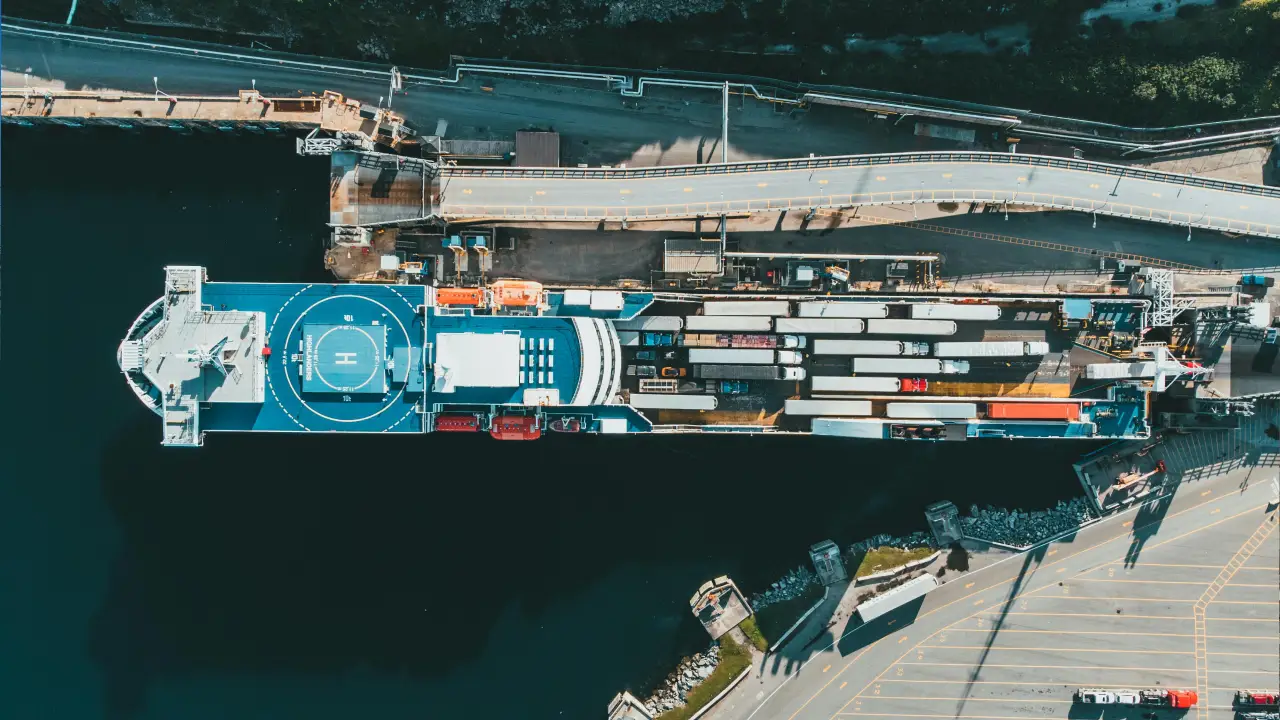
Transit times depend on route structure, customs procedures, terminal handling, and cargo specifications.
Railway transportation across Central Asia generally requires between 7 and 20 days before integration into broader international multimodal routes.
When combined with maritime transportation and European delivery networks, final transit times vary depending on destination country and logistics conditions.
Estimated Transit Times to Europe and North America
| Destination Country | Main Route | Estimated Transit Time | Transport Format |
|---|---|---|---|
| Germany | Kyrgyzstan → Kazakhstan → Caspian Sea → Georgia → Europe | 25–35 days | Rail + Sea + Truck |
| Poland | Kyrgyzstan → Kazakhstan → Georgia → Black Sea → Poland | 23–32 days | Multimodal |
| Switzerland | Kyrgyzstan → Caspian Corridor → Europe | 25–35 days | Rail + Sea |
| France | Kyrgyzstan → Georgia → European Rail Network | 28–38 days | Multimodal |
| Italy | Kyrgyzstan → Black Sea → Mediterranean Corridors | 27–36 days | Rail + Sea |
| Netherlands | Kyrgyzstan → Georgia → EU Rail Corridors | 30–40 days | Multimodal |
| United Kingdom | Kyrgyzstan → Europe → UK | 32–45 days | Rail + Sea + Truck |
| United States | Kyrgyzstan → Georgia → Europe → Atlantic Shipping | 45–65 days | Rail + Sea |
| Canada | Kyrgyzstan → Europe → Atlantic Ocean | 50–70 days | Multimodal |
| Mexico | Kyrgyzstan → Europe → Atlantic/Pacific Shipping | 55–75 days | Rail + Sea |
Container Transportation Options
Container logistics continues to play a growing role in international railway transportation across Eurasia.
Two primary shipping formats are commonly used.
FCL — Full Container Load
FCL shipping is suitable for medium and large cargo volumes.
Typical capacities include:
- 20-foot container: approximately 28 m³
- 40-foot container: approximately 60–68 m³
This transportation format reduces cargo handling and improves shipment security during transit.
LCL — Less-than-Container Load
Smaller shipments can be consolidated into shared containers together with cargo from multiple suppliers.
This solution helps businesses reduce transportation costs for smaller shipment volumes.
Advantages of Railway Logistics
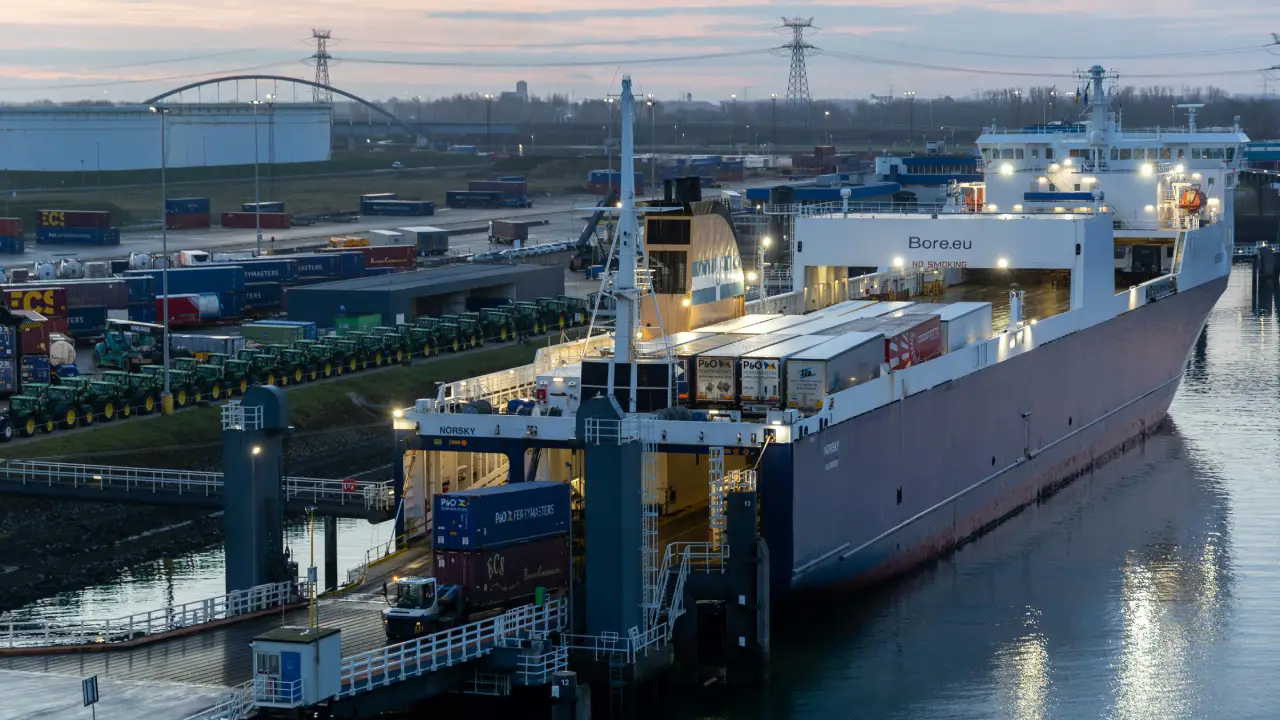
Rail freight transportation offers several major advantages for international cargo delivery:
- stable transportation schedules
- cost efficiency for long-distance routes
- scalable freight capacity
- reliable container transportation
- integration with multimodal logistics systems
- reduced transportation costs for bulk cargo
Railway logistics is particularly effective for industrial, commercial, and project cargo requiring predictable transit conditions.
Freight Forwarding and Logistics Services
Sofmar provides railway freight forwarding and multimodal logistics coordination services involving Kyrgyzstan and Eurasian transport corridors.
Services include:
- railway cargo planning
- multimodal route coordination
- container logistics management
- cargo consolidation
- customs documentation support
- terminal and port handling
- shipment monitoring and cargo coordination
This allows businesses to maintain stable international supply chains and efficient cargo movement across multiple regions.
Future Development of Railway Logistics in Central Asia
Trade between Asia and Europe continues to increase, strengthening the strategic importance of Central Asian transport corridors.
Infrastructure modernization projects, railway investments, and expanding multimodal logistics routes are gradually increasing Kyrgyzstan’s role in Eurasian freight transportation.
As global supply chains continue to evolve, railway logistics involving Kyrgyzstan is expected to become even more important for international trade and regional cargo movement.


