Marine Cargo Georgia
Sofmar provides marine cargo and sea freight services through Georgia, connecting international shipping routes with Europe and Central Asia. We coordinate cargo transportation through the Georgian Black Sea ports of Poti and Batumi and arrange onward delivery by rail, road, or multimodal transport.
Our services are designed for importers, exporters, manufacturers, distributors, trading companies, and other businesses moving commercial cargo between Asia, Europe, Georgia, and Central Asia.
Georgia provides a practical connection between maritime shipping and inland transportation routes across the Caucasus and Eurasia. Sofmar coordinates the different stages of transportation to create efficient routes for international cargo.
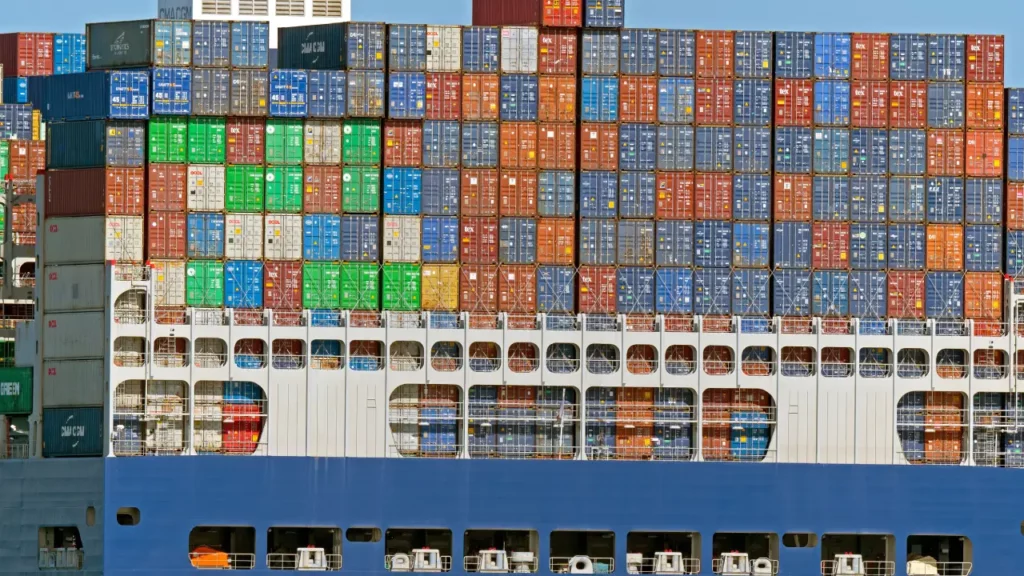
Marine Cargo Through Georgia
Marine cargo through Georgia combines sea freight with inland transportation to connect international ports with destinations in Europe and Central Asia.
Depending on the cargo and destination, transportation can include:
- Sea freight and container shipping
- FCL and LCL cargo
- Port handling and coordination
- Customs and transit coordination
- Rail freight
- Road freight
- Multimodal transportation
- Final delivery to the consignee
A typical route can be organized as:
Origin → Sea Freight → Georgia → Rail/Road → Final Destination
The reverse configuration is also possible:
Central Asia / Europe → Rail/Road → Georgia → Sea Freight → Destination
This allows Georgian ports to be integrated into international supply chains rather than used only for cargo entering Georgia itself.
Sea Freight Through Georgia to Europe
Marine cargo through Georgia can be connected with European destinations using Black Sea maritime services and onward rail or road transportation.
Depending on the route, cargo can be delivered to markets including:
For example, cargo from Asia can move by sea to Georgia and then continue by rail or road toward European destinations.
Asia → Sea Freight → Georgia → Rail/Road → Europe
This configuration can be used for containerized commercial cargo, industrial equipment, raw materials, machinery, consumer goods, and other shipments requiring international freight forwarding.
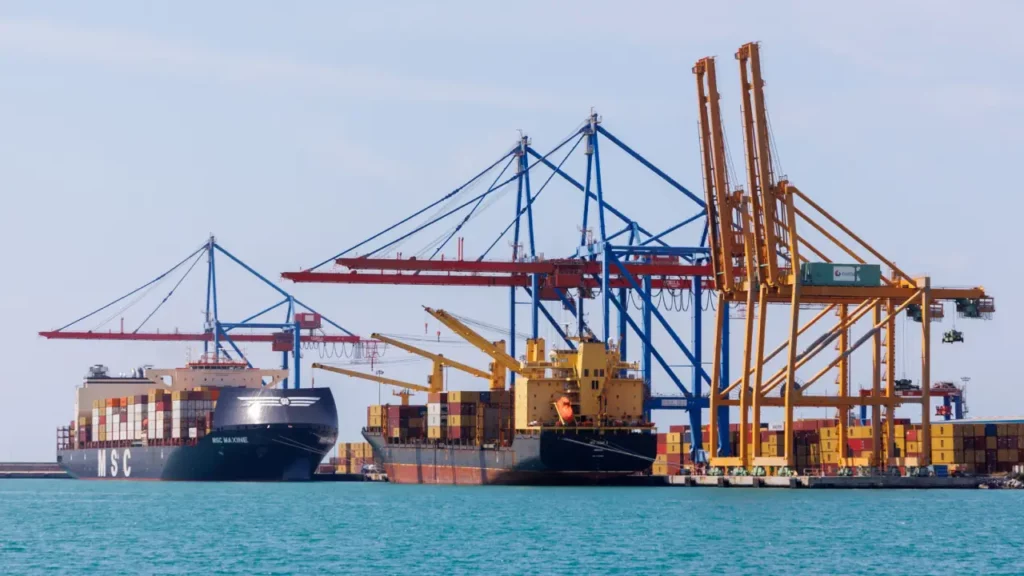
Marine Cargo Through Georgia to Central Asia
Georgia also provides a maritime gateway for cargo moving toward Central Asian markets.
Sofmar can coordinate transportation from Georgian ports toward:
A typical route can combine sea freight with rail and road transportation:
Sea Freight → Georgia → Rail/Road → Central Asia
The exact transport combination depends on the origin, destination, cargo characteristics, available transport services, and required delivery time.
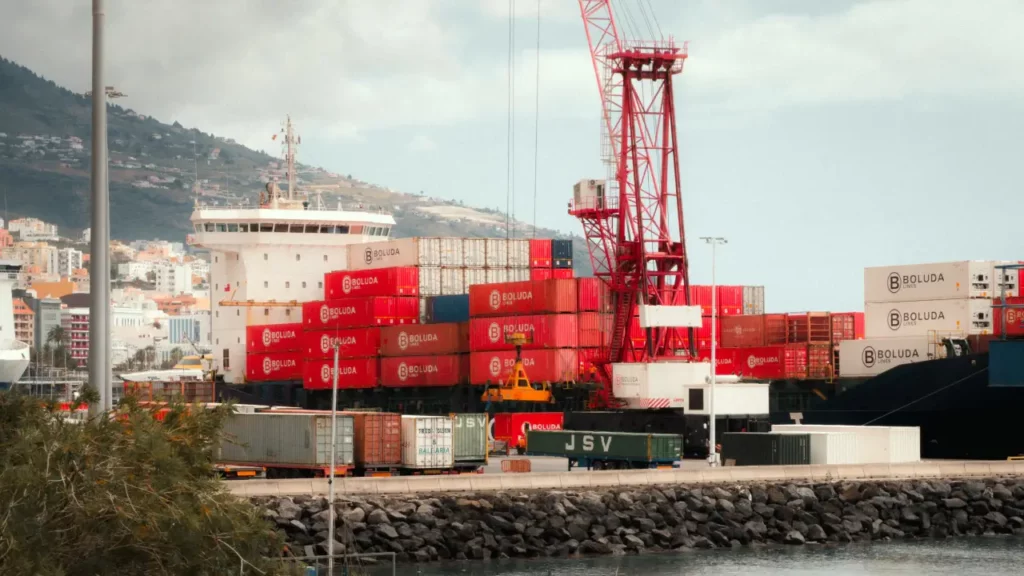
Marine Cargo via Poti
Poti is one of Georgia’s main Black Sea logistics locations and an important point for containerized and maritime cargo moving through the country.
Sofmar can coordinate cargo arriving at Poti and arrange subsequent transportation toward Europe, Central Asia, or other destinations.
Depending on the shipment, onward transportation can include road freight, rail freight, or a combination of several modes.
Marine Cargo via Batumi
Batumi is another Georgian Black Sea port location that can be incorporated into international marine cargo routes.
Cargo arriving through Batumi can be coordinated with inland transportation depending on the final destination and the requirements of the shipment.
Sofmar can arrange the connection between maritime transportation and onward road or rail delivery.
Container Shipping Through Georgia
Container shipping is suitable for many types of commercial cargo moving through Georgia.
Sofmar can coordinate container transportation as part of international supply chains, including:
- Full container loads
- Less-than-container loads
- General cargo
- Machinery and equipment
- Industrial goods
- Raw materials
- Consumer products
- Commercial shipments
The transportation plan can include the sea leg, Georgian port operations, customs and transit coordination, and onward delivery.
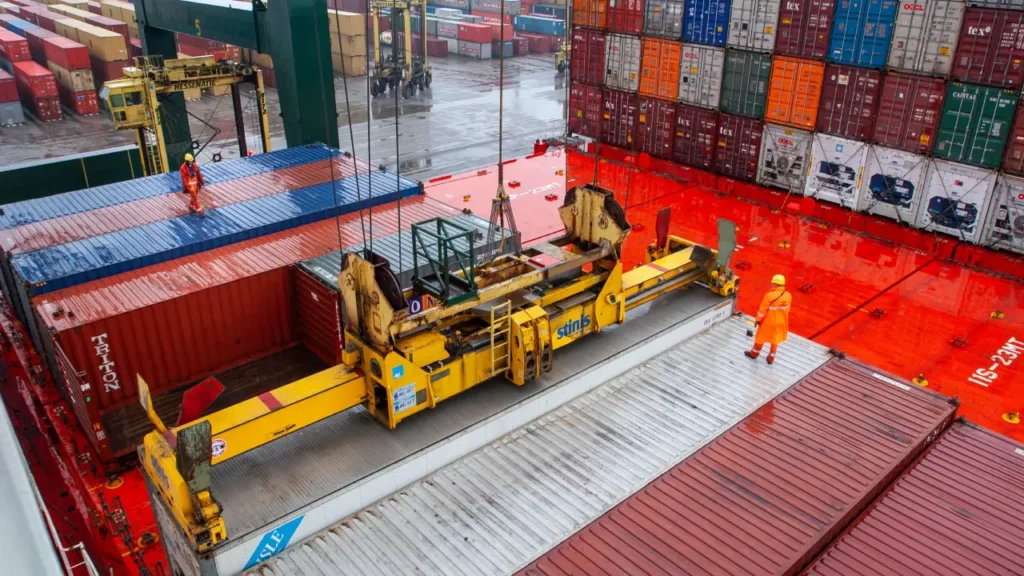
FCL Marine Cargo
Full Container Load (FCL) shipping is suitable when a shipper uses an entire container for one shipment.
FCL cargo can move through Georgia as part of routes between Asia, Europe, and Central Asia.
Sofmar coordinates the relevant stages of transportation and can combine maritime shipping with rail or road freight after the cargo reaches Georgia.
LCL Marine Cargo
Less-than-Container Load (LCL) shipping allows cargo that does not require a full container to be transported together with other shipments.
LCL can be suitable for smaller commercial shipments where using an entire container would not be practical.
The logistics process may include consolidation, sea transportation, handling in Georgia, and onward delivery to the final destination.
Multimodal Freight Through Georgia
Marine cargo through Georgia can be organized as a multimodal shipment using several transportation modes.
For example:
Sea + Road
Sea + Rail + Road
Multimodal transportation can connect maritime services with inland destinations that are not directly accessible by sea.
The appropriate combination depends on the cargo, route, delivery requirements, and available transport capacity.
Marine Cargo From Asia to Europe Through Georgia
Asia-Europe transportation through Georgia can combine maritime and inland freight services.
Cargo can arrive at a Georgian Black Sea port and then continue toward European destinations by rail or road.
A possible configuration is:
Asia → Black Sea → Georgia → Rail/Road → Europe
This route can be considered for shipments from Asian manufacturing and trading centers to European markets where a combination of maritime and inland transportation is required.
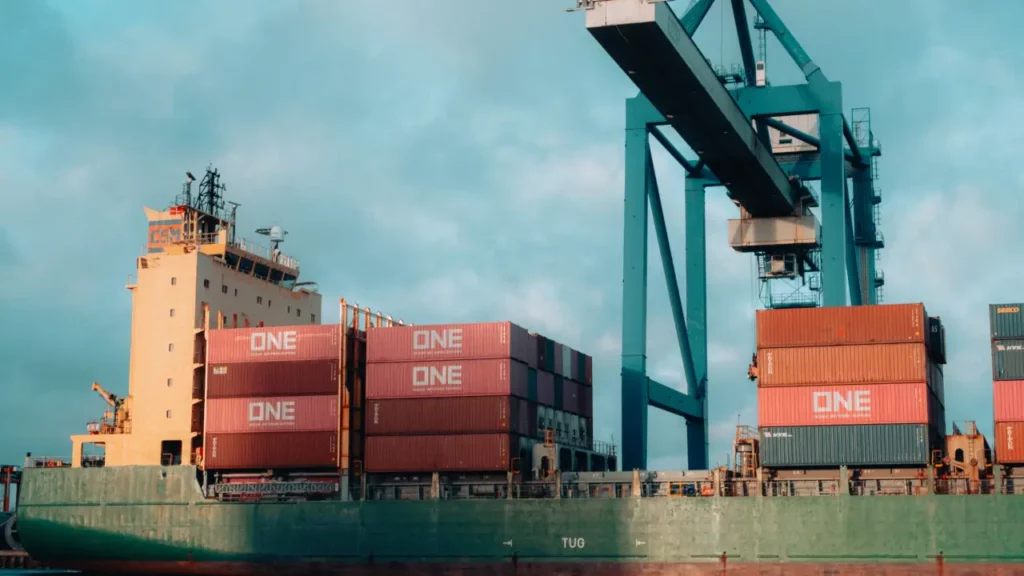
Marine Cargo From Asia to Central Asia Through Georgia
Cargo from Asian origins can also be transported through Georgia toward Central Asian destinations.
The route can combine sea freight with rail and road transportation:
Asia → Sea Freight → Georgia → Rail/Road → Central Asia
This configuration allows international maritime transportation to be connected with inland markets such as Kazakhstan, Uzbekistan, Kyrgyzstan, Tajikistan, and Turkmenistan.
Central Asia to Europe Through Georgia
Georgia can also be used as part of an export route from Central Asia toward European markets.
Cargo can move westward through Central Asian and Caucasus transport networks before continuing through Georgia toward the Black Sea and Europe.
A typical configuration can include:
Central Asia → Rail/Road → Georgia → Black Sea → Europe
The exact route depends on the origin, destination, cargo type, transport availability, and required logistics configuration.
The Middle Corridor
The Middle Corridor, also known as the Trans-Caspian International Transport Route (TITR), connects transport networks across Central Asia, the Caspian region, the South Caucasus, and Europe.
A typical east-west configuration includes:
China / Central Asia → Kazakhstan → Caspian Sea → Azerbaijan → Georgia → Europe
The corridor combines several transportation modes, including rail, road, Caspian Sea shipping, ferry services, and Black Sea maritime transportation.
Marine cargo through Georgia can therefore form part of a broader multimodal route connecting maritime and inland transportation networks across Eurasia.
The Silk Road and Modern Eurasian Trade
The historical Silk Road was not a single road but a network of trade routes connecting regions of Asia, the Middle East, and Europe.
Modern transportation corridors use some of the same broad geographic connections while relying on modern ports, railways, highways, container terminals, and logistics infrastructure.
The Middle Corridor is one example of a contemporary Eurasian transportation network connecting Central Asia and Europe through the Caspian Sea and the South Caucasus.
Georgia occupies a geographic position within this wider network, linking Black Sea maritime transportation with inland routes toward the Caucasus, Central Asia, and Europe.
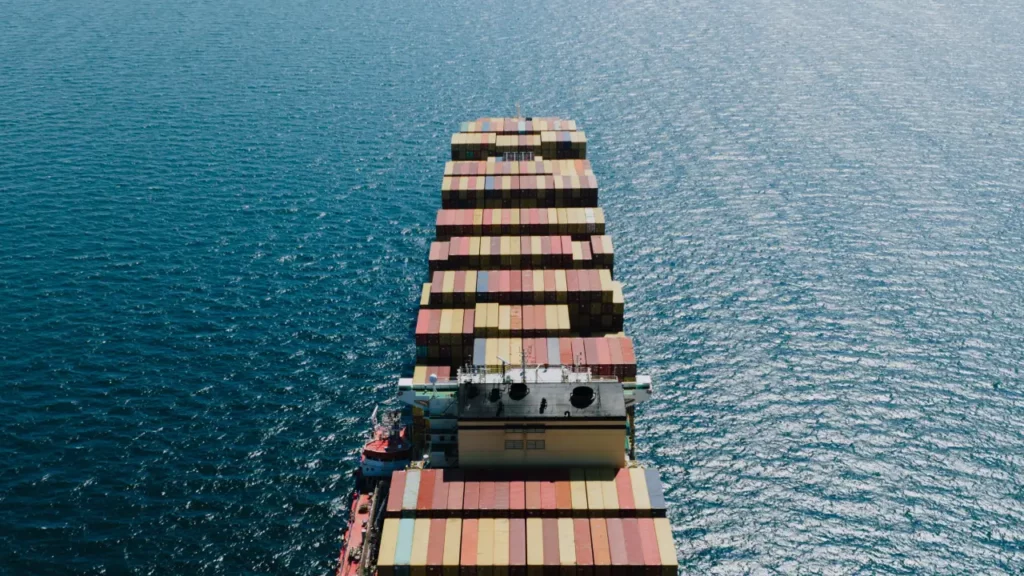
Marine Cargo and the Middle Corridor
Marine cargo can be incorporated into Middle Corridor logistics in several ways.
For example, cargo can move from Central Asia through Kazakhstan and the Caspian Sea toward Azerbaijan and Georgia before continuing by Black Sea maritime transport or inland routes toward Europe.
Another configuration can use Georgian ports as the connection between maritime transportation and European rail or road networks.
The optimal configuration depends on the cargo origin, final destination, transport mode, available services, and logistics requirements.
Transit Cargo Through Georgia
Georgia can be used as a transit point for international cargo that is not intended for the Georgian domestic market.
Transit cargo may arrive at a Georgian Black Sea port and continue toward another country by road or rail.
Sofmar can coordinate the transportation stages required for international transit shipments, including port handling, documentation, customs coordination, and onward transportation.
Customs and Transit Coordination
International marine cargo requires coordination between transportation, documentation, and customs procedures.
Depending on the route and cargo, logistics coordination can involve:
- Commercial invoices
- Packing lists
- Bills of lading
- Certificates and cargo documents
- Customs documentation
- Transit procedures
- Transport documents
- Delivery instructions
Sofmar coordinates the logistics process between the relevant parties and transportation stages.
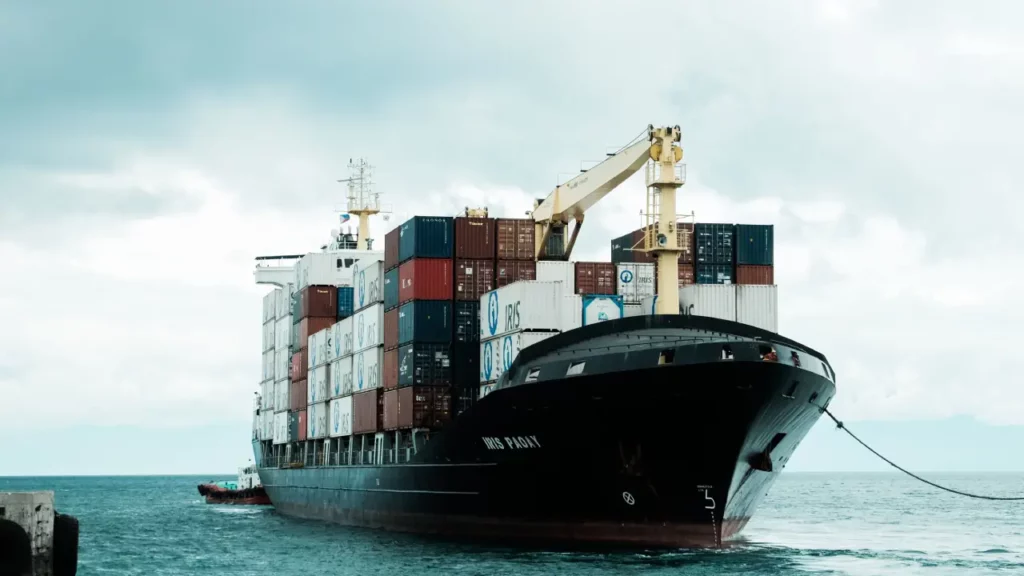
Marine Cargo Georgia for Importers and Exporters
Marine Cargo Georgia can be relevant to businesses that need to move commercial cargo through Georgia as part of international supply chains.
Typical customers include:
- Importers
- Exporters
- Manufacturers
- Distributors
- Trading companies
- Industrial businesses
- International suppliers
Cargo can be transported between Asia, Georgia, Europe, and Central Asia using combinations of sea, rail, and road freight.
Marine Cargo for Commercial Supply Chains
Marine cargo is often one part of a larger international supply chain.
A shipment may involve several stages:
Supplier → Inland Transport → Port → Sea Freight → Georgian Port → Rail/Road → Distribution Center
For international businesses, coordinating these stages is important for maintaining visibility and ensuring that cargo moves between different transport providers and logistics locations.
Sofmar coordinates these transportation stages as a freight forwarding partner in Georgia.
Marine Cargo Georgia — Sea Freight Through Georgia
Sofmar coordinates marine cargo and multimodal freight through Georgia for international shipments between Asia, Europe, and Central Asia.
By combining sea freight through Georgian Black Sea ports with road and rail transportation, we can organize transportation routes for commercial cargo moving across Eurasian markets.
For a shipment quotation, provide the cargo origin, destination, cargo type, weight, volume, and preferred delivery terms.


