News Archives - Sofmar – Forwarding Logistics Shipping Agency Poti

Transportation of Agricultural Products from Kazakhstan to Europe by Rail and Sea via Georgia and Varna Ports from $110 per Ton

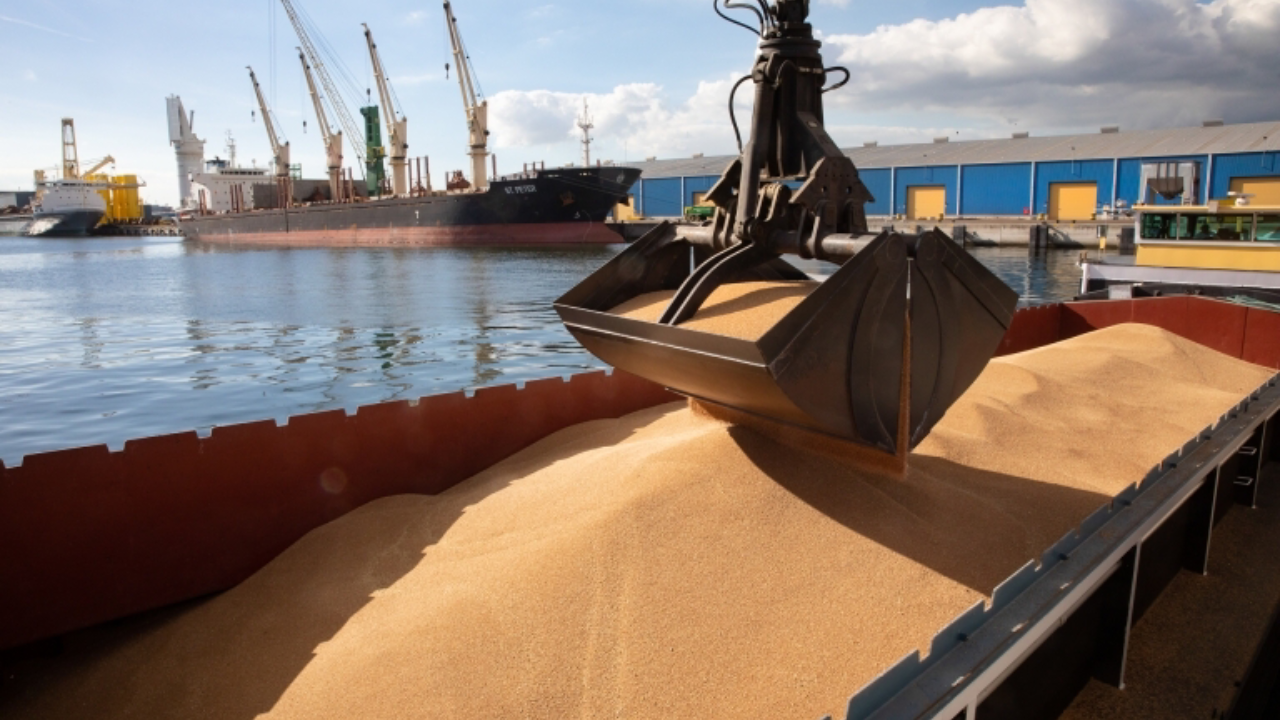
Transportation of agricultural products from Kazakhstan to Europe is one of the most important directions in international agro-logistics. Kazakhstan is a major exporter of grain, oilseeds and other agricultural commodities, while European markets demonstrate stable demand and high purchasing capacity. Efficient logistics is a critical factor for maintaining competitiveness, export margins and delivery reliability.

One of the most effective solutions for agricultural exports is a multimodal transportation scheme combining railway and sea transport via Georgia and the Black Sea. This route provides a balance between cost efficiency, predictable transit times and logistical stability. The cost of transportation along this corridor starts from $110 per ton, making it one of the most competitive options for large-volume agricultural shipments.

Transportation of Agricultural Products from Kazakhstan to Europe


Multimodal Logistics from Kazakhstan to Europe by Rail and Sea

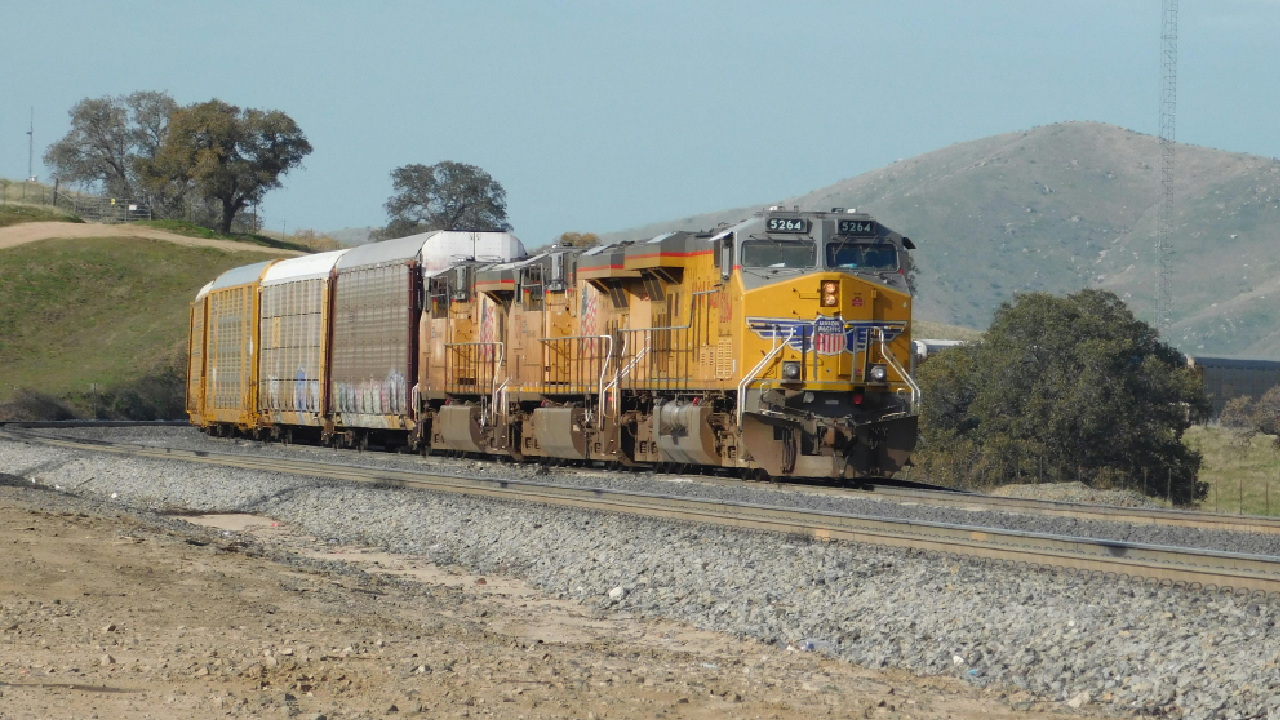
Multimodal transportation involves the use of multiple modes of transport within a single logistics chain. For agricultural cargo moving from Kazakhstan to Europe, the optimal solution is a rail-to-sea model. Rail transport is used for long-distance inland movement from Kazakhstan to the Black Sea coast, followed by maritime delivery to European ports.

This logistics model is particularly suitable for bulk agricultural products, where transportation cost per ton plays a decisive role. Rail transport ensures high capacity and stable schedules, while sea transport allows efficient cross-border delivery to the European Union.

Multimodal logistics provides exporters with predictable costs, flexibility in routing, and the ability to move large shipment volumes without dependency on a single transport corridor.


Logistics Route via Georgia and Poti Port

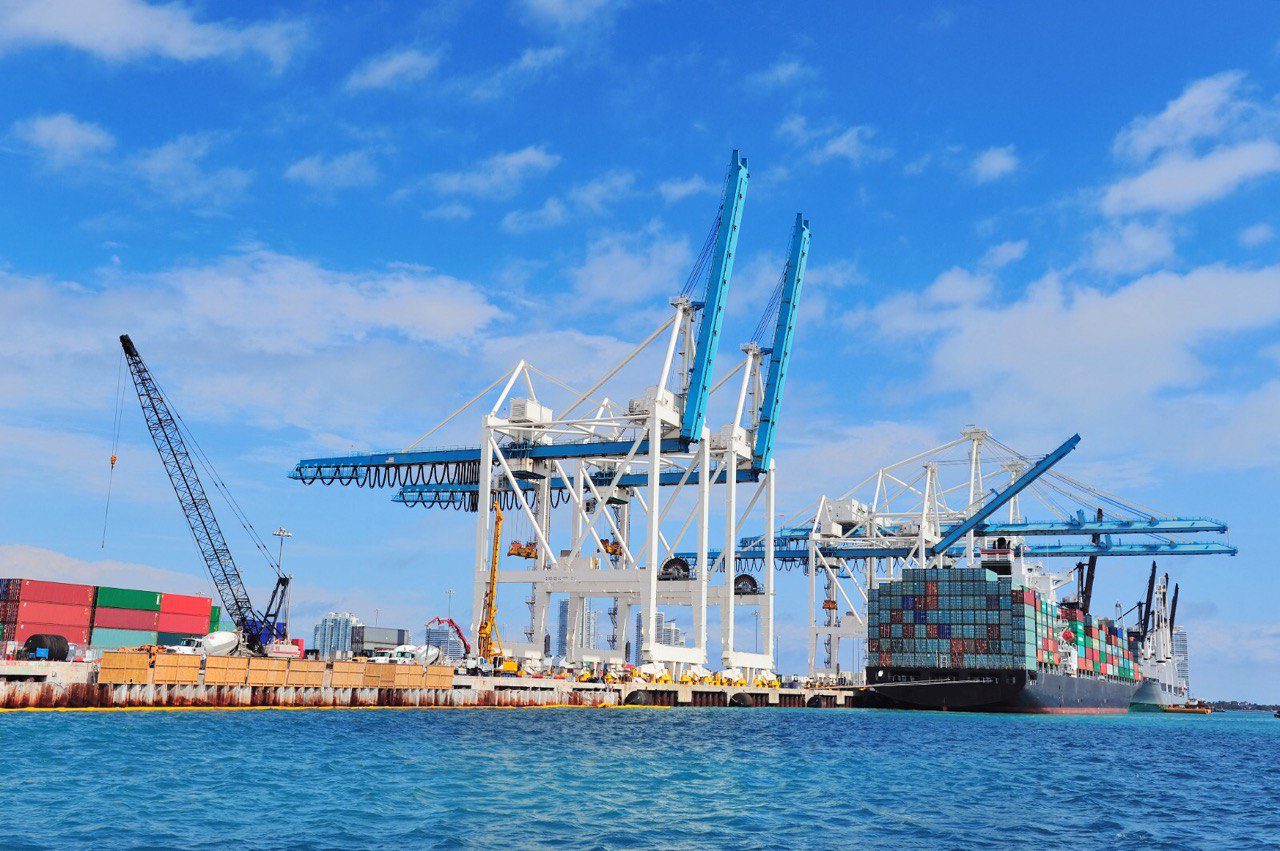
Georgia serves as a strategic transit country connecting Central Asia with Europe. A key logistics hub on this route is Poti Port, located on the eastern coast of the Black Sea. Poti Port plays a crucial role in linking railway infrastructure from Kazakhstan with maritime routes to European destinations.

Agricultural cargo is transported by rail from Kazakhstan to Georgia, where it is transshipped at Poti Port from rail wagons to sea vessels. The port infrastructure supports bulk agricultural commodities and enables efficient handling of large shipment volumes.

The use of Poti Port allows exporters to reduce transit risks, optimize transfer operations and ensure consistent export flows to European markets.
Transportation of Agricultural Products from Kazakhstan to Europe


Sea Transportation to Europe via Varna Ports

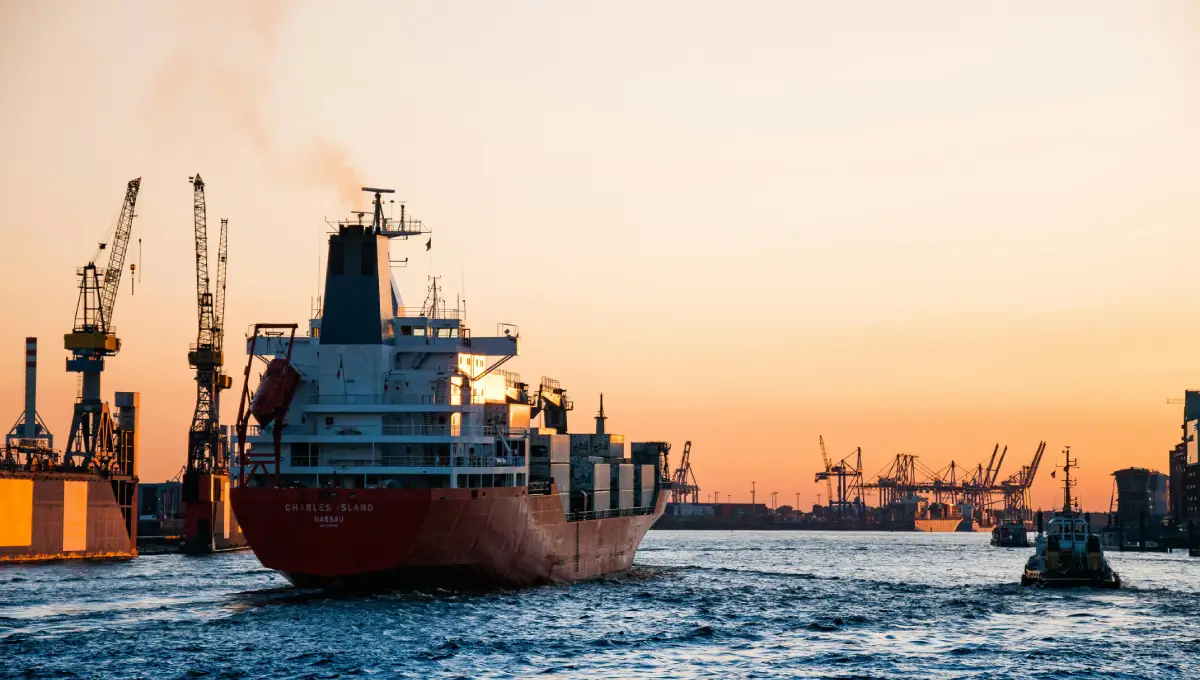
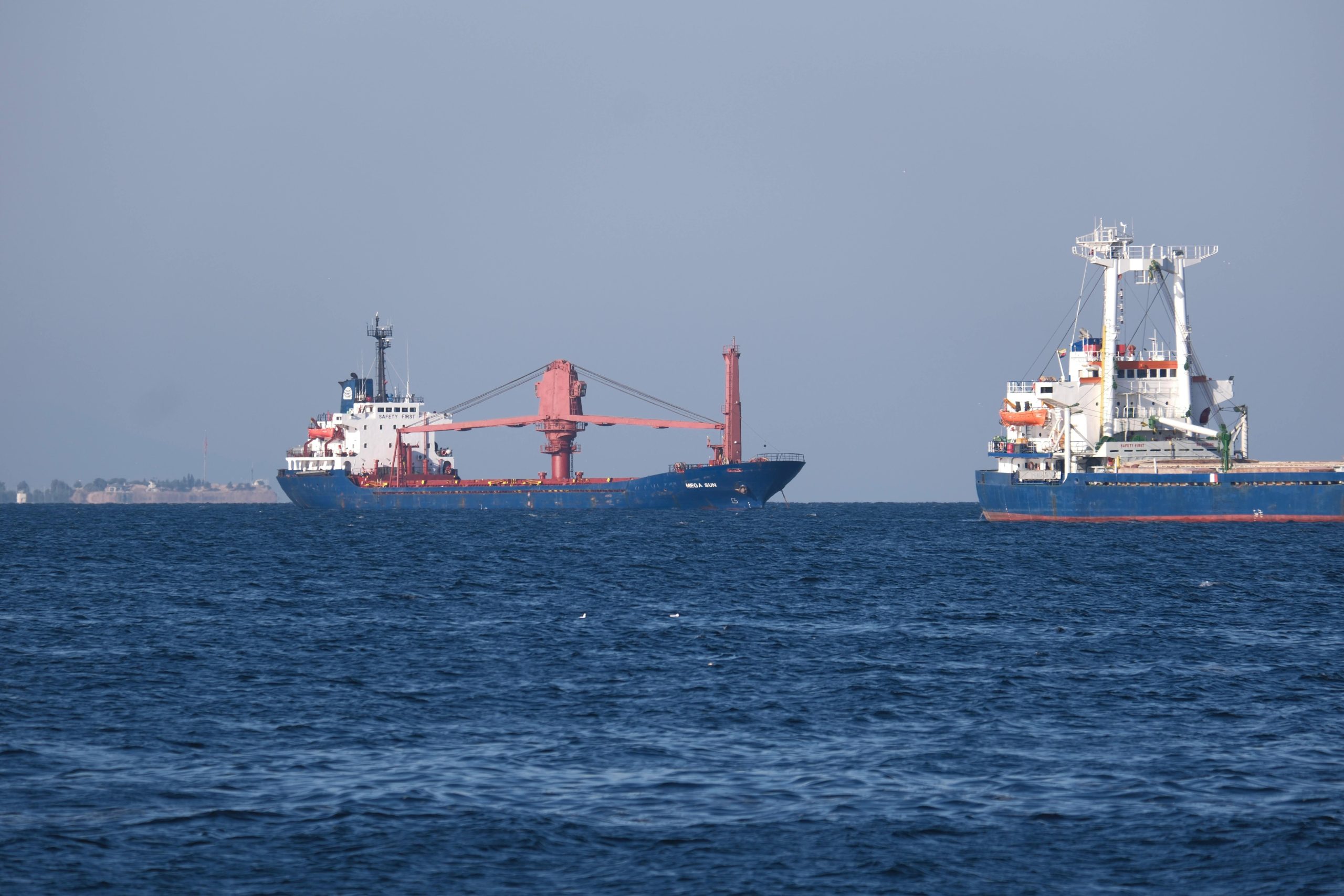
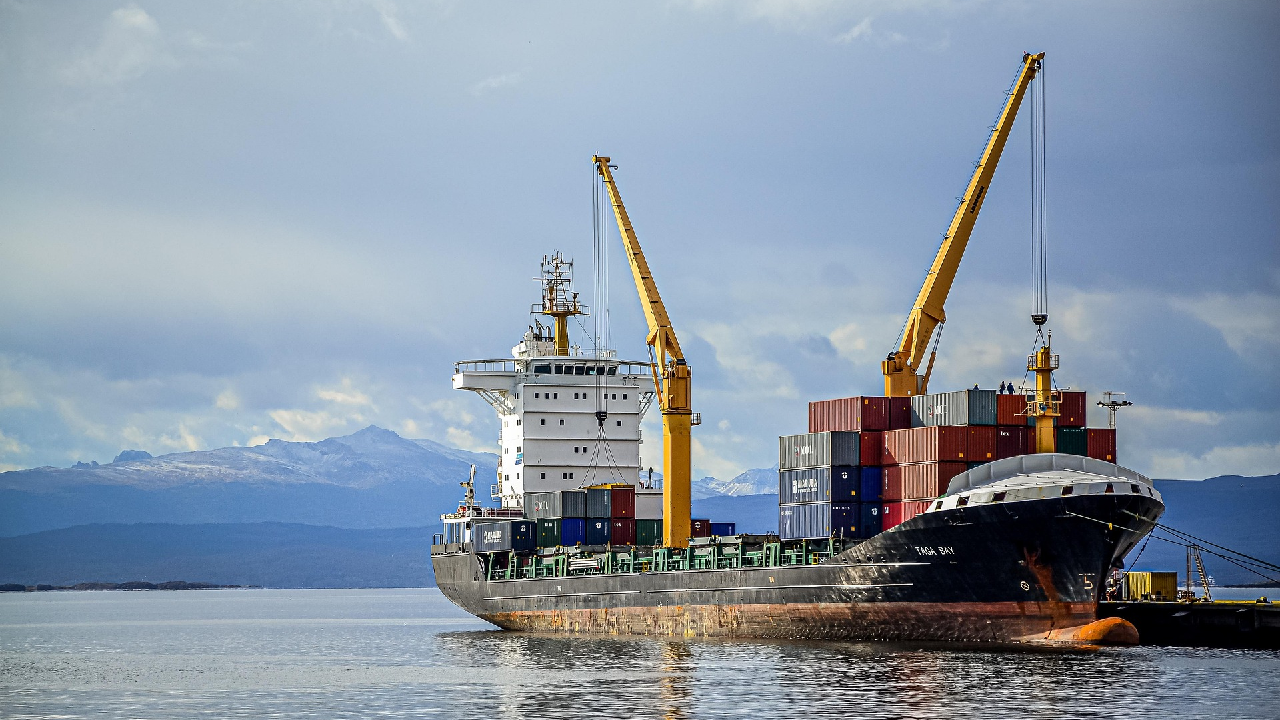
After transshipment at Poti Port, agricultural products are delivered by sea across the Black Sea to European ports. One of the primary destinations is Varna Port in Bulgaria, which serves as an important entry point into the European Union.

Varna ports offer direct access to EU logistics infrastructure and enable further distribution of cargo throughout Central, Eastern and Southern Europe. From Varna, agricultural products can be efficiently delivered by rail or road to final destinations across the European Union.

Sea transportation to Varna provides favorable transit times, stable maritime schedules and optimized logistics costs for exporters targeting EU markets.


Cost of Agricultural Cargo Transportation from Kazakhstan to Europe

One of the key advantages of this logistics corridor is its competitive pricing. The cost of transporting agricultural products from Kazakhstan to Europe via Georgia, Poti Port and Varna ports starts from $110 per ton.

This base rate applies to standard multimodal transportation conditions and allows exporters to accurately forecast logistics expenses. Final pricing may vary depending on cargo type, shipment volume, seasonal demand and specific European destination ports.

A transportation cost starting from $110 per ton makes this route economically attractive for grain exporters, agricultural traders and large agribusiness companies focused on long-term supply contracts with European buyers.
Transportation of Agricultural Products from Kazakhstan to Europe


Advantages of the Kazakhstan Europe Route via Poti and Varna

Transportation of agricultural products via Georgia and Varna ports offers exporters several strategic advantages. These include cost efficiency starting from $110 per ton, stable transit conditions, high throughput capacity and access to EU logistics infrastructure.

The route reduces dependency on congested corridors and allows exporters to diversify logistics risks. It also supports scalable shipment volumes and long-term export planning.

For European buyers, this route provides reliable access to agricultural commodities from Kazakhstan with predictable delivery timelines and competitive pricing.

Sofmar can act as the logistics operator for agricultural cargo transportation from Kazakhstan to Europe within this multimodal route. The company coordinates rail and sea transport, manages transit through Georgia, and oversees cargo handling at Poti Port with onward delivery to Varna ports, providing exporters with a single, structured logistics solution.
Cost-effective rail freight to Europe via Georgia

Cost-effective rail freight to Europe is a proven logistics solution for companies transporting bulk, industrial, and heavy cargo to European Union countries. Rail transport offers a balanced combination of price stability, predictable transit times, and high capacity, making it one of the most cost-effective freight options for Europe-bound shipments. One of the most efficient routes today is cost-effective rail freight to Europe via Georgia, which connects the Caucasus and Asian regions with the European rail network.

Cost-effective rail freight to Europe via Georgia is widely used for commercial B2B shipments where logistics cost control and delivery reliability are essential. This route allows cargo owners to avoid congested road corridors and long maritime transit times while maintaining a competitive and transparent transportation budget. With a fixed rail freight rate starting from 110 USD per ton, rail freight to Europe through Georgia is suitable for regular and contract-based cargo flows.


Why choose cost-effective rail freight to Europe

Cost-effective rail freight to Europe is chosen by exporters and importers who require stable transportation costs and predictable delivery schedules. Compared to road transport, rail freight provides a lower cost per ton, especially for heavy and dense cargo. Compared to sea freight, rail transport offers faster delivery to inland European destinations.

Key advantages of cost-effective rail freight to Europe:

  • fixed and predictable pricing per ton

  • stable transit times for commercial planning

  • high load capacity for bulk and industrial cargo

  • reduced exposure to fuel price volatility

  • lower risk of seasonal price fluctuations

For companies shipping large volumes, rail freight to Europe significantly reduces total logistics costs over time.

Cost-effective rail freight to Europe


Rail freight route to Europe via Georgia

Cost-effective rail freight to Europe via Georgia is based on a well-established transit corridor linking Asia, the Caucasus, and Europe. The route combines modern railway infrastructure with flexible multimodal connections where required.

Standard rail freight route:

Origin country → Rail transport to Georgia → Rail transit across Georgia →

Black Sea rail ferry or direct rail connection → European rail network → Final destination

Depending on the destination country, the shipment can follow a fully rail-based route or a rail–sea–rail multimodal solution. This flexibility ensures cost-effective rail freight to Europe for different cargo types and delivery locations.


European countries served by rail freight via Georgia

Cost-effective rail freight to Europe via Georgia covers a wide range of European destinations, including:

  • Germany

  • Italy

  • France

  • Poland

  • Austria

  • Hungary

  • Czech Republic

  • Romania

  • Bulgaria

  • Netherlands

From these countries, cargo can be further distributed throughout the European Union using regional rail or road networks.

Cost-effective rail freight to Europe


Rail freight transit times to Europe

Cost-effective rail freight to Europe via Georgia provides predictable transit times suitable for regular commercial shipments.


Destination country Transit time (days) Transport format
Romania 9–11 Rail + Black Sea
Bulgaria 10–12 Rail + Black Sea
Hungary 12–14 Rail transit
Austria 13–15 Rail transit
Poland 14–16 Rail transit
Germany 15–18 Rail transit
Italy 16–19 Rail + regional delivery
France 17–20 Rail + regional delivery
Netherlands 18–21 Rail + EU logistics hub


Transit times may vary depending on terminal handling and final delivery location but remain stable for planned shipments.


Rail freight pricing: from 110 USD per ton

Cost-effective rail freight to Europe via Georgia is available at a fixed rate starting from 110 USD per ton. This pricing model is designed for companies transporting large volumes and seeking long-term cost predictability.

Rail freight pricing from 110 USD per ton is suitable for:

  • bulk cargo

  • raw materials

  • industrial goods

  • construction materials

  • palletized shipments

  • containerized cargo (FCL and LCL)

Fixed rail tariffs allow accurate budgeting and reduce unexpected transportation costs.


Cargo types suitable for rail freight to Europe

Cost-effective rail freight to Europe is ideal for cargo where weight efficiency and cost optimization are more important than ultra-fast delivery.

Typical cargo categories include:

  • metals and metal products

  • mineral resources

  • agricultural products

  • industrial equipment

  • consumer goods in containers

  • heavy and dense cargo

Rail freight is not recommended for urgent shipments requiring delivery within a few days.

Cost-effective rail freight to Europe


Who uses cost-effective rail freight to Europe

Cost-effective rail freight to Europe via Georgia is commonly used by:

  • manufacturing companies

  • exporters and importers

  • raw material traders

  • distributors supplying EU markets

  • logistics and freight forwarding companies

Businesses with regular shipment volumes benefit the most from fixed rail tariffs and predictable transit schedules.


Economic benefits of rail freight via Georgia

Using cost-effective rail freight to Europe through Georgia allows companies to:

  • reduce overall logistics costs

  • stabilize supply chains

  • minimize dependency on road corridors

  • secure long-term transportation budgets

  • maintain consistent delivery performance

For contract-based logistics, rail freight provides a strategic advantage.


Cost-effective rail freight to Europe via Georgia is a reliable and economically justified transportation solution for bulk and industrial cargo. With fixed pricing from 110 USD per ton, predictable transit times of 9–21 days, and access to major European markets, rail freight to Europe via Georgia remains one of the most cost-effective rail logistics options available today.

Alternative Routes to Europe Freight

Freight transportation to Europe has become increasingly sensitive to disruptions. Congestion at major ports, geopolitical uncertainty, regulatory changes, and overloaded traditional corridors have forced many companies to rethink how they move cargo. As a result, alternative routes to Europe freight are no longer considered secondary options — they are becoming a standard part of logistics planning.

Alternative routes focus on flexibility, risk diversification, and operational control rather than relying on a single transit corridor.


What Are Alternative Routes to Europe Freight?

Alternative routes to Europe freight are logistics solutions designed to complement or bypass traditional transport corridors such as the Suez Canal or Northern European hubs. These routes typically use a multimodal structure, combining rail, sea, road, and ferry transport to maintain cargo flow even under unstable conditions.

The key objective of alternative routing is not always the shortest transit time. Instead, the priority is:

  • predictable delivery schedules

  • reduced exposure to geopolitical risks

  • diversified transport corridors

  • the ability to reroute shipments when conditions change

In many cases, reliability is more valuable than speed.

Alternative Routes to Europe Freight


Why Alternative Routes Are Gaining Importance

Recent years have shown how vulnerable global supply chains can be when they depend on a limited number of routes. Disruptions in one corridor can delay cargo for weeks and significantly increase costs.

Alternative routes help companies:

  • reduce dependency on a single region or transit country

  • avoid congestion at major European ports

  • maintain continuity during regulatory or political changes

  • stabilize logistics budgets

For businesses shipping to Europe, flexibility has become a strategic necessity.


The Middle Corridor as an Alternative Route to Europe

One of the most important alternative routes to Europe freight is the Middle Corridor, also known as the Trans-Caspian International Transport Route.

This corridor connects Asia and Central Asia with Europe through a combination of:

  • rail transport across Central Asia

  • Caspian Sea crossings

  • land transit through the Caucasus

  • Black Sea shipping to European ports

The route provides access to Southeast, Central, and Eastern European markets while avoiding heavily congested traditional corridors.


Advantages of Alternative Routes via the Caucasus and the Black Sea

Alternative routes through the Caucasus and the Black Sea offer several practical advantages.

They allow logistics chains to remain operational even when traditional routes are disrupted. Multimodal transport enables route optimization based on cargo type, urgency, and cost considerations.

These routes also provide access to multiple European ports, supporting flexible distribution strategies and reducing pressure on major Western European hubs.

Customs and transit frameworks along these corridors are well-adapted for international freight movement, supporting efficient cross-border operations.

Alternative Routes to Europe Freight


Cargo Types Suitable for Alternative Routes to Europe

Alternative routes to Europe freight are especially suitable for:

  • containerized shipments

  • industrial and manufacturing equipment

  • automotive components

  • consumer goods

  • project and oversized cargo

  • shipments requiring stable and predictable delivery times

For high-value or time-critical cargo, route reliability often outweighs minimal transit time.


Estimated Transit Times from Asia to Europe via Georgia

Below are indicative transit times for multimodal freight routes passing through Georgia (Caucasus corridor and Black Sea ports). Actual transit times may vary depending on cargo type, seasonality, port congestion, and border procedures.


Origin Country / Region (Asia) Destination Region (Europe) Main Route via Georgia Estimated Transit Time
China (Central / Western) Eastern Europe Rail + Caspian Sea + Caucasus (Georgia) + Black Sea 25–35 days
China (Central / Western) Southern Europe Rail + Caspian Sea + Caucasus (Georgia) + Black Sea 30–40 days
Kazakhstan Eastern Europe Rail + Caspian Sea + Caucasus (Georgia) + Black Sea 20–30 days
Uzbekistan Eastern Europe Rail + Caspian Sea + Caucasus (Georgia) + Black Sea 22–32 days
Central Asia (general) Central Europe Multimodal: Rail + Caspian Sea + Georgia + Black Sea + Road/Rail in EU 28–40 days


Managing the Complexity of Alternative Freight Routes

Multimodal routes involve coordination between different transport modes and transit countries. This adds complexity, but it can be managed effectively through proper planning and coordination.

Professional logistics management includes:

  • integrated route design

  • centralized shipment tracking

  • coordination with regional operators

  • transparent communication throughout the transport process

When managed correctly, alternative routes become a source of resilience rather than complication.


Alternative Routes as a Long-Term Logistics Strategy

Alternative routes to Europe freight are no longer temporary solutions used only during crises. They are becoming a permanent element of modern logistics strategies.

Diversified transport corridors allow businesses to adapt quickly to changing conditions, protect supply chains from disruptions, and maintain stable access to European markets.

Logistics providers with strong regional expertise — including operators such as Sofmar — support these strategies by developing flexible multimodal solutions tailored to real operating conditions rather than theoretical routes.

Sofmar & APM Terminals Poti: Strategic Cooperation in the Middle Corridor

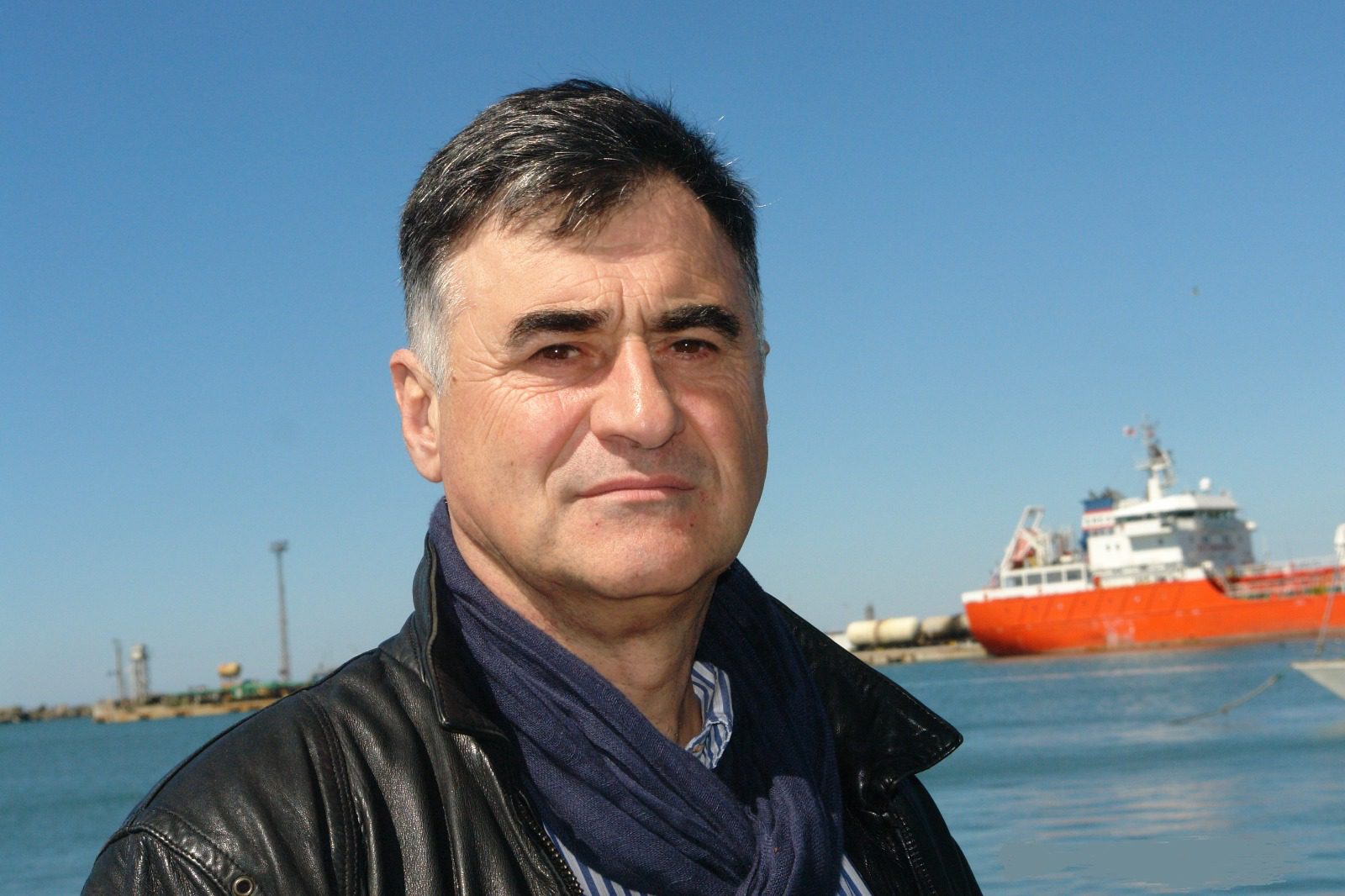
At the Black Sea Ports and Logistics International Conference held in Shekvetili, hosted by APM Terminals Poti, Vakhtang Alania, the founder of the maritime agency Sofmar, spoke about a strategically significant project initiated in collaboration with APM Terminals Poti.

Earlier this year, under Sofmar’s organization, a railway shipment from Tajikistan was received at the APM Terminals container yard. Within just one month, 15,000 tons of copper concentrate in big bags were cross-docked into containers by the terminal for future export.

This achievement highlights, first and foremost, the trust and strong partnership between the two companies while also emphasizing the key role of the Middle Corridor product.

Wishing continued success to Sofmar and APM Terminals Poti in our joint endeavors. We are proud to be part of this story!

“Sofmar”(Forwarding & Logistics) team wishes you Happy New Year

May this year bring you success, happiness, and prosperity. Thank you for choosing us as your trusted partner in logistics and forwarding. Here’s to new achievements and exciting journeys in the year ahead! Subscribe to our channel to stay updated on the latest news and services. Let’s make 2025 amazing together!


ინტერვიუ შპს „სოფმარ“-ის დირექტორთან ბატონ ვახტანგ ალანიასთან

2024 წელი საკმაოდ საინტერესო წელი იყო, თავისი სირთულეებით, მიღწევებით, მოლოდინებით. თქვენ როგორ შეაფასებდით?

-ზოგადად 2024 წელი იყო კარგი წელი, დაწყება ცოტა რთული იყო, მაგრამ ჩვენმა ცოდნამ და გამოცდილებამ თავისი გააკეთა და საბოლოო ჯამში 2024 წელი დასრულდა წარმატებით. ავიღეთ დიდი,საინტერესო პროექტი,რომლის პროფესიონალურად და წარმატებით შესრულებამ დაარწმუნა ჩვენი დამკვეთები,რომ „სოფმარ“ საიმედო გუნდია და ვაგრძელებთ თანამშრომლობას. ველოდებით, რომ 2025 წელიც იქნება კარგი და წარმატებული, უფრო უკეთესი ვიდრე წინა,უნდა ვიაროთ წინ და წინ.

მიმართულებები რომელიც ჩვენ გვაქვს: საავტომობილო (Sofmar Forwarding&Logistics Poti,Forwarding &Logistics Batumi, Forwarding &Logistics Yerevan, Forwarding&Logistics Baku) სარკინიგზო,საკონტეინერო (Sofmar Forwarding&Logistics), არაგაბარიტული ტვირთი, გემების აგენტირება,.ყველაზე უფრო წარმატებული ამ ჩამოთვლილთაგან რომელი იყო? ახლა რომელს უფრო დაეყრდნობოდა სოფმარი მის განვითარებაში?

– ასე გამოკვეთილად ვერ ვიტყვი, რომელი იყო უკეთესი. ჩვენ ვართ უფრო მეტად ექსპედიტორები,შესაბამისად უფრო მეტ ყურადღებას ვანიჭებთ მთლიანი ჯაჭვის შეკვრას,რომ ტვირთი მივაწოდოთ ეფექტურად კარიდან კარამდე. ეს რთული,მაგრამ საინტერესო სამუშაოა, ფინანსურადაც უფრო საინტერესო სამუშაოა. ჩვენ გარდა მულტიმოდალური გადაზიდვების სრული ჯაჭვისა, კონკრეტულ რაღაც მონაკვეთზე, კონკრეტულ სატრანსპორტო ოპერაციასაც ვასრულებთ, მაგრამ აქ წარმატება და დიდი მიღწევები ჩვენ არ გვაქვს, იმიტომ რომ ძირითადად ჩვენი სამუშო არის საექსპედიტორო სამუშაო.ჩვენ ვართ ორგანიზატორები გადაზიდვის და ამავდროულად ვართ გადამზიდველებიც ჩვენი სატრანსპორტო საშუალებებით.ჩვენი საქმიანობის 90 % ვუთმობთ ექსპედიტორობას და მე შემიძლია ვთქვა, რომ ამ მიმართულებით იყო წარმატებული წელი, კარგად სრულდება 2024 და ველოდებით რომ 2025 იქნება ამაზე უკეთესი.

ევროპის შუაგულში ომმა გარდა იმისა,რომ უზარმაზარი ტრაგედიაა,რომლის გააზრებას დრო დასჭირდება,სერიოზულად შეცვალა ბიზნესის სახე,შეცვლილია გადაზიდვის სქემები. ეს ყველაფერი როგორ აისახა ჩვენს კომპანიაზე?

-რა თქმა უნდა ეს ძალიან დიდი და რთული თემაა, დღესაც არის უამრავი გამოწვევა, ამ სფეროში დღესაც არ არის დასრულებული სქემების ჩამოყალიბება, დღესაც ვერ ვახერხებთ ჩვენ იმ სატრანსპორტო რგოლების შენარჩუნებას. უკრაინა არის ძალიან დიდი ქვეყანა , ძლიერი ეკონომიკური პოტენციალი აქვს. შეგვიძლია ცალსახად ვთქვათ რომ ძალიან დიდი გავლენა მოახდინა ცხოვრების ნებისმიერ სფეროზე პოლიტიკურმა და ომის მოვლენებმა, რომელიც განვითარდა უკრაინის ტერიტორიაზე, შეიცვალა მთლიანად შუა აზიის დერეფნის მიმართულება. თუ ომამდე რუსეთი იყო ამ შუა აზიის დერეფნის ძირითადი ნაწილი, ომის დაწყების შემდეგ,საერთაშორისო სანქციების და შეზღუდვების დაწესების მერე ძალიან

შეიცვალა ტვირთების სატრანსპორტო მიმართულებები. პრაქტიკულად დღეს რუსეთს და შუა აზიას დარჩა ერთადერთი დერეფანი, ეს არის კავკასიის , საქართველოს გავლით დერეფანი შავ ზღვაზე. მსოფლიოს ეკონომიკასთან ურთიერთობა ხდება ფოთის და ბათუმის პორტების მეშვეობით.ამას მოჰყვა ბევრი დადებითი და უარყოფითი რამ. უარყოფითი იყოს ის,რომ საქართველო და ჩვენი პორტები მაინცდამაინც ამ დიდი სამუშაოსთვის მზად არ ვიყავით. ეს გამოწვევები დღესაც არის.პრობლემებია ფასებთან დაკავშირებით, თუ შუა აზიის ქვეყნებს უწევდა ერთი ქვეყნის(რუსეთის) გამოყენებით გასვლა ევროპაში, ამ რგოლს დაემატა კასპიის ზღვა, აზერბაიჯანი, საქართველოს ტერიტორია, ფოთის პორტი. ანაკლიის პორტი რომ ყოფილიყო გაცილებით მეტ ტვირთს დავამუშავებდით ფოთის და ბათუმის პორტებთან ერთად. თუ როგორ გადავლახეთ ყველა გამოწვევა როგორ შევძელით საკითხების მოგვარება, კლიენტებისთვის ტვირთების დამუშავება და გადაზიდვა,თუ როგორ ვახერხებთ საკმაოდ დიდი მოცულობის ტვირთების მოზიდვას – ჩვენ შეგვიძლია ვთქვათ რომ ეს წელი დასრულდა კარგად. მომავალი წლისთვისაც მუშაობის იგივე მოცულობა შენარჩუნდება და ვიმუშავებთ უფრო მეტად. იმედია წავალთ წინ.

ჩინეთის სარკინიგზო ხაზი?

-ჩინეთის სარკინიგზო ხაზი დაიტვირთა წითელი ზონის გამო,რომელიც შეიქმნა წითელ ზღვაში გემებზე ჰუსიტების თავდასხმების გამო. რის გამოც შეიცვალა,გაგრძელდა და გართულდა მარშრუტი-აფრიკის გავლით შედიან გემები ჩინეთის და ინდოეთის მიმართულებით. ტრანსკასპიური საერთაშორისო სატრანსპორტო მარშრუტით (TITR) ჩინეთიდან გაგზავნილი საკონტეინერო მატარებელი ალტერნატიული და აქტუალური გახდა, მაგრამ თუ საკითხი მოგვარდება, ის მართალია დარჩება როგორც ალტერნატიური გზა, მაგრამ თავის ფინანსურ მიმზიდველობას დაკარგავს. რკინიგზა არის გაცილებით უფრო ძვირი, ვიდრე საზღვაო გადაზიდვა.

რას უსურვებთ სოფმარს?

-სოფმარს ვუსურვებ კარგ მუშაობას, თანამშრომლებს ვუსურვებ ჯანმრთლობას, ბედნიერებას ოჯახში, პირად ცხოვრებაში და წარმატებებს ვუსურვებ ყველას!

CMR, სარკინიგზო ზედნადები და BILL OF LADING

რა საბუთები ფორმდება მულტიმოდალური გადაზიდვის დროს
(SOFMAR-Forwarding & Logistics ) და რას ნიშნავს ეს საბუთი?
სატრანსპორტო საბუთი ამ შემთხვევაში არ არის მხოლოდ სატრანსპორტო საბუთი, ის არის იმავდროულად ხელშეკრულება.
სატრანსპორტო გადაზიდვის პირობებში, არის საზღვაო, სახმელეთო, სარკინიგზო გადაზიდვა და ყოველ მათგანს შესაბამისი საბუთი მიყვება.სერვისის მომხმარებელმა უნდა იცოდეს სად,რა ეტაპზე, როგორი საბუთი იქნება გამოწერილი და რას ნიშნავს ეს საბუთი?

კლიენტმა უნდა იცოდეს ყველა გადაზიდვის საბუთის მნიშვნელობა. საბუთი საჭიროა,მაშინ როდესაც ხდება რამე ცუდი გადაზიდვის დროს. როცა ყველაფერი კარგადაა არავინ არ აქცევს არცერთ საბუთს ყურადღებას . როცა რამე მოხდება მაშინ ითხოვს სადაზღვევო კომპანია საბუთებს, მაშინ ითხოვს გადამზიდველი, მაშინ იწყება დავა და ა.შ. მომხმარებელმა რომ თავი იგრძნოს დაცულად, რომ მისი ტვირთი, გადაზიდვა და ფინანსური მხარე დაცულია,აუცილებლად უნდა
იცოდეს ყოველი ტიპის გადაზიდვისთვის შესაბამისი საბუთის მნიშვნელობა,რა მონაცემები და როგორ უნდა ჩაიწეროს იმ საბუთში.
იმ შემთხვევაში, თუ მომავალში რაიმე უსიამოვნო ფაქტი მოხდებაკლიენტი საბუთს გამოიყენებს სწორად და არ იზარალებს. ყველა ცუდი შემთხვევა, რომელიც ხდება სატრანსპორტოში დაკავშირებულია ზარალთან.სწორად შედგენილი საბუთი მისი ფინანასური
უზრულველყოფაა, დაცულია ყველა მხრიდან,ამიტომ ყველამ უნდა იცოდეს თავისი უფლება-მოვალეობები, პასუხისმგებლობა-ვის რა, როდის, რა აკისრია, რომელ გადამზიდველს, რომელ მიმღებს, ტვირთის გამგზავნს, სააგენტოს თუ ექსპედიტორს, ანუ მომხმარებელმა უნდა იცოდეს ვის მიმართოს, როგორ მიმართოს და რა უნდა გააკეთოს რომ მან
ფინანსურად არ იზარალოს.

განვიხილოთ საავტომობილო გადაზიდვის(SOFMAR-Forwarding & Logistics Road freight) საბუთი. საავტომობილო გადაზიდვის დროს იწერება CMR, ეს არის საერთაშორისო კონვენციით დადგენილი საბუთი,რომელიც არის გადაზიდვის ხელშეკრულება, მიმღებ ან გამზავნ სატრანსპორტო საშუალების მეპატრონესთან. სხვა ხელშეკრულების არსებობის დროს პირველი და ყველაზე დიდი უპირატესობა ენიჭება CMR-ს,რომლის მარჯვენა ზედა კუთხეში წერია -თუ არსებობს რამე ხელშეკრულება ამ გადაზიდვასთან დაკავშირებით ყველა ითვლება ბათილად,გარდა თვით CMR-ისა. CMR (SOFMAR-Forwarding & Logistics Road freight) არის ხელშეკრულების დასტური, სადაც წერია გადაზიდვის ყველა პირობა. CMR არის ძალიან მნიშვნელოვანი, ხანდახან არის ასეთი მოთხოვნა, მოდი დავდოთ ხელშეკრულება, კი ჩვენ შეგვიძლია დავდოთ როგორც გადამზიდავმა,მაგრამ უპირატესი იქნება CMR და სხვა ხელშეკრულება იქნება ბათილი. ამ მხრივ დაცულიცაა გადამზიდავი, იმიტომ რომ ხელშეკრულებაში კონკრეტულად მისი ფინანსური პასუხისმგებლობა არის დადგენილი და გადამზიდავმა იცის თუ რა დაეკისრება მას თუ მისი ბრალეულობით რამე დაემართა ტვირთს, ან დაიკარგა ტვირთი, ან თუ დაყაჩაყდა ტვირთი, ან თუ გაფუჭდა ტვირთი. ამიტომ მძღოლმა და მეპატრონემაც იცის რა უნდა გადაიხადოს, მისთვის წინასწარ განსაზღვრულია, ტვირთის მეპატრონემ თუ რა უნდა მოსთხოვოს გადამზიდავს.

CMR (SOFMAR-Forwarding & Logistics Road freight) ეს არის
ძირითადი საბუთი საავტომობილო გადაზიდვის დროს, რომელიც ადასტურებს CMR კონვენციით დადგენილი ხელშეკრულების არსებობას და როდესაც გამოიწერება CMR, გამგზავნი ან მიმღები ხელმძღვანელობს ამ ხელშეკრულებით,ისევე როგორც გადამზიდავიც. CMR-ში იწერება მანქანის ნომერი, მძღოლის მონაცემები, მიმართულება,დატვირთვადაცლის ადგილი. გადამზიდავმა უნდა მიიღოს ტვირთი და იღებს პასუხისმგებლობას იმ ტვირთზე, რომელიც ჩაიბარა დატვირთის ადგილას, რომ იგივე ტვირთი, იგივე მდგომარეობაში ჩააბაროს მიმღებს. თუ რამე მოხდა გზაში, თუ ტვირთი გაფუჭდა, იწყება დავა. შეიძლება
საერთოდ არ დაბრალდეს გადამზიდავს, შეიძლება გადამზიდავის ბრალი არ იყოს, ტვირთი გაფუჭდა სხვა მიზეზით-არ იყო კარგი
შეფუთვა, არ იყო დაცული მანქანა. თუ რამე მოხდა გადაზიდვის დროს,მაგალითად-არ დამაგრდა ტვირთი კარგად, დაზიანდა, ეს
ყველაფერი ეკისრება გამგზავნს, ვინც არის ხელშკრულების მხარე. თუ რამე დაზიანდა, ვთქვათ ტენტი,ან სახურავმა გაატარა წყალი,ან დაზიანდა ტვირთი, ეს უკვე გადამზიდავის და მძღოლის ბრალია.თუ არ იყო გამართული მანქანა, პასუხისმგებლობა არის მანქანის მეპატრონეზე. ვთქვათ დამთავრდა საავტომობილო გადაზიდვა და იწყება სარკინიგზო
გადაზიდვა (SOFMAR-Forwarding&Logistic Railway Freight) , ამ შემთხვევაში აქ საბუთს ჰქვია სარკინიგზო ზედნადები, სადაც იგივე
იწერება: გამგზავნი, მიმღები, დანიშნულების ადგილი, დატვირთის ადგილი, ტვირთის რაოდენობა, წონა, მდგომარეობა და ა.შ. იგივე ფუნქციები აკისრია ზედნადებს. რკინიგზის გადაზიდვის დროს ძალიან დიდი პასუხისმგებლობა ეკისრება გამგზავნს ,თუ როგორ ჩაიტვირთება ტვირთი, როგორ იქნება შეფუთული.გამგზავნმა სწორად უნდა შეარჩიოს და აუცილებლად უნდა შეატყობინოს რკინიგზას, თუ როგორი ვაგონი სჭირდება – დახურული, ღია, თუ რეფი, ეს ყველაფერი გამგზავნის პასუხისმგებლობაა. ვაგონში დატვირთვა, დამაგრება ეხება გამგზავნს. გადამზიდავის პასუხისმგებლობაა არ დაზიანდეს ტვირთი მისი ბრალეულობით, არ დაიკარგოს ტვირთი. სარკინიგზო გადაზიდვის

(SOFMAR-Forwarding&Logistic Railway Freight) დროს მნიშვნელოვანია
რამდენ ხანში დაიტვირთება, დაიცლება ვაგონი, ვინ გადაიხდის ვაგონის მოცდენას, აწონვააა საჭირო და სხვა. ვთქვათ ჩამოვიდა ტვირთი ნავსადგურში, აქაც იგივე პროცედურაა, ჩამოიცალოს ტვირთი, დასაწყობდეს და მერე დაიტვირთოს გემზე, დასაწყობების დროს, სასწყობე მეურნეობა ვისაც ეკუთვნის, ხშირ შემთხვევაში ეს არის საბაჟო ტვირთი და ეს საბაჟო ტერმინალზე უნდას დაიცალოს, სადაც საბაჟო კონტროლი ხორციელდება, ტერმინალი ან ტერმინალის მეპატრონემ აუცილებლად უნდა გამოსცეს საბუთი-აქტი ტვირთის მიღებაზე, რამდენი ტონა მიიღო გადაწონვის შესაბამისად, განსაზღვროს რამდენი ტვირთი აქვს საწყობში. ეს არის აუცილებელი იმისთვის რომ სადაზღვევო კომპანიამ დააფიქსიროს, ეს აქტი ამავდროულად საბაჟო საბუთიც არის და ფინანსური გარანტიაც. საზღვაო გადაზიდვის დროს ძირითადი საბუთი არის კონოსამენტი

(SOFMAR-Forwarding&Logistic Container Service BILL OF LADING), ამ საბუთს აქვს ძალიან დიდი ისტორია.როდესაც ხდებოდა გემებით ტრანსპორტირება,ადრე იყო ტვირთის მიღების ხელწერილი, მერე შეიცვალა, საბუთში ჩაიწერა დატვირთვა/დაცლის ადგილი, სად უნდა მიეტანა ეს ტვირთი. ხშირ შემთხვევაში კაპიტანი მეკობრე იყო და ამ ტვირთს იპარავდა და მიჰქონდა სხვა ადგილას,რომ არ მოეპარა და რომ ყოფილიყო ამისთვის საჭირო საბუთი, დაიწყეს ჩაწერა დატვირთვა/ დაცლის, პირველი- სად უნდა მიეტანა კაპიტანს ეს საქონელი, მეორე -რა იყო ტვირთი და რამდენი, ანუ, მიღების ხელწერილი და დანიშნულების ადგილი. პირველი პუნქტი ეხებოდა ხელშეკრულებას, მეორე პუნქტიც ეხება ხელშეკრულებას. ნელ-ნელა დაიტვირთა ეს საბუთი, ჩაიწერა
დატვირთის ადგილი, დაცლის ადგილი, ხშირს შემთხვევაში ამ ტვირთს რომ ჩაიტანდა კაპიტანი დანიშნულების ადგილას, მას უნდა სცოდნოდა ვისთვის მიეტანა, ჩაებარებინა ტვირთი, უწერდა მიმღებს,-ეს არის უკვე განაწილების ფუნქცია, ანუ გამოვლინდა 3 ფუნქცია

(SOFMARForwarding&Logistic Container Service Port Shipping Agency):
1) გადაზიდვის ხელშეკრულება,

2) მიღება-ჩაბარების ფუნქცია,
3)განაწილების ფუნქცია. 3 ძირითადი ფუნქციაა. 2 000-3 000 წლის წინ ეს
სამი ფუნქცია იყო, დღესაც იგივე ფუნქცია აქვს ამ საბუთს.კონოსამენტს
დროთა განმავლობაში ყიდვა-გაყიდვის კომერციული საბუთის ფუნქცია
დაემატა. საბანკო სისტემისთვის ეს გახდა გადახდისუნარიანობის
გარანტი.

შეგვიძლია გამოვყოთ BILL OF LADING -ის (SOFMARForwarding&Logistic Container Service Port Shipping Agency ) ხუთი
ფუნქცია:

1. გადაზიდვის ხელშეკრულება,

2. მიღება-ჩაბარების
ხელწერილი,

3. ტვირთის განაწილება,

4. ყიდვა-გაყიდვის საგანი,
საშუალება, 5. ფინანსური უზრუნველყოფა.

Or contact us on WhatsApp at this number: +995 571 75-04-95

Ports and Railways Increased Cargo Turnover

Trends in Georgia’s Transit Corridor Vakhang Alania – Director of the Freight Forwarding Company “Sofmar” (Forwarding@Logistic)


Or contact us on WhatsApp at this number: +995 571 75-04-95

ექსპედიტორი,აგენტი და გადამზიდი-ვინ ვინ არის?

Экспедитор, морской агент и перевозчик-кто есть кто?
საზღვაო სააგენტო „სოფმარ“-ის ძირითადი საქმიანობაა საერთაშორისო ტვირთების ექსპედირება და ლოგისტიკა (Forwarding&Logistics Poti).

ჩვენი წარმომადგენლობებია ბათუმში (Forwarding&Logistics Batumi,Georgia), თბილისში (Forwarding&Logistics Tbilisi,Georgia),ერევანში (Forwarding & Logistics Yeravan,Armenia) და ბაქოში (Forwarding&Logistics Baku).
რა კომპანიები არსებობს? ძირითადად არსებობს 3 მიმართულება:საექსპედიტორო კომპანია, ლოჯისტიკური (სატრანსპორტო) კომპანია, და სააგენტო კომპანია.


საექსპედიტორო კომპანია ნიშნავს იმას, რომ ის არის ორგანიზატორი გადაზიდვის, თუ გადაზიდვა არის მულტიმოდალური, თუ ვიყენებთ სხვადასხვა სატრანსპორტო სახეობებს (ავტომანქანა, რკინიგზა, გემი), ამ ყველაფერის ორგანიზებას აკეთებს ექსპედიტორი. ექსპედიტორი იმით არის მნიშვნელოვანი და იმისთვის არის საჭირო რომ, ვთქვათ მყიდველი ყიდულობს ტვირთს ქარხნიდან(EXW), ხშირ შემთხვევაში ქარხანას არ აქვს სარკინიგზო ჩიხი, ეს ნიშნავს იმას რომ ექსპედიტორი უზრუნველყოფს: მანქანის მიწოდებას,ტვირთის რკინიგზამდე წამოღებას,შემდგომ ვაგონით წამოღებას ნავსადგურამდე, ნავსადგურში დაცლას, შენახვა, შემდგომში დატვირთვა გემზე და გატანა დანიშნულების ადგილამდე. ამას ყველაფერს
უზრუნველყოფს ექსპედიტორი(Sofmar Forwarding & Logistics Poti). ექსპედიტორი კრავს ამ მთლიან ჯაჭვს, მთელ სამუშაო პროცესს. ექსპედიტორმა უნდა იცოდეს ყველა ტიპის გადაზიდვა- საავტომობილო, სარკინიგზო, საკონტეინერო. ექსპედიტორმა იცის როგორ გააფორმოს საბუთები გადაზიდვის ყველა ეტაპზე. საავტომობილო გადაზიდვის დროს ფორმდება CMR, სარკინიგზო გადაზიდვის დროს ფორმდება სარკინიგზო ზედნადები, საზღვაო გადაზიდვის დროს ფორმდება კონოსამენტი. თუკი კლიენტს აქვს ასეთი გადაზიდვა,მან უნდა მიმართოს საექსპედიტორო
კომპანიას(Sofmar Forwarding&Logistics Poti)
ლოჯისტიკური (სატრანპორტო) კომპანია არის ერთ-ერთი რგოლი მულტიმოდალურ
ჯაჭვში.ვინც ფლობს ავტომანქანებს,არის საავტომობილო-სატრანსპორტო კომპანია(Sofmar Forwarding & Logistics Yeravan,Forwarding&Logistics Baku), ვინც
ფლობს ვაგონებს არის სარკინიგზო გადამზიდველი, ვინც ფლობს გემს არის საზღვაო გადამზიდველი, საზღვაო გადამზიდველმა არის იცის რა კეთდება რკინიგზის გადაზიდვის დროს, რკინიგზის გადამზიდველმა არ იცის რა კეთდება საავტომობილო გადაზიდვის დროს, ამიტომ ეს სამუშაო ცალ-ცალკე რგოლები არის გაყოფილი.
სრულად გადაზიდვის პროცესს ხედავს და აგვარებს ექსპედიტორი (Sofmar- Forwarding & Logistics Yeravan,Sofmar – Forwarding&Logistics Baku).

მულტიმოდალური გადაზიდვების პროცესში მნიშვნელოვანი როლი უჭირავთ საზღვაო სააგენტო კომპანიებს,რომელთა მუშაობის არეალი ფართოა და დაახლოებით 120 მდე მომსახურების სფეროს მოიცავს.
სააგენტო კომპანიები შეიძლება გავყოთ 2 ნაწილად:სააგენტო, რომელიც ემსახურება ტვირთს და სააგენტო, რომელიც ემსახურება გემს. ეს არის 2 დიდი მიმართულება. გემის მომსახურება ითვალისწინებს,გემის სააგენტოს, რომელიც ემსახურება გემის მეპატრონეს, გემის კაპიტანს, არის ასევე სხვა სააგენტოები, რომელიც უზრუნველყოფენ, ამარაგებენ გემს პროდუქტებით, წყლით, საწვავით, საპოხე მასალებით, უწევენ ტექნიკურ დახმარებას. რაც შეეხება სატვირთო სააგენტოს, რომელიც ემსახურება ტვირთს, მის ფუნქციებში შედის ტვირთის მიღება, დასაწყობება,
გემიდან/მანქანიდან/ვაგონიდან დაცლა, საწყობში შენახვა( Sofmar –Forwarding &
Logistics Poti).გააკონტროლოს ტვირთის რაოდენობა, დაითვალოს, ამას ჰქვია ტალმანირება, ეგეც სხვა სააგენტოა, ამასაც სხვა ორგანიზაცია აკეთებს. არსებობს სურვეერული კომპანიები,რომლებიც კონკრეტულად მუშაობენ და ადგენენ ტვირთის ხარისხს, ტენიანობას, რაოდენობას.
ეს არის ძირითადი ინფრასტრუქტურა, რომელიც მუშაობს ტვირთის გადაზიდვის პროცესში. თუ კლიენტს აქვს მოთხოვნა, პირველ რიგში უნდა მიმართოს ექსპედიტორს, ექსპედიტორმა იცის როგორ გადაზიდოს ესა თუ ის ტვირთი. ექსპედიტორი იღებს დაკვეთას, ამუშავებს და კლიენტს აწვდის თავის მოსაზრებას, როგორ უნდა გადაზიდოს ტვირთი, რომელი მარშრუტი გამოიყენოს, რომელი სააგენტო გამოიყენოს, რომელი გემი. ექსპედიტორის მუშაობა ძალიან მნიშვნელოვანია საერთაშორისო გადაზიდვების სფეროში, ქვეყნისთვის. ექსპედიტორის კარგი ან ცუდი მუშობა ახდენს გავლენას ბიზნესის კეთების ინდექსზე, თუ ექსპედიტორი არის განათლებული, გამოცდილი, სანდო, ბიზნესის კეთების ინდექსი ქვეყანაში იქნება მაღალი.

სოფმარი არის საექსპედიტორო კომპანია,ასევე ჩვენ გვყავს ჩვენი მანქანები და შესაბამისად შეგვიძლია ჩავერთოთ საექსპედიტორო გადაზიდვის ჯაჭვში,როგორც
სატრანსპორტო და სააგენტო კომპანია (SOFMAR -Forwarding&Logistics Poti, Forwarding & Logistics Yeravan,Forwarding&Logistics Baku) .
ჩვენ შეგვიძლია დავგეგმოთ მულტიმოდალური გადაზიდვები „კარიდან კარამდე“

საკონტეინერო გადაზიდვების ტარიფების პოლიტიკა (CONTAINER SERVICE Sea Freight FORWARDING&LOGISTICS)

2024 წლის 02 ივლისიდან დღემდე პრესაში იწერებოდა:„ წლის ბოლომდე ჩინეთიდან კონტეინერის გადმოზიდვის ღირებულება შესაძლოა, $10-11 ათასამდე გაიზარდოს“,“საკონტეინერო გადაზიდვებზე ფასები მზარდია “ ,“ევროპის მიმართულებით საკონტეინერო გადაზიდვებზე ფასი იკლებს, აშშ-ს მიმართულებაზე ზრდას ელიან.“
ამ საკითხებთან დაკავშირებით გვქონდა საუბარი კომპანიის დირექტორთან ბატონ ვახტანგ ალანიასთან და საზღვაო-სახმელეთო საკონტეინერო გადაზიდვების მენეჯერთან ელენე ლომიასთან.
1.ბოლო რამდენიმე თვეში პრესაში გაჟღერებული პროგნოზებიდან რომელი გამართლდა და რა ტენდენციებს ველოდებით 2024 წლის ბოლოსკენ?
არ გამართლდა, იმიტომ რომ ფასი ჩინეთიდან 40 ფუტიანი კონტეინერით ტვირთის გადმოზიდვაზე ჩვენი რეგიონის მიმართულებით მკვეთრად დაეცა,დაახლოებით $ 7 000-დან $3 000-მდე. ახლა ცოტა მოიმატა, მაგრამ არ იყო ზრდის ტენდენცია ჩინეთიდან შავ ზღვაში.რაც შეეხება ევროპას და აშშ-ს – ფასები შენარჩუნდა,ცვლილება არ მომხდარა.
2.როგორ მოქმედებს მსოფლიო პოლიტიკა სატვირთო გადაზიდვების ბიზნესზე?
გადაზიდვების ბიზნესი არის ჩვეულებრივი ბიზნესი, ეს არ არის რაღაც განსაკუთრებული ბიზნესი, ბუნებრივია მასზე მოქმედებს ომი,არასტაბილური პოლიტიკური ვითარება,არჩევნები,ტერორისტული აქტები.ბიზნესი მყისიერად რეაგირებს ასეთ მოვლენებზე კარგად ან ცუდად, ან არის წარმატება,ზრდა,ან წარუმატებლობა და დაცემა. თუ არის სტაბილური ვითარება,იქ ბიზნესი ვითარდება და მიდის წინ. დაიწყო რუსეთ-უკრაინის ომი, მე-3 წელია უკვე ომია,ბუნებრივია შეიცვალა რეგიონში სატრანსპორტო ვითარება, რუსეთი არის დასანქცირებული, რუსეთის რკინიგზა დასანქცირებულია, გზა ევროპიდან დაკეტილია, ერთადერთი გზა დარჩა, საქართველო, ბუნებრივია გადაზიდვის ფასი გაიზარდა. გადასასვლელი პუნქტები, გზა ძალიან გადატვირთულია, ტრანსპორტი რამოდენიმე დღით აყოვნებს დანიშნულების ადგილზე ჩასვლას,შესაბამისად ეს ყველაფერი ზრდის ფასებს.
3.რამდენად კონკურენტუნარიანი ტარიფები გვაქვს დღეს?
დიახ,კონკურენტუნარიანი ფასები გვაქვს.კონკურენტუნარიანი ფასი არ ნიშნავს დაბალ ფასს. მე ვთვლი რომ მხოლოდ ფასებზე არ არის დამოკიდებული ბიზნესი, ფასი არ არის გადამწყვეტი, რა თქმა უნდა მნიშვნელოვანი ნაწილია ბიზნესის, მაგრამ გადამწყვეტი არა. გადაზიდვის დროს მნიშვნელოვანია მუშაობის ხარისხი, გარანტია,

გამოცდილება, პროფესიონალიზმი, დაზღვევა.ეს ყველაფერი თუ კომპანიას აქვს, ის კომპანია მუშაობს და მისი ფასები იქნება რა თქმა უნდა კონკურენტუნარიანი.