Refrigerated Freight Transport from Uzbekistan
Refrigerated freight transport from Uzbekistan is used for fresh, chilled and frozen cargo that requires controlled transportation conditions throughout the journey. Uzbekistan is a major exporter of agricultural products, including fruit, vegetables, grapes, cherries, apricots, melons and other seasonal products.
International refrigerated transportation can be organized from different regions of Uzbekistan to Kazakhstan, Kyrgyzstan, Tajikistan, Turkmenistan and European markets.
Depending on the cargo, destination and required delivery time, transportation can be arranged by dedicated refrigerated truck or through a multimodal logistics solution combining road, rail and sea transport.
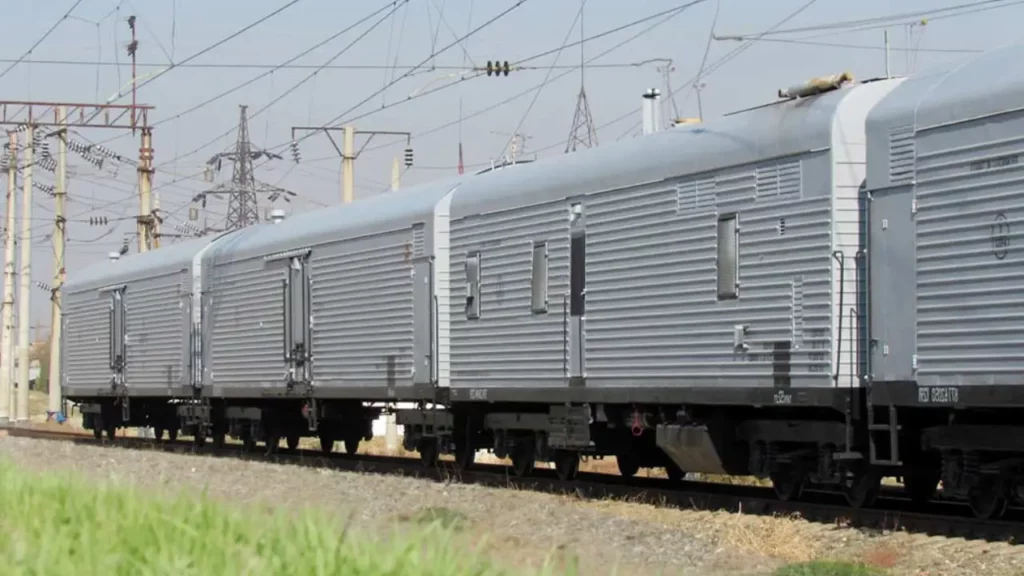
Refrigerated Cargo from Uzbekistan
Refrigerated transportation is suitable for products whose quality depends on maintaining a controlled temperature during transit.
Typical cargo includes:
- Fresh fruit
- Fresh vegetables
- Grapes
- Cherries
- Apricots
- Peaches
- Pomegranates
- Melons and watermelons
- Berries
- Chilled food products
- Frozen food products
- Meat
- Fish
- Dairy products
- Other temperature-sensitive cargo
The required transportation conditions depend on the specific product. Fresh agricultural products may require controlled cooling and ventilation, while frozen products require a stable low-temperature environment.
Before transportation, the cargo requirements, temperature conditions, weight, volume, packaging and destination are reviewed to determine the appropriate logistics solution.
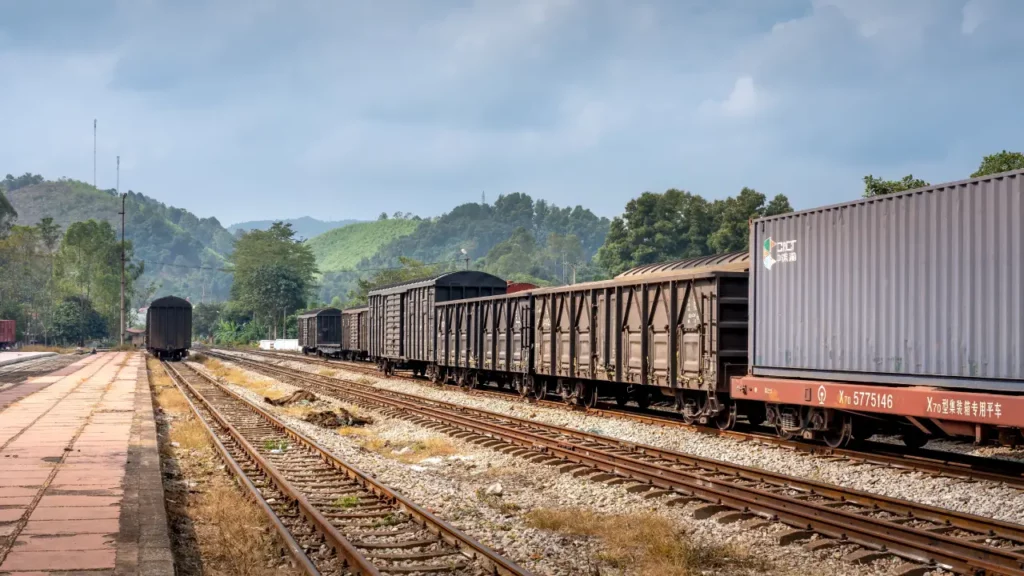
Main Refrigerated Freight Destinations
Refrigerated cargo from Uzbekistan can be transported to neighboring Central Asian countries, the CIS, the Caucasus and European destinations.
| Destination | Transport Solution | Indicative Transit Time |
|---|---|---|
| Kazakhstan | Refrigerated truck | 2-5 days |
| Kyrgyzstan | Refrigerated truck | 2-5 days |
| Tajikistan | Refrigerated truck | 2-5 days |
| Turkmenistan | Refrigerated truck | 3-7 days |
| Georgia | Reefer truck / multimodal | 7-14 days |
| Eastern Europe | Reefer truck / multimodal | 10-18 days |
| Central Europe | Reefer truck / multimodal | 12-20 days |
| Western Europe | Reefer truck / multimodal | 14-22 days |
Transit times are indicative and depend on the loading location, final destination, border procedures, route conditions, season and selected transportation method.
Refrigerated Freight from Uzbekistan to Europe
Europe is an important destination for agricultural and food products exported from Uzbekistan.
Refrigerated freight can be organized from Uzbekistan to Poland, Germany, the Netherlands, Belgium, France, Italy, Austria, Switzerland and other European countries.
For long-distance transportation, the route is selected according to the cargo characteristics, required temperature, delivery deadline and available transport infrastructure.
Depending on the destination, transportation may be performed by refrigerated truck or through a multimodal route combining several modes of transport.
For perishable cargo, route planning focuses on minimizing unnecessary delays and cargo handling. This helps reduce the time the shipment spends in transit and supports the preservation of product quality.
Refrigerated Freight to Central Asia and CIS Countries
Central Asia remains one of the most important regional markets for goods exported from Uzbekistan.
Refrigerated transportation can be organized to Kazakhstan, Kyrgyzstan, Tajikistan and Turkmenistan, as well as to Russia and other CIS destinations.
For relatively short routes, direct refrigerated trucking is often the most practical solution. It allows cargo to move from the shipper to the consignee with fewer intermediate handling operations.
For longer routes, multimodal transportation can be considered where combining road, rail or sea transport provides a suitable balance between transit time and transportation costs.
Temperature-Controlled Transportation
Maintaining the required temperature is a critical part of refrigerated freight transportation.
The appropriate temperature range depends on the type of cargo. Fresh fruit and vegetables, chilled products and frozen goods have different transportation requirements and therefore require different operating conditions.
Temperature-controlled logistics also requires consideration of loading procedures, transit time, border crossings, unloading operations and possible delays along the route.
For perishable products, unnecessary stops and transfers should be minimized. A properly planned transportation route helps maintain stable conditions and reduces the risk of quality deterioration during international delivery.

Cold Chain Logistics
The cold chain begins before the cargo is loaded and continues until the goods are delivered to the consignee.
For refrigerated freight from Uzbekistan, logistics planning can include:
- Preparation of the refrigerated vehicle
- Loading coordination
- Temperature requirements
- Route planning
- Border crossing planning
- Cargo handling
- Transit coordination
- Final delivery
The specific requirements depend on the cargo and the conditions agreed between the shipper and consignee.
FTL Refrigerated Transport
Full Truckload – FTL – transportation is suitable for customers who need a dedicated refrigerated vehicle for their shipment.
The entire transport capacity is allocated to one shipment, allowing the cargo to move directly between the loading and unloading locations without combining it with unrelated consignments.
FTL is particularly suitable for:
- Large fruit and vegetable shipments
- Wholesale food deliveries
- Regular export shipments
- Cargo requiring a direct route
- Time-sensitive perishable products
Using a dedicated refrigerated truck can reduce the number of cargo handling operations and provide greater control over the delivery schedule.
LTL Refrigerated Transport
Less Than Truckload – LTL – transportation can be used when the cargo does not require the full capacity of a refrigerated truck.
Several compatible shipments may be consolidated within the same transport capacity. This can reduce transportation costs for smaller shipments.
LTL refrigerated transportation requires compatibility between the cargoes regarding temperature requirements, handling conditions and destination.
Availability depends on the specific route, cargo characteristics and scheduled departures.
Transportation of Fresh Fruit and Vegetables
Fresh fruit and vegetables represent an important category of refrigerated exports from Uzbekistan.
Grapes, cherries, apricots, peaches, pomegranates, melons, watermelons and other seasonal products can require controlled transportation conditions during international delivery.
For fresh agricultural products, transit time is particularly important. Prolonged transportation, excessive handling or unsuitable temperature conditions can affect product quality.
For this reason, transportation planning takes into account the type of product, harvest season, packaging, loading location, destination and required delivery time.
Where the route allows, direct transportation can be used to reduce unnecessary transfers.
Multimodal Refrigerated Transportation
Not every international route from Uzbekistan is best served by road transportation alone.
Depending on the destination, cargo can be transported using a combination of road, rail and maritime services.
A multimodal solution can be useful for long-distance international transportation when combining different modes provides a suitable balance between cost, transit time and route availability.
The first and final sections of the route can be completed by refrigerated truck, while the main international section may use railway or maritime transportation where appropriate.
The logistics solution is selected according to the complete route rather than focusing on a single mode of transport.

Major Export and Logistics Centers in Uzbekistan
The loading location has a direct effect on the first stage of transportation and can influence the overall transit time and cost.
Important agricultural and logistics centers include:
- Tashkent
- Samarkand
- Fergana
- Andijan
- Namangan
- Bukhara
- Kashkadarya
- Surkhandarya
The actual route is calculated from the specific loading address rather than from a standard national location.
This is particularly important for agricultural shipments, where cargo may be loaded directly at a farm, processing facility, cold storage facility or distribution center.
Main International Routes
The most suitable route depends on the origin, destination, cargo characteristics and delivery requirements.
| Route | Typical Logistics Solution |
|---|---|
| Uzbekistan – Kazakhstan | Refrigerated road transport |
| Uzbekistan – Kyrgyzstan | Refrigerated road transport |
| Uzbekistan – Tajikistan | Refrigerated road transport |
| Uzbekistan – Turkmenistan | Refrigerated road transport |
| Uzbekistan – Georgia | Refrigerated road / multimodal transport |
| Uzbekistan – Poland | Refrigerated road / multimodal transport |
| Uzbekistan – Germany | Refrigerated road / multimodal transport |
| Uzbekistan – Netherlands | Refrigerated road / multimodal transport |
| Uzbekistan – Switzerland | Refrigerated road / multimodal transport |
The final route and transport method are determined individually for each shipment.
Transit Time for Refrigerated Freight from Uzbekistan
Transit time depends on the loading location, destination, border procedures, route, season and selected transportation method.
Regional shipments within Central Asia can usually be completed faster than long-distance deliveries to European markets.
The following figures are indicative:
| Destination | Indicative Transit Time |
|---|---|
| Kazakhstan | 2-5 days |
| Kyrgyzstan | 2-5 days |
| Tajikistan | 2-5 days |
| Turkmenistan | 3-7 days |
| Eastern Europe | 10-18 days |
| Central Europe | 12-20 days |
| Western Europe | 14-22 days |
Actual transit time is confirmed according to the specific shipment and current route conditions.
Refrigerated Freight Rates
The cost of refrigerated freight transport from Uzbekistan depends on the complete transportation requirements.
The main factors affecting the freight rate include:
- Loading location
- Final destination
- Cargo weight
- Cargo volume
- Required temperature
- Type of refrigerated equipment
- Transportation method
- Delivery deadline
- Border and customs requirements
- Additional logistics services
For FTL transportation, the price is generally calculated for a dedicated refrigerated vehicle. For smaller shipments, an LTL solution may be available depending on the route.
Because refrigerated transportation requires specialized equipment and controlled conditions, the final freight rate is calculated individually.
To receive a quotation, provide the loading location, destination, cargo type, weight, volume, required temperature and preferred shipping date.
Customs and Shipping Documentation
International refrigerated freight from Uzbekistan requires appropriate commercial, customs and transportation documentation.
Depending on the cargo and destination, the shipment may require:
- Commercial invoice
- Packing list
- Transport documents
- Export documentation
- Certificate of origin
- Phytosanitary certificates
- Veterinary certificates
- Other product-specific documents
The exact documentation requirements depend on the type of product, customs classification and import regulations of the destination country.
Proper preparation of documentation helps reduce the risk of delays at border crossings and supports predictable international transportation.
Why Choose Sofmar
Sofmar provides international freight forwarding and refrigerated logistics solutions for companies exporting temperature-sensitive cargo from Uzbekistan.
We coordinate transportation according to the actual requirements of each shipment rather than applying a standard solution to every cargo.
Our logistics specialists consider the cargo type, temperature requirements, loading location, destination, transit time and available transport options when developing the transportation plan.
For exporters of agricultural and food products, reliable refrigerated logistics is an important part of maintaining product quality and meeting delivery commitments.
Our Logistics Routes
Request a Refrigerated Freight Quote
If you need refrigerated freight transport from Uzbekistan to Europe, Central Asia, CIS countries, the Caucasus or another international destination, contact Sofmar for an individual transportation quotation.
Send us:
- Loading location
- Final destination
- Cargo type
- Weight
- Volume
- Required temperature
- Preferred shipping date
Based on these details, our logistics specialists will determine the appropriate refrigerated transport solution, route and estimated transportation cost.
Request a Transportation Proposal
If you are planning to export refrigerated cargo from Uzbekistan, send us your shipment details.
Our team will review the cargo, destination and transportation requirements and prepare an individual logistics proposal with the recommended route, transportation method, estimated transit time and freight cost.


