Rail Freight from Kazakhstan to Poland
International Railway Cargo Transportation Between Kazakhstan and Poland
Kazakhstan and Poland are strategically connected through the Eurasian railway network, making rail freight one of the most reliable transportation solutions for cargo moving between Central Asia and the European Union. Growing trade volumes, expanding transport infrastructure, and the development of international logistics corridors have significantly increased the role of railway transportation in regional and intercontinental supply chains.
Sofmar provides professional rail freight services from Kazakhstan to Poland for manufacturers, exporters, importers, distributors, industrial companies, and trading organizations. We organize international railway transportation, container shipping, multimodal logistics, freight forwarding, customs coordination, and door-to-door delivery for a wide range of commercial cargo.
Our logistics specialists manage every stage of transportation, including route planning, railway booking, documentation, cargo monitoring, transshipment, customs procedures, and final delivery. Whether your shipment consists of a single container or regular export volumes, we develop transportation solutions that balance transit time, freight costs, and operational reliability.
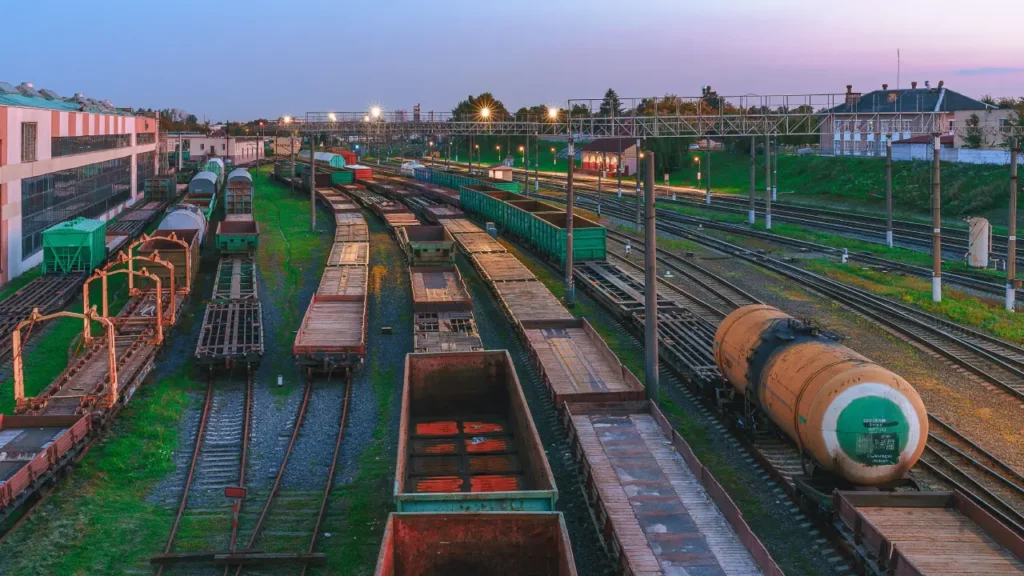
Kazakhstan – A Strategic Railway Gateway Between Asia and Europe
Kazakhstan plays a central role in Eurasian rail logistics. Its geographical position connects China, Central Asia, the Caspian region, the Caucasus, and Europe through an extensive railway infrastructure integrated into international transport corridors.
The country’s railway network provides direct access to major industrial regions while serving as one of the primary transit routes for cargo moving westbound toward European markets. Continuous investment in railway infrastructure, border terminals, and container logistics has strengthened Kazakhstan’s position as one of the most important freight transit countries in Eurasia.
For European companies importing goods from Central Asia or western China, Kazakhstan represents the starting point of one of the fastest land transportation routes into the European Union.
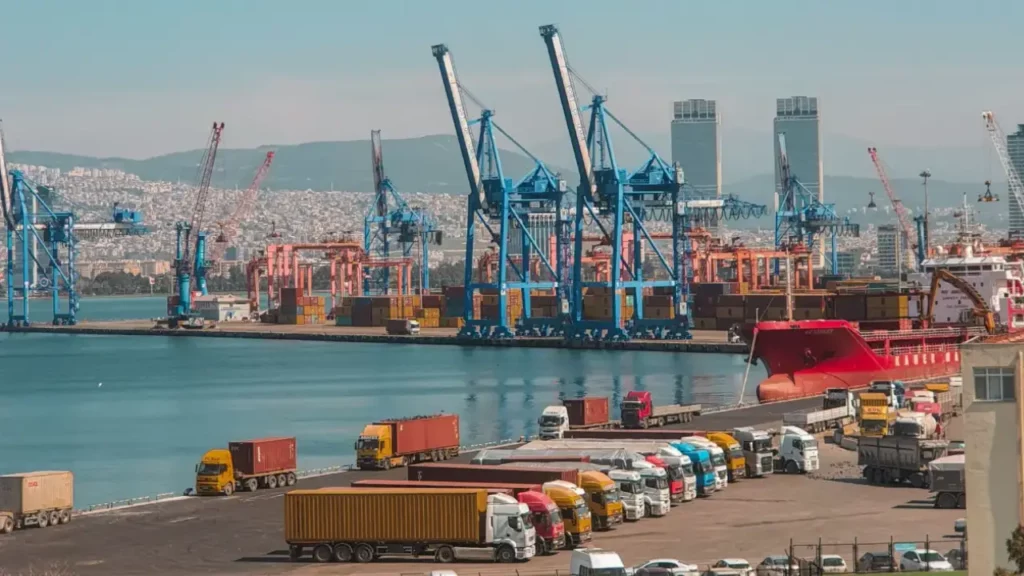
Poland – One of Europe’s Leading Logistics Hubs
Poland has become one of the largest logistics centers in Europe thanks to its strategic location and highly developed transport infrastructure.
Cargo arriving in Poland can be efficiently distributed throughout the European Union using integrated railway and road networks. Warsaw, Łódź, Poznań, Katowice, and Wrocław serve as major logistics centers connecting Central Europe with Germany, France, the Netherlands, Belgium, Austria, the Czech Republic, Slovakia, Hungary, and Scandinavia.
For many international companies, Poland functions not only as the final destination but also as a distribution gateway for European supply chains.
Middle Corridor – The Fastest Growing Transport Route Between Central Asia and Europe
One of the most important international logistics corridors connecting Kazakhstan with Europe is the Trans-Caspian International Transport Route (TITR), widely known as the Middle Corridor.
Unlike traditional northern routes, the Middle Corridor combines railway and maritime transportation, creating an efficient multimodal connection between Central Asia and the European Union.
The typical transportation chain includes:
| Transport Stage | Route |
|---|---|
| Railway | Kazakhstan → Aktau Port |
| Ferry Crossing | Aktau → Baku (Alyat Port) |
| Railway | Azerbaijan → Georgia |
| Black Sea Shipping | Poti or Batumi → Romania or Bulgaria |
| European Railway Network | Romania/Bulgaria → Poland |
The continued development of the Middle Corridor has significantly increased transportation capacity while improving transit reliability and reducing dependence on alternative routes.
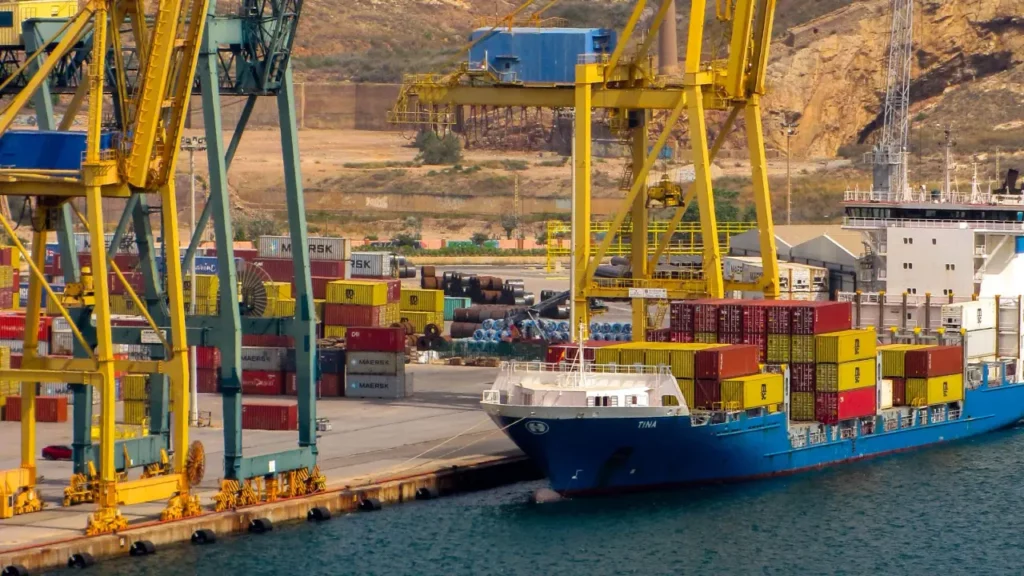
The Role of Georgia in International Logistics
Georgia occupies a strategic position within the Middle Corridor and serves as one of the most important logistics hubs connecting Central Asia with Europe.
After crossing Azerbaijan, cargo enters Georgia, where the ports of Poti and Batumi become key gateways between the Caucasus and the Black Sea. These ports provide regular maritime services to Romania and Bulgaria, enabling cargo to continue toward Poland through the European railway network.
Beyond maritime connections, Georgia plays a much broader logistics role.
The country serves as a regional hub for:
- Container transshipment
- Cargo consolidation
- Customs clearance
- Temporary storage
- Multimodal transport operations
- Railway-to-sea cargo transfers
- Distribution of cargo to European destinations
Modern logistics terminals, customs infrastructure, and international transport links allow cargo to move efficiently between rail, sea, and road transport while minimizing delays throughout the supply chain.
For many shipments moving from Kazakhstan to Poland, Georgia represents the critical connection between the railway systems of Central Asia and the European logistics network.
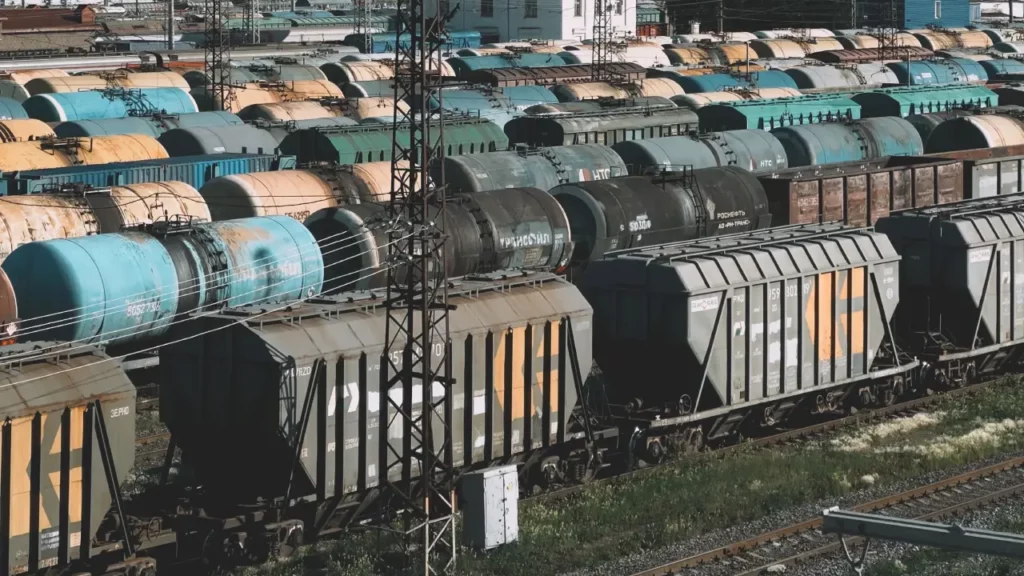
Major Railway Logistics Hubs
Efficient railway transportation depends on well-developed logistics terminals located along the international transport corridor.
Major logistics hubs involved in Kazakhstan–Poland rail freight include:
| Country | Logistics Hub | Role in the Supply Chain |
|---|---|---|
| Kazakhstan | Almaty | Major industrial and logistics center |
| Kazakhstan | Astana | Cargo consolidation and rail distribution |
| Kazakhstan | Shymkent | Southern freight hub |
| Kazakhstan | Dostyk | Border terminal connecting Kazakhstan and China |
| Kazakhstan | Khorgos Dry Port | International rail logistics hub and container terminal |
| Kazakhstan | Aktau Port | Caspian Sea gateway for the Middle Corridor |
| Azerbaijan | Alyat (Baku) Port | Ferry terminal linking the Caspian Sea with the South Caucasus |
| Georgia | Poti Port | Black Sea container port with regular services to Europe |
| Georgia | Batumi Port | Multimodal logistics hub for rail, sea and road transport |
| Poland | Warsaw | National logistics and distribution center |
| Poland | Łódź | Major intermodal rail terminal |
| Poland | Poznań | Western Poland distribution hub |
| Poland | Katowice | Industrial and freight logistics center |
These logistics centers ensure efficient cargo handling, container transfers, customs processing, and integration between railway, maritime, and road transportation.


