Logistics from Armenia to Europe: Multimodal Freight Solutions
Shipping from Armenia to Europe is always a multimodal process because Armenia has no direct access to sea routes. Every shipment is organized through transit corridors, mainly via Georgia and Black Sea ports.
In practice, this means cargo is transported by road from Armenia to ports such as Poti or Batumi, and then shipped by sea to Europe, followed by inland delivery within the EU if required.
The average transit time ranges from 18 to 30 days, depending on the route, cargo type, and port workload.
Sofmar provides full-cycle logistics solutions from Armenia to Europe, managing shipments from pickup to final delivery, including documentation, port operations, and coordination across all stages.
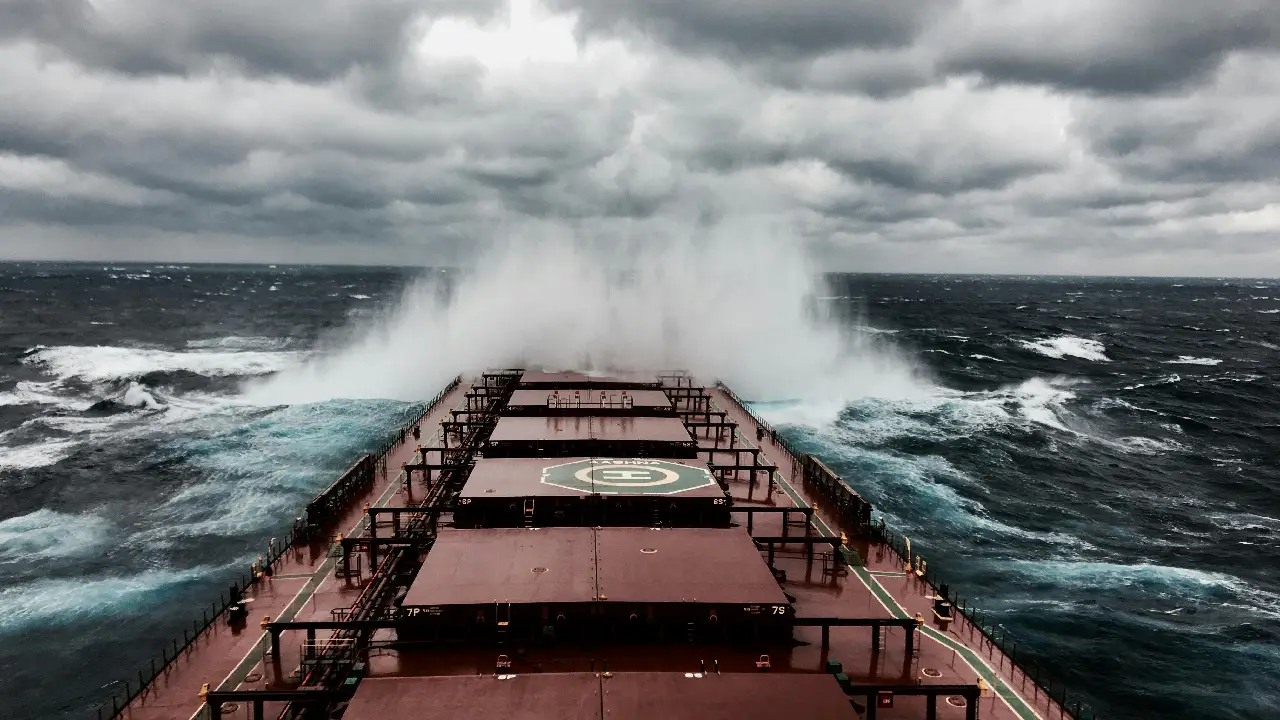
Main Routes from Armenia to Europe
The majority of cargo flows through Georgia, which is the most stable and established corridor for international transport.
Armenia → Georgia → Black Sea → Europe
Cargo is collected in Yerevan or other regions of Armenia and transported by truck to Georgian ports. This stage typically takes 1 to 2 days.
From Poti or Batumi, cargo is shipped to ports in Romania or Bulgaria. The sea leg usually takes 10 to 14 days depending on vessel schedules.
The total transit time for this route is typically 18 to 25 days, making it the most reliable option in terms of timing and cost.
Delivery with Distribution Across Europe
If the cargo is destined beyond port cities and needs to reach inland locations such as Germany, Italy, or France, an additional delivery stage is added.
After arrival in ports like Constanta or Varna, cargo is transferred to trucks or rail for final delivery. This stage takes approximately 3 to 7 days, depending on the destination.
The total transit time in this case is usually 22 to 30 days.
Solutions for Project and Oversized Cargo
For heavy, oversized, or complex cargo, logistics is planned individually.
These shipments may require special equipment, dedicated transport solutions, and adjusted handling procedures at ports. Transit times typically range from 25 to 35 days, depending on complexity.

Shipping Formats
The choice of shipping format directly impacts both cost and delivery time.
Full Container Load (FCL)
FCL means a dedicated container is used for one shipment.
Standard parameters:
A 20-foot container holds approximately 28 cubic meters
A 40-foot container holds approximately 58 to 68 cubic meters
Maximum weight typically ranges from 21 to 26 tons
Transit time is usually 18 to 25 days.
This option is most cost-effective when shipping volumes exceed 10 to 12 cubic meters, as the cost per unit decreases and cargo handling is minimized.
Less-than-Container Load (LCL)
LCL is used for smaller shipments that do not require a full container.
Cargo is consolidated at a warehouse and combined with other shipments before loading.
Transit time increases to 25 to 30 days due to additional handling and consolidation processes.
This option is ideal for smaller shipments or testing new supply chains.
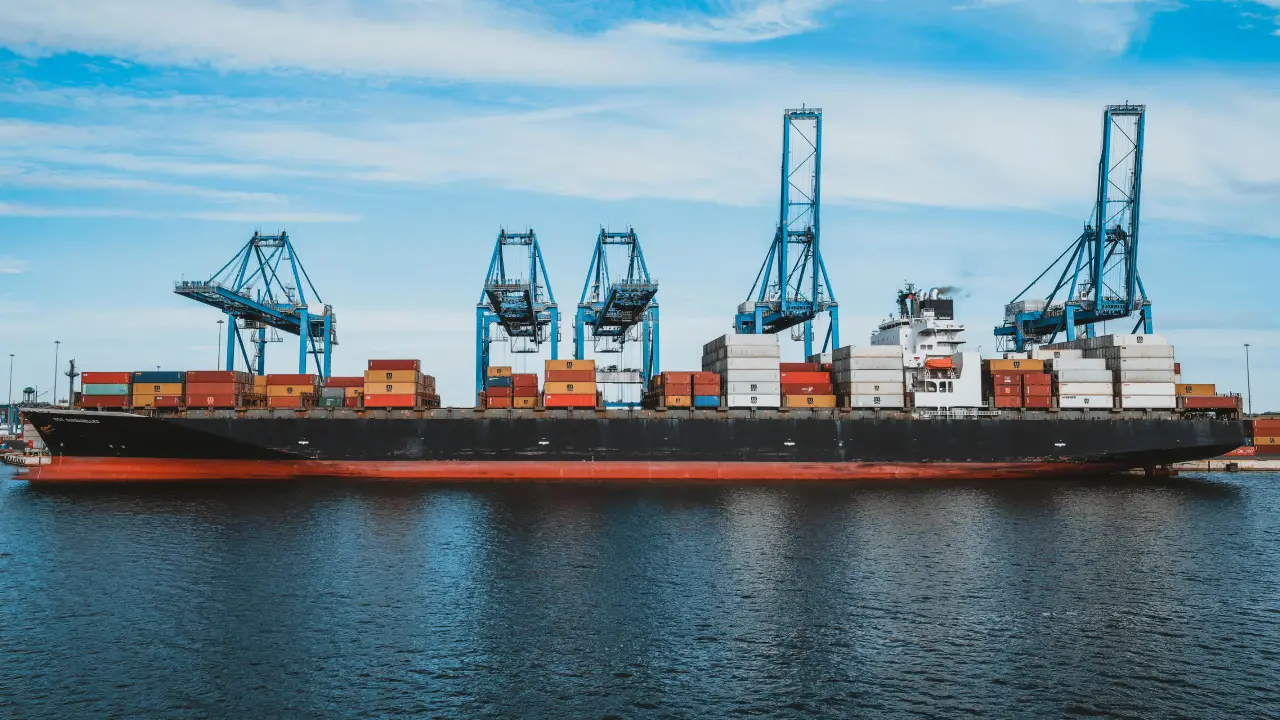
Sample Transit Times and Routes
| Format | Route | Transit Time | Volume and Notes |
|---|---|---|---|
| FCL 20’ | Yerevan → Poti → Romania | 20–22 days | Up to 21 tons, stable weekly departures |
| FCL 40’ | Yerevan → Batumi → Bulgaria | 22–25 days | Up to 26 tons, optimal for large shipments |
| LCL | Yerevan → Poti → EU hubs | 25–30 days | From 1 cubic meter, consolidation required |
Documentation and Customs
Accurate documentation is critical for smooth transportation. Even minor errors can lead to delays at borders or ports.
The basic document set includes a commercial invoice, packing list, transport documents, and certificates if required.
Incorrect or inconsistent data may result in delays of 2 to 5 days or additional costs.
Proper document verification before shipment is essential to avoid disruptions.
Logistics Optimization
Logistics optimization starts with selecting the right route based on cargo size and urgency.
Full container shipments provide more predictable timing and lower cost per unit for larger volumes.
Consolidated shipments are more economical for smaller cargo but require additional time due to handling.
Continuous cargo tracking allows real-time visibility and helps prevent delays.
Operational experience is critical, as actual transit times depend on real conditions, not theoretical estimates.
Advantages of Using Sofmar
Working with an experienced logistics provider reduces operational risks and ensures consistent delivery performance.
Sofmar manages the entire supply chain, including route planning, coordination with carriers, port handling, and documentation control.
This approach helps avoid delays, reduce costs, and maintain predictable delivery timelines.
Practical Cargo Examples
Typical cargo transported from Armenia to Europe includes industrial equipment, construction materials, consumer goods, electronics, and automotive parts.
Each category requires specific handling, packaging, and logistics planning to ensure safe and compliant transportation.


