Lojistik from Uzbekistan, Turkmenistan, Kazakhstan and Tajikistan to Europe
International lojistik from Central Asia to Europe is a key component of export operations for companies in Uzbekistan, Turkmenistan, Kazakhstan and Tajikistan. Businesses in these countries require reliable transport solutions that ensure stable transit times, flexible routing and cost efficiency while operating across long distances and multiple transit regions.
Multimodal lojistik routes via the Caspian Sea, the South Caucasus and the Black Sea form a proven and efficient connection between Central Asia and European markets. This corridor allows exporters to build predictable supply chains and reduce dependence on single land-based routes.
Why multimodal lojistik is the right choice
Export-oriented companies in Central Asia operate in sectors such as textiles, manufacturing, chemicals, agriculture, FMCG and industrial equipment. For these industries, lojistik reliability is critical not only for delivery, but also for production planning and contractual performance.
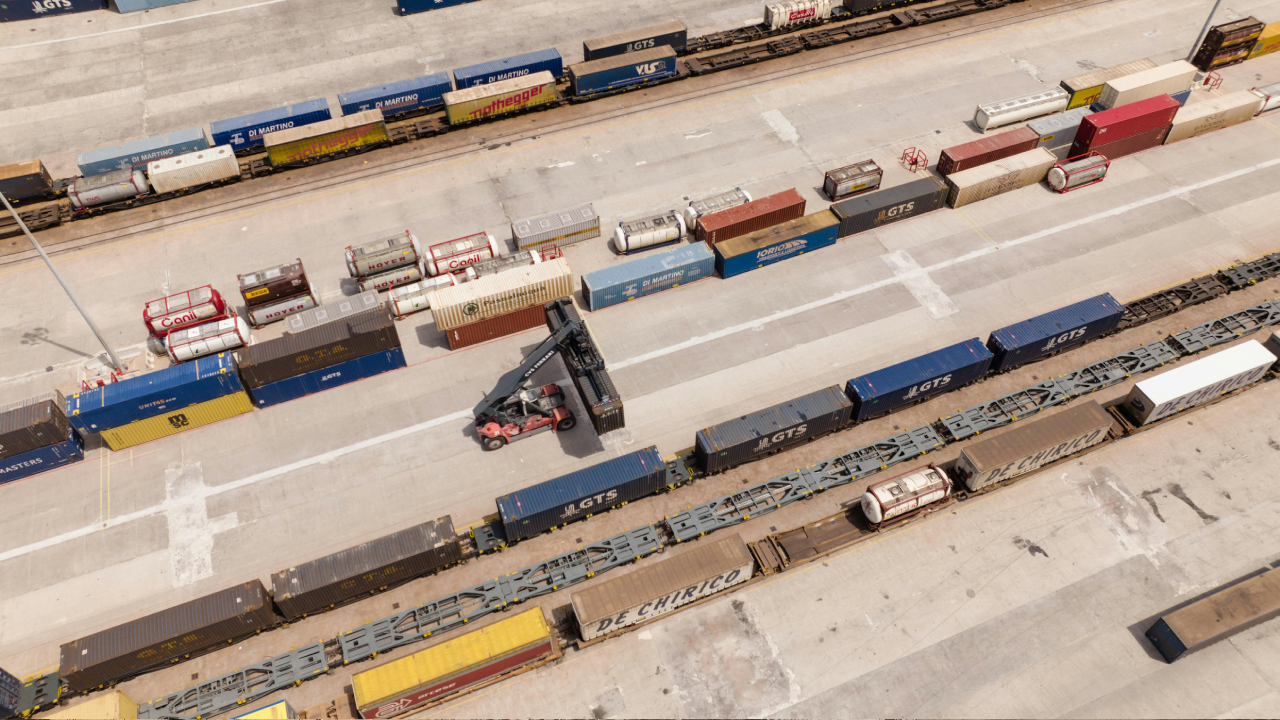
Multimodal lojistik combines rail, road and sea transport into one coordinated transport chain. This approach helps to avoid congestion at land borders, improves schedule stability and provides better control over transit risks. As a result, exporters benefit from a balanced solution suitable for both regular shipments and growing cargo volumes.
Countries of origin
Uzbekistan is a major exporter of textiles, garments, processed goods, FMCG and industrial products. Cargo is typically transported by rail or road toward Kazakhstan and further to Caspian Sea ports.
Kazakhstan acts as a regional lojistik hub with a well-developed railway network. The country exports metals, chemicals, agricultural products and industrial equipment to European destinations.
Turkmenistan focuses on exports of polymers, chemicals and raw materials. Shipments are usually routed through the port of Turkmenbashi on the Caspian Sea.
Tajikistan exports agricultural and industrial goods. Transport routes pass through Uzbekistan and Kazakhstan before reaching Caspian ports.
Main lojistik route from Central Asia to Europe
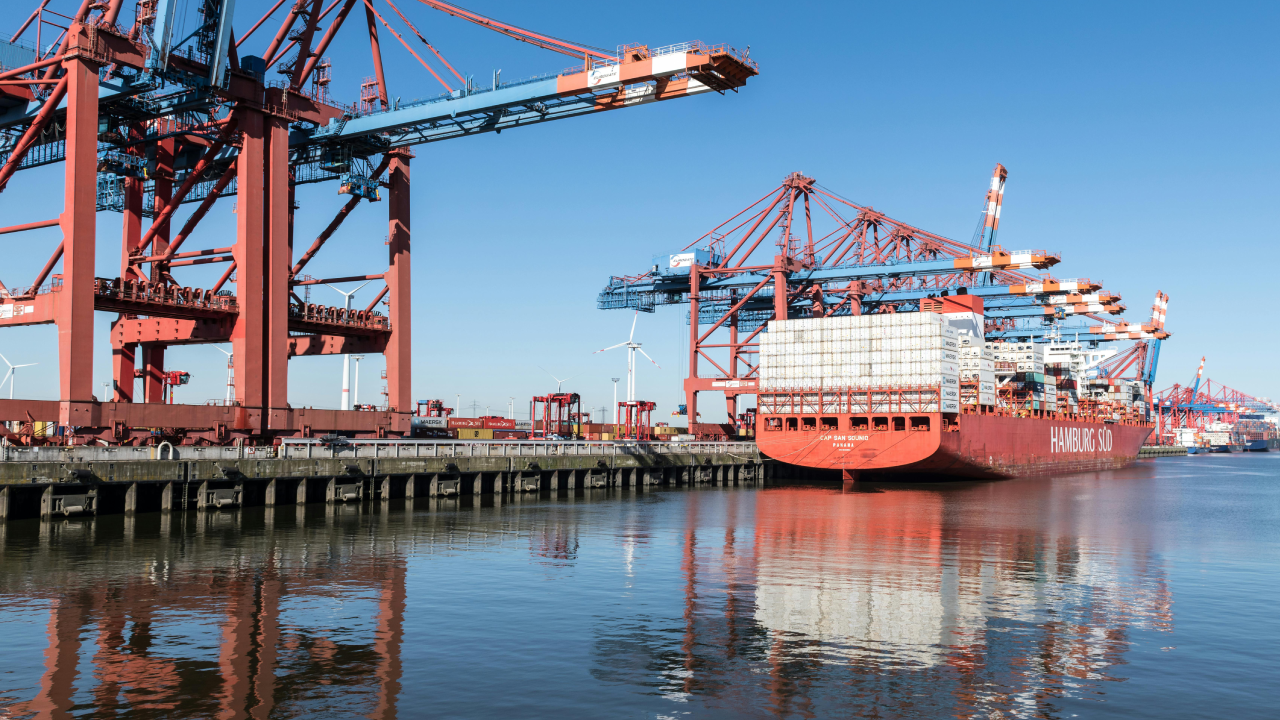
The main multimodal lojistik corridor runs from Central Asia to the Caspian Sea, then through Azerbaijan and Georgia, across the Black Sea and onward to Europe.
Cargo is first delivered by rail or road within Central Asia to Caspian ports such as Aktau, Kuryk or Turkmenbashi. Ferry and Ro-Ro services then connect shipments to the port of Baku in Azerbaijan, significantly reducing long overland distances.
From Azerbaijan, cargo continues through the South Caucasus by rail or truck toward Georgia. Georgian Black Sea ports serve as the main export gateways connecting Central Asian cargo to European maritime networks.
Role of the port of Poti in the export corridor
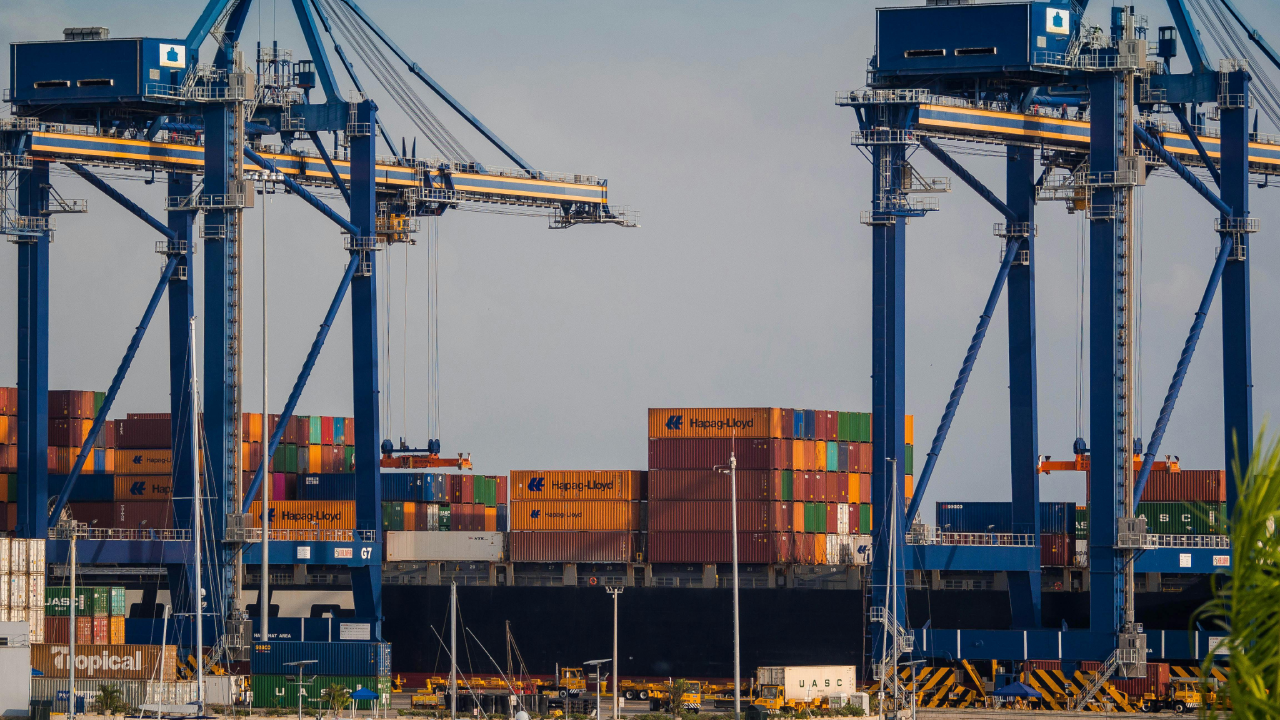
The port of Poti is a key transit and export hub on the Black Sea, providing stable access to European feeder services. Its container and general cargo infrastructure allows efficient handling of Central Asian export flows and reliable connections to European ports such as Constanța, Varna, Burgas, Istanbul, Piraeus and Trieste.
Poti plays a central role in ensuring predictable schedules and smooth transitions between rail, road and sea transport.
Transit time overview
Typical multimodal lojistik transit times from Central Asia to Europe range from 10 to 25 days. Final delivery time depends on the country of origin, cargo type, routing, seasonality and destination within the European Union. This timeframe provides a competitive balance between speed and cost.
Types of cargo supported
The lojistik corridor supports containerized cargo in 20-foot and 40-foot containers, LCL and consolidated shipments, textiles and apparel, metals and chemicals, agricultural products, machinery and equipment, project and oversized cargo, as well as temperature-controlled shipments when required.
Sofmar – multimodal lojistik from Central Asia to Europe
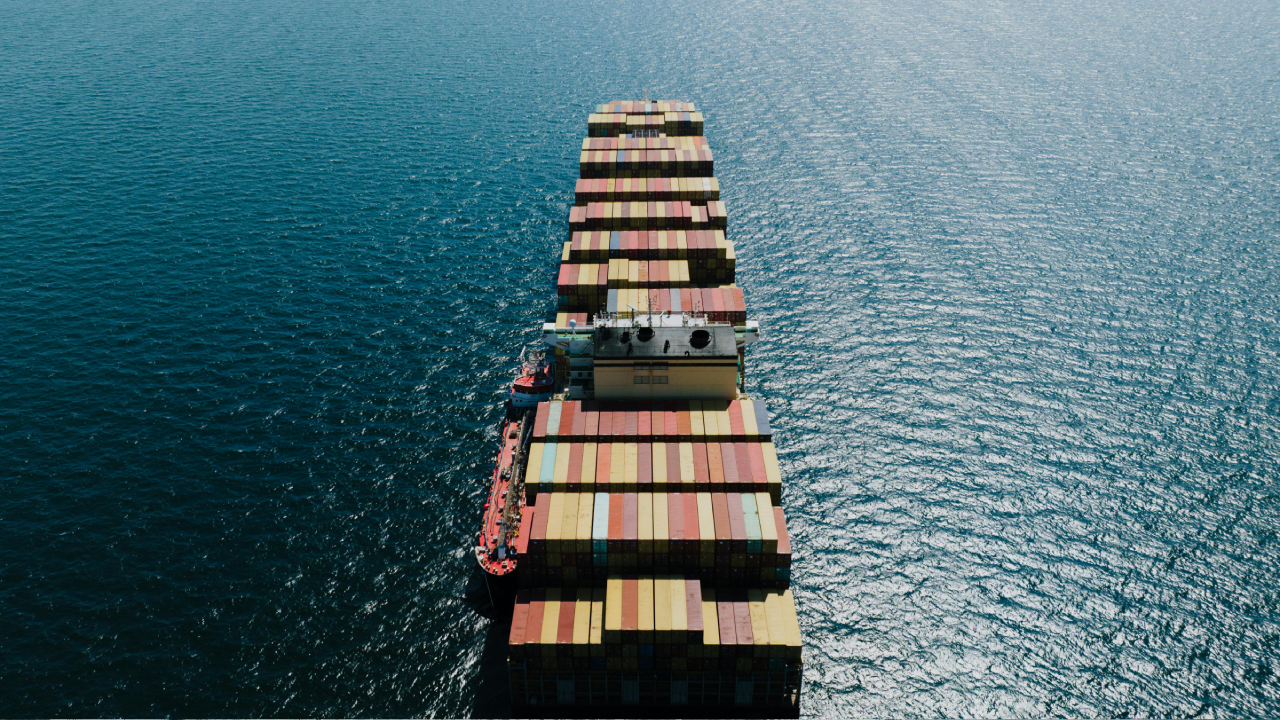
Sofmar provides end-to-end multimodal lojistik solutions from Uzbekistan, Turkmenistan, Kazakhstan and Tajikistan to European destinations. The company coordinates the full transport chain, ensuring smooth cargo movement across Central Asia, the Caspian Sea, Azerbaijan, Georgia and the Black Sea.
Sofmar’s operations are centered around the port of Poti, which serves as a key gateway for exports to Europe. In addition, Sofmar maintains representative offices in Armenia, strengthening regional coordination and offering additional flexibility for clients operating across the South Caucasus.
By integrating rail, road and sea transport into a single lojistik solution, Sofmar ensures stable delivery schedules, cost optimization and reliable access to European markets for Central Asian exporters.


