Kazakhstan to Germany Logistics Services | Freight Shipping
Shipping cargo from Kazakhstan to Germany is not just “moving goods from A to B”. It’s a controlled supply-chain operation where timing, handovers, documentation, and predictable cost matter as much as the transport itself. For B2B shippers, the key objectives are simple: stable transit, clear responsibility across each leg, and a repeatable process you can scale from a single shipment to regular contractual volumes.
A practical solution for this lane is a multimodal route that combines rail and sea: rail within Kazakhstan, transit through the Caucasus, loading through Georgian ports on the Black Sea, EU entry via Varna (Bulgaria), and onward delivery to Germany by rail and/or truck. This structure keeps the route manageable, flexible for different cargo types, and suitable for both spot and scheduled shipments.
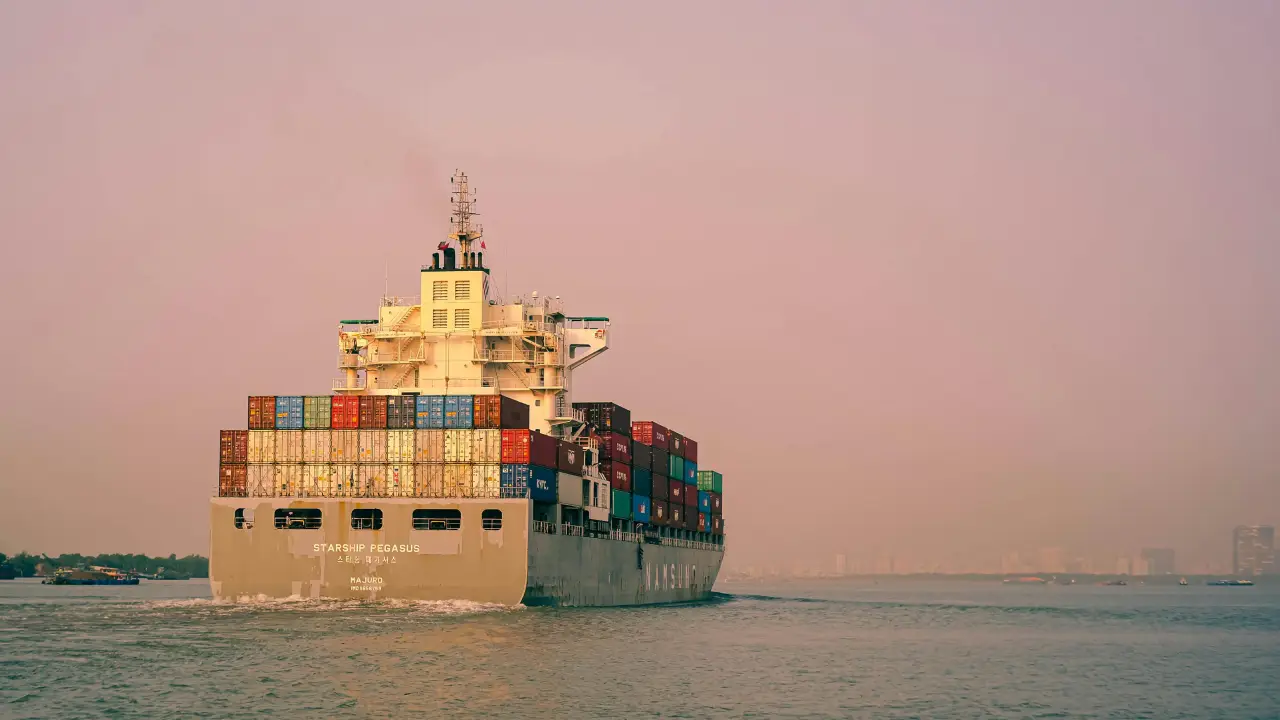
What We Ship From Kazakhstan to Germany
This corridor supports a broad range of cargo categories, from commodities to industrial products. Typical shipments include agricultural goods (grain, oilseeds, meal, feed), raw materials (metals, chemical inputs), construction materials, machinery, spare parts, and finished goods for manufacturing and trade.
Cargo can move as bulk, bagged/big-bag, palletized freight, or containerized shipments depending on what is most efficient for your product and volume. The best logistics plan always starts with the shipment profile: weight and volume, packaging, density (for commodities), any special handling needs, and the target delivery window. With those inputs, we select the most cost-effective transport technology and the correct consolidation/handling points.
Core Route: Kazakhstan to Germany via the Middle Corridor
One of the most workable structures for Kazakhstan → Germany is the Middle Corridor (Trans-Caspian route) with a Black Sea segment and EU entry through Bulgaria. While it is a multi-leg route, it becomes a single controlled chain when it is managed end-to-end with clear cut-offs, handover rules, and tracking across terminals and ports.
A typical routing logic looks like this:
-
Kazakhstan (origin leg): pickup from plant/warehouse or delivery to a consolidation terminal
-
Rail in Kazakhstan: transport toward the Caspian leg based on the shipment plan
-
Caspian crossing: transfer to the Azerbaijan side (Baku/Alyat area)
-
Caucasus transit: Azerbaijan → Georgia transit to Black Sea ports
-
Georgia ports: export handling through Poti / Batumi
-
Black Sea leg: sea feeder to Varna (Bulgaria) as an EU entry point
-
EU onward leg: Germany delivery by rail and/or truck to a terminal or final warehouse
This approach is scalable: it works for one-off exports and for stable weekly/monthly flows, and it supports different service levels—from terminal-to-terminal to full door-to-door logistics.
Transit Time: Kazakhstan to Germany
A realistic planning window for this corridor is 9–21 days, depending on the exact origin in Kazakhstan, the cargo format (bulk vs pallets vs container), terminal operations, and sea schedule alignment.
The key to consistent lead time is not “hoping it’s fast,” but controlling milestones: terminal cut-offs, loading windows, vessel departures, and EU-side onward dispatch. For regular shipments, operators typically stabilize lead time by fixing routing patterns, reserving capacity at key nodes, and using repeatable document and data templates so each shipment runs the same way.
Cost of Shipping: Kazakhstan to Germany
For this lane, a practical benchmark for certain shipment profiles is from USD 110 per ton, but the final rate is always built from shipment-specific inputs. The cost is influenced by:
-
cargo type and handling requirements
-
shipment volume and regularity
-
chosen service model (door-to-door vs terminal-to-terminal)
-
packaging and loading method (bulk, pallets, containers)
-
terminal handling and storage needs
-
seasonality and capacity at ports/sea legs
-
Incoterms and responsibilities between shipper and consignee
A correct quote is not a single number—it’s a structured offer that explains what is included, what is optional, and which variables can shift the price. This is what makes budgeting reliable for procurement and supply-chain teams.
Documentation and Customs: What Matters in Practice
In international freight, documentation quality directly impacts transit time. Even a well-chosen route can stall if the paperwork is inconsistent, incomplete, or mismatched to cargo reality.
A standard B2B document set usually includes a commercial invoice, packing list, and contract or specification. It also includes transport documents for each leg and any required certificates, such as origin or phytosanitary or veterinary papers. One rule matters most: prepare the documents in parallel with the shipment, not after the cargo is already moving.
Before dispatch, we validate HS codes, cargo description, weights/measurements, consignee details, and any labeling requirements. This reduces clarification loops at transit nodes and supports smoother entry procedures when the shipment transitions into the EU logistics system.
Why Businesses Choose the Georgia–Varna EU Entry Structure
Companies choose this structure because it combines flexibility with control. Georgia ports (Poti/Batumi) provide workable access to the Black Sea leg, while Varna is a practical EU entry point that supports onward distribution toward Germany through established European transport networks.
Operationally, the biggest advantage is repeatability. When the route uses the same nodes and stable procedures, each shipment is easier to run. It needs fewer manual actions and fewer last-minute decisions. Planning becomes clearer for inventory, production, and delivery windows.
What a Logistics Operator Handles End-to-End
In multimodal transport, the real value isn’t just booking capacity. It’s managing every interface where delays, misunderstandings, and responsibility gaps usually happen. Sofmar coordinates the entire chain so accountability never gets lost at handover points between rail legs, terminals, ports, the Black Sea segment, and onward delivery inside the EU on the way to Germany. That means fewer surprises, clearer timelines, and a process you can actually repeat shipment after shipment.
Sofmar typically covers route design and planning, selection of the most efficient hubs, alignment of rail, port, and sea schedules, supervision of terminal handling and transshipment, support with the documentation workflow, milestone and cut-off control, end-to-end tracking, and structured reporting for your team. The result is a predictable logistics operation you can rely on for both one-off shipments and long-term supply programs from Kazakhstan to Germany.


