Freight Forwarding Central Asia to Germany
Freight Forwarding Central Asia to Germany as a Practical Logistics Solution
Freight forwarding Central Asia to Germany is a well-established international logistics service used for regular trade between Central Asian exporting countries and the German market. This route is widely applied for the transportation of agricultural products, raw materials, and industrial cargo from Kazakhstan, Uzbekistan, Turkmenistan, Kyrgyzstan, and Tajikistan to Germany and other European Union countries.
This corridor cannot be treated as a simple point-to-point shipment. It involves long distances, several transit stages, port operations, and coordination between different transport modes. That is why professional freight forwarding plays a critical role here. A properly organized forwarding process allows businesses to keep delivery schedules predictable, costs under control, and supply chains stable even for large and regular shipments.
In real practice, logistics on this route is built around rail transport and multimodal sea-rail solutions. This approach makes it possible to work with high cargo volumes, avoid sharp cost fluctuations, and plan deliveries months in advance.
Freight Forwarding Central Asia to Germany and the Trans-Caspian Route
Freight forwarding Central Asia to Germany is primarily organized via the Trans-Caspian transport corridor. This route connects inland regions of Central Asia with Europe through the Caspian Sea, the South Caucasus, and the Black Sea. It is widely used by the market and offers enough flexibility to handle different cargo types and shipment volumes.
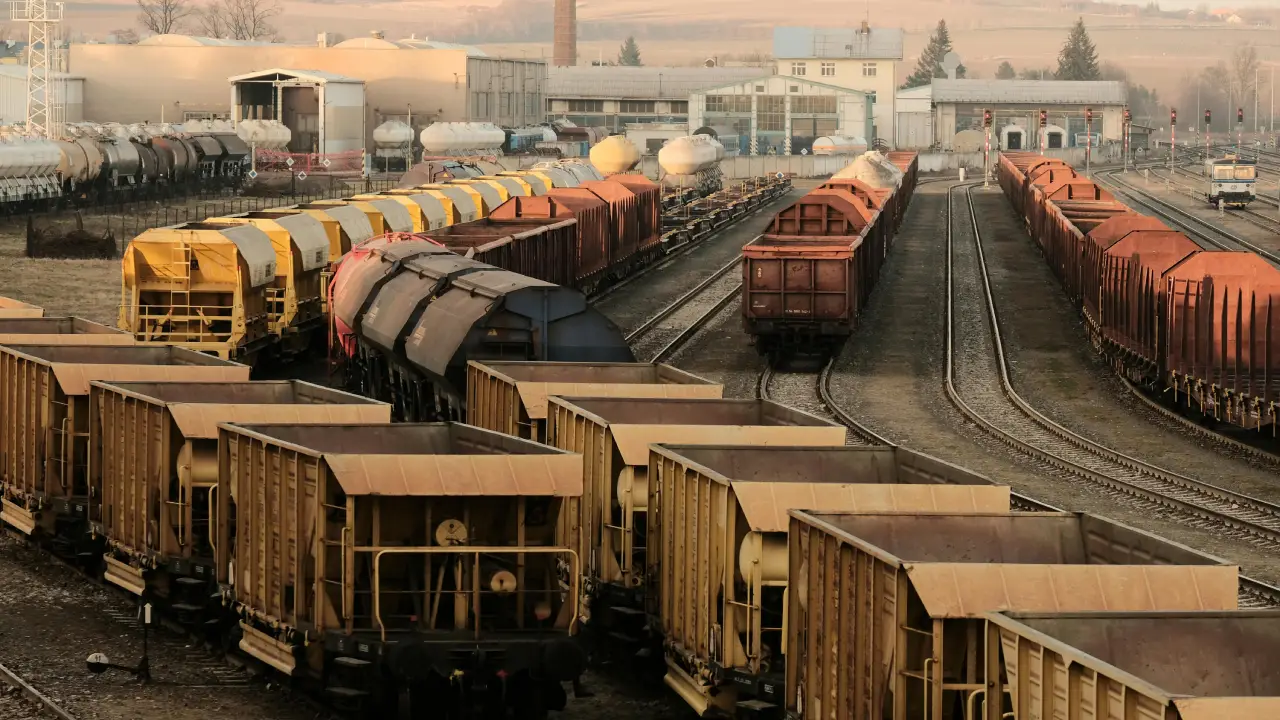
The transportation process starts with cargo consolidation in Central Asia. Kazakhstan plays a key role at this stage due to its developed railway infrastructure, which allows cargo from neighboring countries to be collected and routed further along the corridor. From inland rail hubs, cargo is transported by rail to the Caspian ports of Aktau and Kuryk.
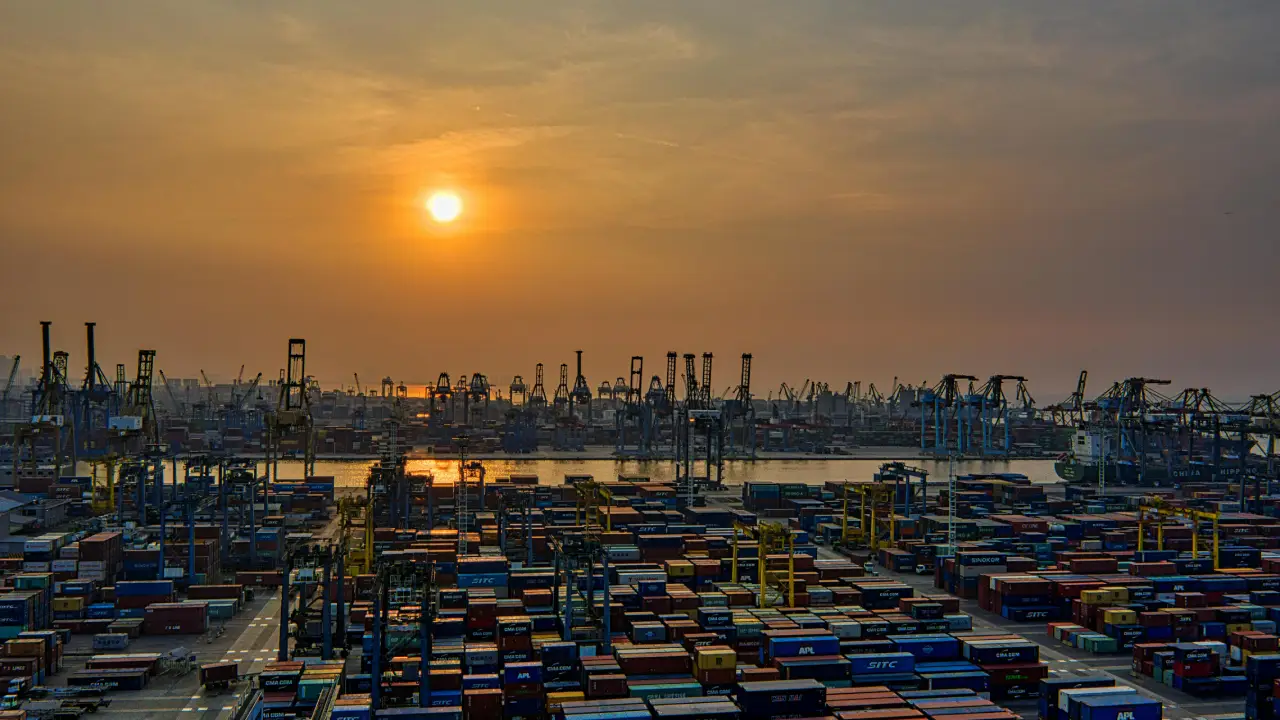
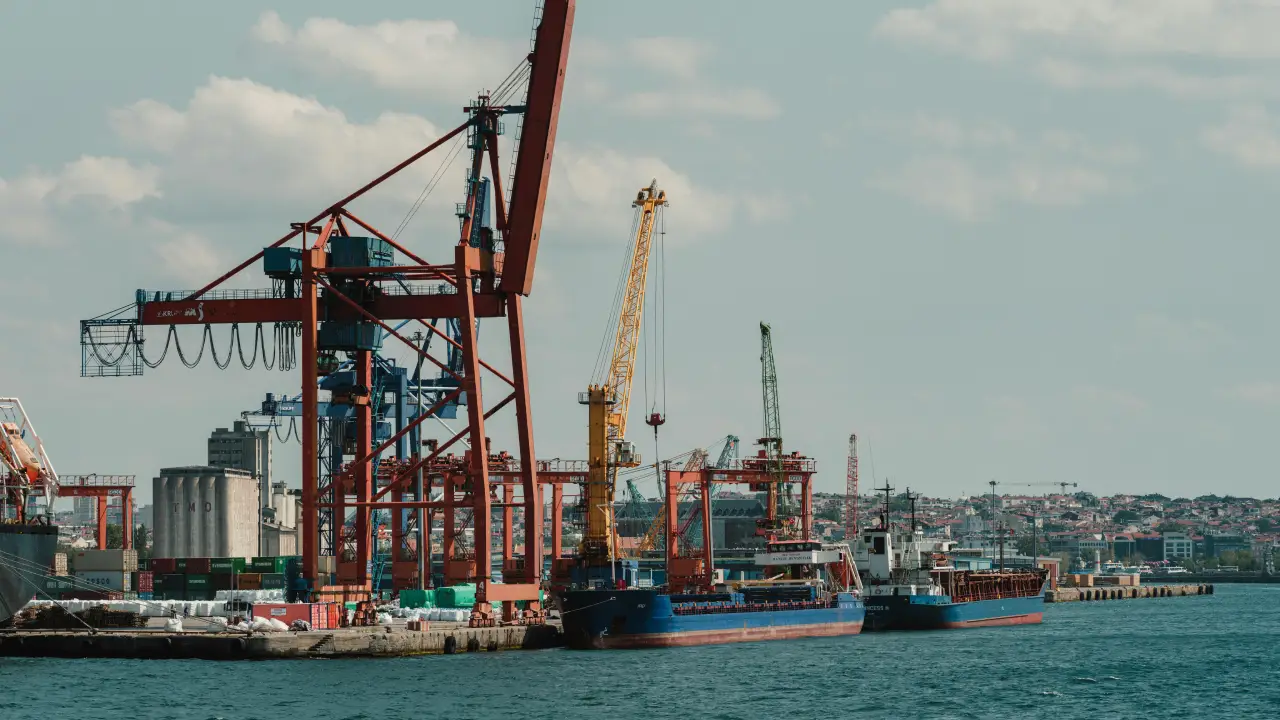
Aktau and Kuryk serve as major transshipment points where bulk cargo, containers, and rail wagons are prepared for the maritime leg of the journey. After crossing the Caspian Sea, cargo arrives in Georgia, where the Black Sea ports of Poti and Batumi become the next critical logistics hubs.
At Poti and Batumi, cargo can be handled, stored if necessary, and prepared for onward shipment. These ports are well integrated with both maritime services and regional rail infrastructure, which allows smooth continuation of the route. From there, cargo moves across the Black Sea to European ports such as Constanta, Varna, or Burgas.
Once inside the European Union transport system, cargo continues by rail toward Germany. Final delivery and distribution are carried out through major German logistics hubs, including Hamburg, Duisburg, Leipzig, Mannheim, and Munich. These hubs provide efficient access to industrial regions and distribution centers across Germany.
Cargo Types Handled in Freight Forwarding Central Asia to Germany
Freight forwarding Central Asia to Germany covers a broad range of B2B cargo. Agricultural products represent a significant share of transported volumes. Typical shipments include grain, oilseeds, legumes, animal feed, and processed agricultural products. For this category, stable routing and competitive cost per ton are especially important.
Raw materials and industrial cargo form another major segment. These include mineral resources, industrial raw inputs, construction materials, machinery, and spare parts. Such cargo often feeds production processes, which makes delivery reliability and proper documentation especially critical.
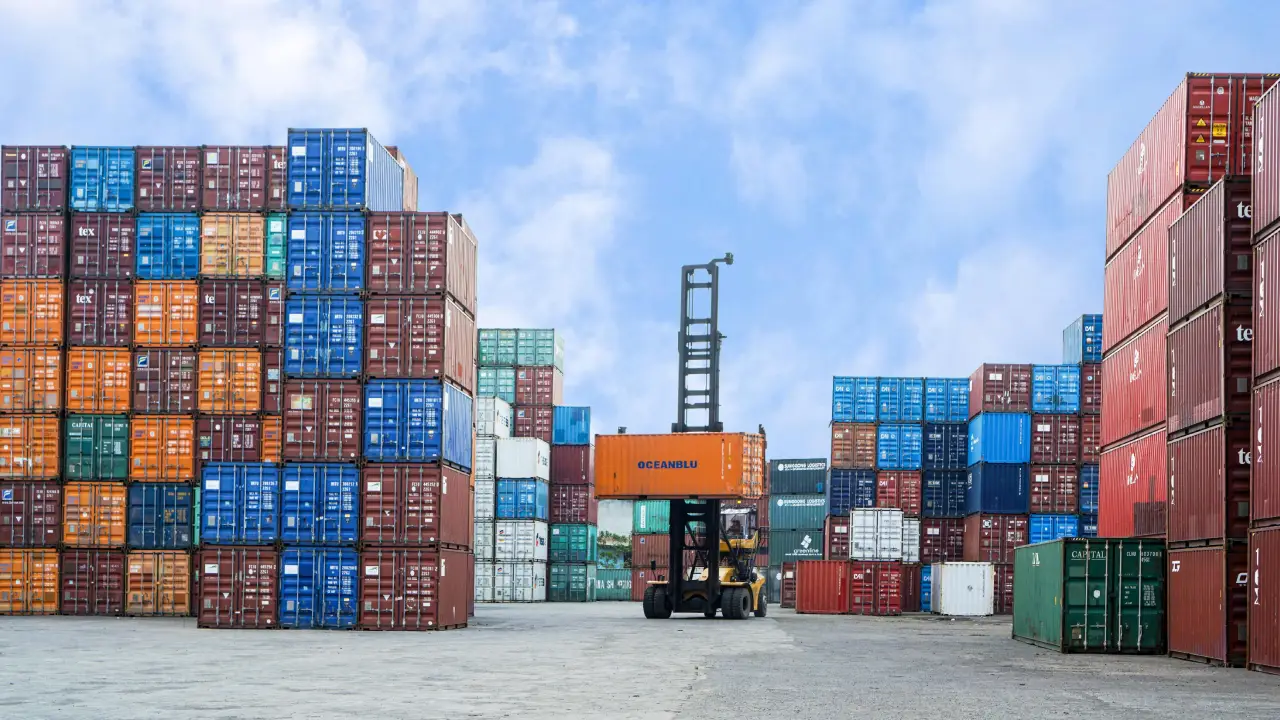
Depending on cargo characteristics and shipment volume, different transport formats are used. Bulk cargo, containerized shipments, and dedicated rail wagons are selected based on what best fits the client’s commercial and operational needs.
Freight Forwarding Central Asia to Germany and Delivery Timeframes
Delivery timeframes in freight forwarding Central Asia to Germany depend on the chosen logistics scheme and cargo volume. In practice, two main transport solutions are applied. Rail-focused routes are commonly used when predictable schedules and tighter timing are required. Multimodal sea-rail solutions are preferred for large volumes where optimizing transportation cost is a priority.
The table below summarizes the most commonly used delivery options, routes, and average transit times.
Transit Time Overview
| Transport Option | Route and Key Hubs | Average Transit Time | Typical Use Case |
|---|---|---|---|
| Rail-based solution | Central Asia – Kazakhstan rail hubs – Aktau / Kuryk – European rail network – Germany | 18–25 days | Regular shipments where schedule stability and predictability are required |
| Multimodal sea and rail | Central Asia – Aktau / Kuryk – Caspian Sea – Poti / Batumi – Black Sea – Constanta / Varna / Burgas – European rail network – Germany | 30–40 days | Large volumes where cost optimization is more important than shorter transit time |
Choosing the right scheme depends on cargo type, shipment size, and commercial priorities. A professional freight forwarder helps select the most suitable option based on real operational conditions rather than theoretical models.
Customs Handling in Freight Forwarding Central Asia to Germany
Freight forwarding Central Asia to Germany always involves customs procedures across several jurisdictions. Proper document preparation and coordinated customs handling are essential to avoid delays and unexpected costs.
Standard documentation includes commercial invoices, packing lists, certificates of origin, and transit declarations. Agricultural shipments additionally require phytosanitary certificates in line with European Union import regulations. Well-organized freight forwarding ensures that these procedures are handled smoothly at each stage of the route.
Cost Structure for Freight Forwarding Central Asia to Germany
One of the key advantages of this corridor is the ability to maintain competitive transportation costs for large and regular shipments. Cost structure depends on cargo type, shipment volume, selected ports, and seasonal factors, but the route remains attractive for B2B logistics.
Indicative transportation cost starts from 110 USD per ton, which allows companies to plan logistics budgets and evaluate supply chain economics in advance.
Freight Forwarding Central Asia to Germany by Sofmar
Sofmar provides professional freight forwarding Central Asia to Germany, organizing shipments through the Trans-Caspian corridor using rail and multimodal sea-rail solutions. The company manages the entire logistics process, including cargo consolidation, route planning, port operations, documentation, and customs coordination.
Sofmar works with agricultural producers, trading companies, and industrial exporters, ensuring reliable delivery through key hubs such as Aktau, Kuryk, Poti, Batumi, Constanta, Varna, and major German logistics centers. Transportation rates start from 110 USD per ton, making Sofmar a practical partner for long-term B2B logistics between Central Asia and Germany.


