Asia–Europe Container Shipping via Georgia and the Middle Corridor
Asia–Europe container shipping is undergoing a major transformation. Rising ocean freight delays, geopolitical restrictions on northern routes, and the global push for supply-chain diversification are shifting cargo flows toward the Middle Corridor — the Trans-Caspian route connecting China, Central Asia, Kazakhstan, the Caspian Sea, Azerbaijan, Georgia and further to the Balkans and the European Union.
From its strategic base in Georgia – port Poti, Sofmar Logistics delivers fully integrated multimodal container solutions that combine rail, sea feeders and road transport to create a fast, reliable and secure link between Asia and Europe.
Why Companies Choose Container Shipping via the Middle Corridor
Traditional Asia–Europe maritime routes take 35–50 days and often face unpredictable congestion. Air freight is fast but expensive. The Middle Corridor provides the optimal middle ground:
- 18–25 day delivery times from China to Europe,
- stable rail schedules,
- access to multiple Black Sea and EU ports,
- resilient multimodal routing via Georgia.
For many industries — electronics, machinery, automotive, textiles, chemicals — this balance of speed and cost makes the corridor a strategic long-term solution.
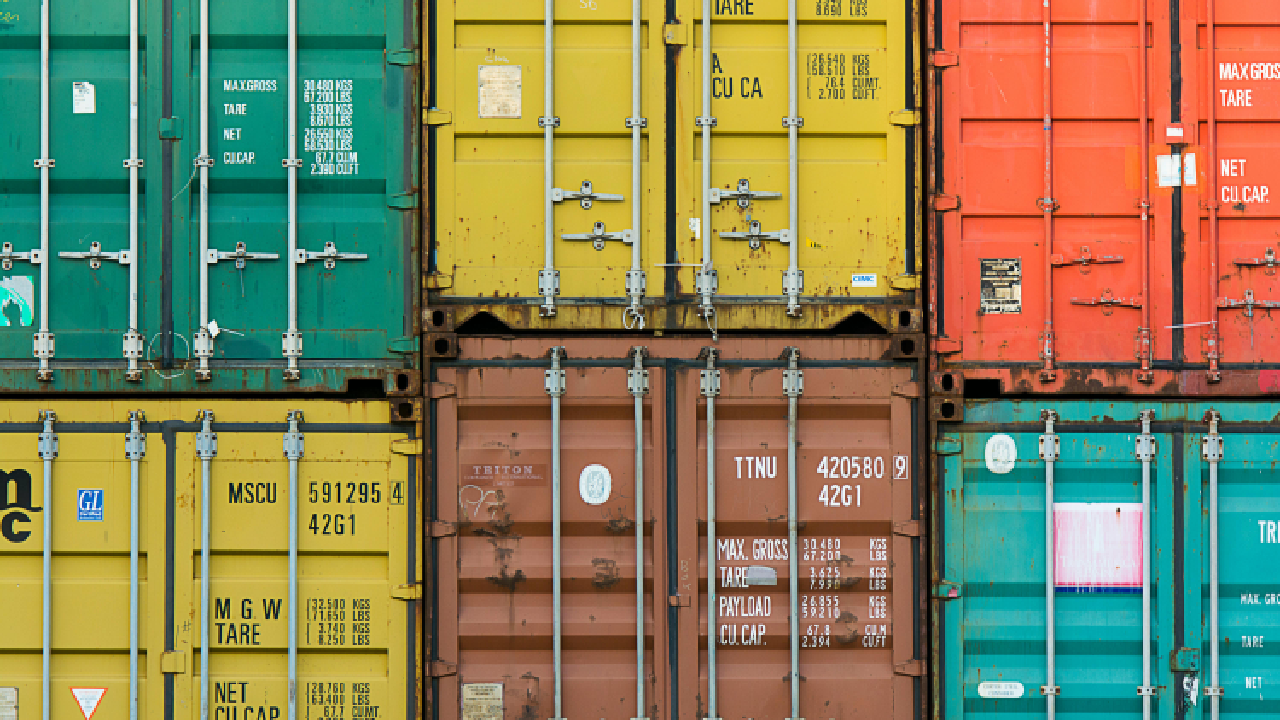
Georgia: The Gateway of Trans-Caspian Container Shipping
Georgia serves as the logistical heart of the Middle Corridor. Its Black Sea ports and upgraded railway networks allow rapid transshipment of containers between Asia, Turkey and the European Union.
Main Georgian Ports and Hubs
- Poti Port — primary container hub of the South Caucasus with regular feeders to Romania, Bulgaria and Turkey.
- Batumi Port — flexible terminal suitable for containers, Ro-Ro and mixed cargo.
- Tbilisi Dry Ports & ICDs — cross-Caucasus distribution and consolidation terminals.
From Georgia, containers move either by sea feeder across the Black Sea or by rail directly into Turkey via the Baku–Tbilisi–Kars (BTK) line.
Key Balkan and European Ports Connected to Georgia
- Constanța (Romania) — top Black Sea EU gateway for Central and Western Europe.
- Varna (Bulgaria) — ideal entry point for Bulgaria, Romania and SEE region.
- Burgas (Bulgaria) — Ro-Ro and feeder hub for Balkan supply chains.
- Thessaloniki (Greece) — strategic for Greece, Serbia, North Macedonia, Albania.
- Istanbul (Turkey) — major transshipment center with broad inland rail/truck links.
These ports integrate with European intermodal corridors into Hungary, Poland, Slovakia, Czech Republic, Germany, Benelux and Italy.
Asia–Europe Multimodal Container Shipping Over the Middle Corridor
The full multimodal flow combines five segments:
- Rail from China to Kazakhstan (3–5 days)
- Caspian Sea ferry from Aktau/Kuryk to Baku/Alat (1–3 days)
- Rail from Azerbaijan to Georgia (1–2 days)
- Black Sea Feeder from Poti/Batumi to EU ports (3–7 days)
- Rail/Truck from EU ports to final destinations (2–5 days)
Sofmar Logistics manages the entire chain as a single controlled operation.
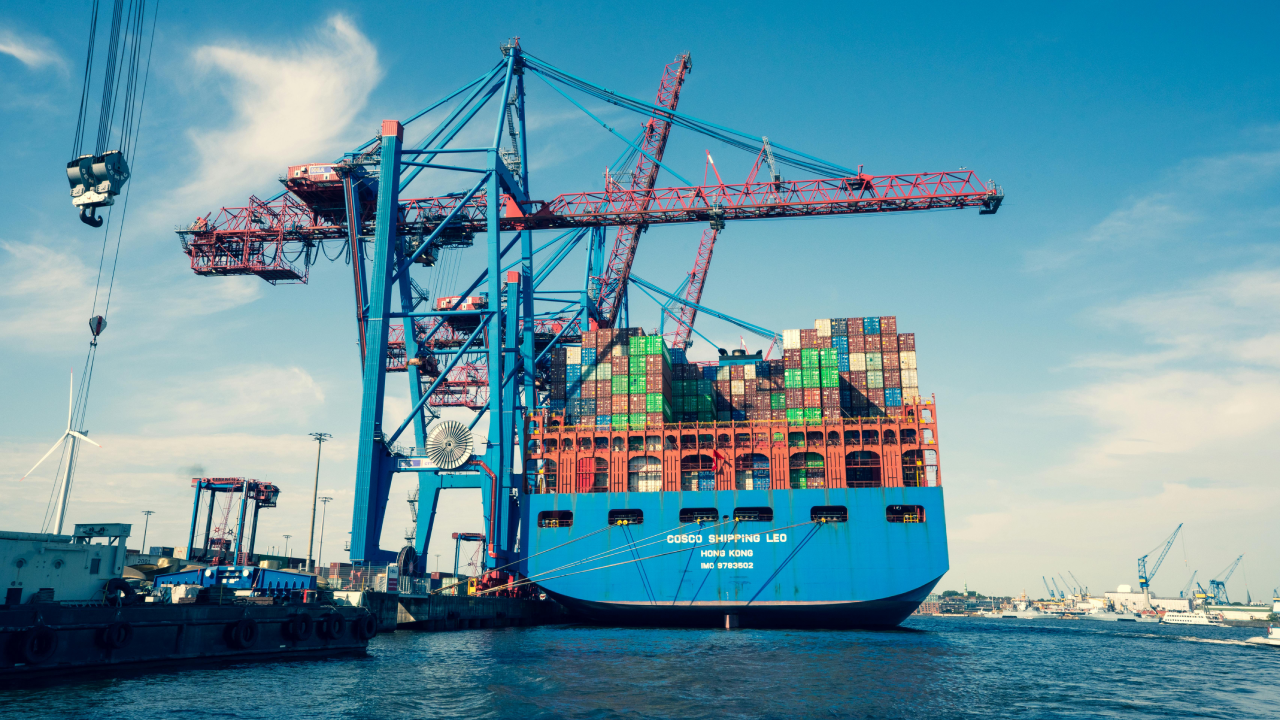
Asia–Europe Container Shipping Table: Routes, Ports, Modes and Transit Times
Below is the complete route table prepared for commercial use.
| Route | Key Ports & Hubs | Main Transport Modes | Approx. Transit Time | Notes |
|---|---|---|---|---|
| China → EU via Georgia | Xi’an / Urumqi → Aktau/Kuryk → Baku/Alat → Poti/Batumi → Constanța/Varna | Rail + Caspian ferry + Rail + Feeder | 18–25 days | Fast, stable multimodal alternative to long ocean routes. |
| China → Turkey via BTK | Xi’an → Kazakhstan → Baku → Tbilisi → Kars → Istanbul | Rail + Ferry + Rail | 14–20 days | Direct rail access into Turkey through Baku–Tbilisi–Kars. |
| Central Asia → EU via Georgia | Almaty → Aktau → Baku → Poti → Constanța/Burgas | Rail + Ferry + Feeder | 8–15 days | Fastest CA–EU multimodal connection. |
| China → South-East Europe | Chongqing/Chengdu → Caspian ports → Georgia → Thessaloniki | Rail + Ferry + Feeder + Truck/Rail | 18–24 days | Ideal for Balkans, Greece and SEE region. |
| China → Georgia | Xi’an/Urumqi → Kazakhstan → Baku → Tbilisi/Poti/Batumi | Rail + Ferry + Rail | 10–14 days | For regional delivery across the Caucasus. |
Advantages of Asia–Europe Container Shipping via Georgia
1. Faster Transit than Sea Freight
Traditional maritime routes take 35–50 days; the Middle Corridor delivers in just 18–25 days.
2. Much Cheaper Than Air
Containerized rail + feeder transport gives companies up to 70% lower cost than air freight.
3. Bypass of Congested Maritime Routes
Avoids Suez delays, port congestion and seasonal disruptions.
4. High Security and Low Handling
Containers move through controlled railway networks and secure terminals with minimal handovers.
5. Multiple Routing Options
Cargo can be routed through:
- Turkey (rail via BTK)
- Constanța (Romania)
- Varna & Burgas (Bulgaria)
- Thessaloniki (Greece)
allowing optimization for cost, speed or destination.
6. Ideal for High-Value & Time-Sensitive Cargo
Electronics, machinery, auto parts, pharmaceuticals, textiles, chemicals and e-commerce goods benefit from predictable delivery schedules.
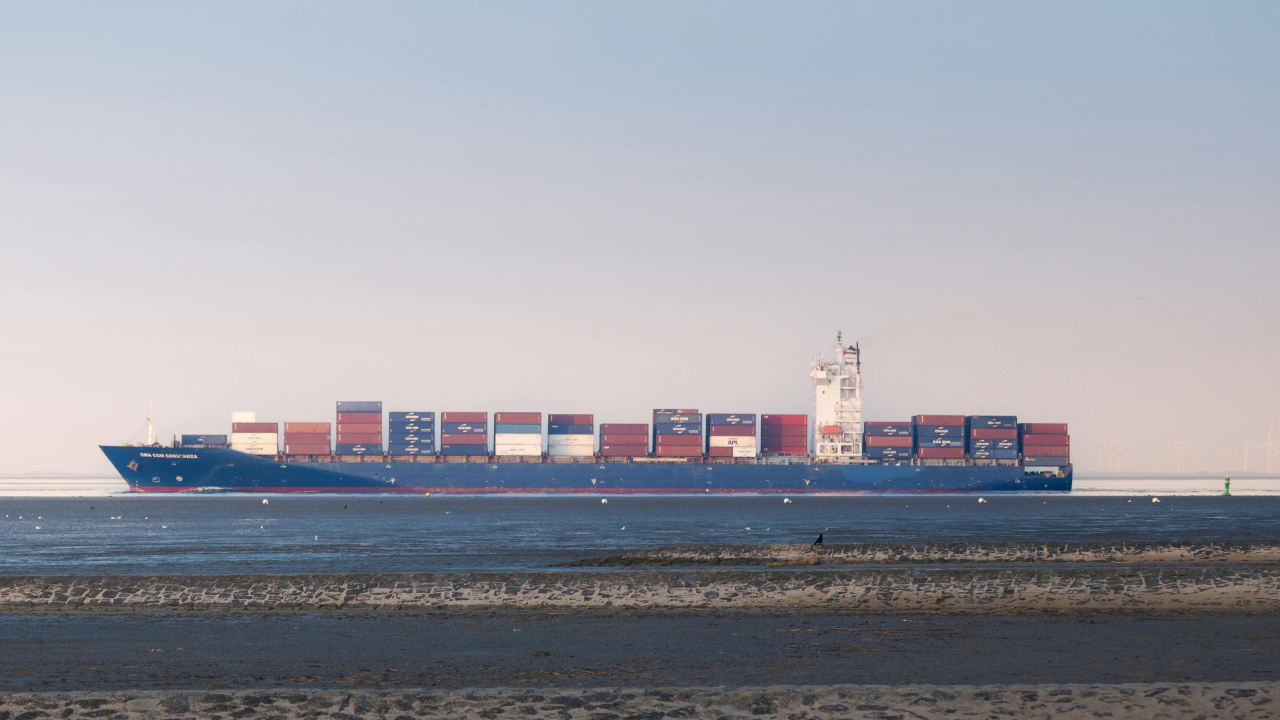
How Sofmar Logistics Operates the Corridor
End-to-End Multimodal Management
- Booking at origin terminals in China
- Rail transport to Kazakhstan
- Caspian ferry connections
- Rail transit to Georgia
- Port handling at Poti and Batumi
- Black Sea feeders to EU ports
- Rail and truck delivery within the EU
Full Document Support
- Export declarations
- Transit documentation (KZ, AZ, GE)
- Certificates, packing lists
- Customs clearance in EU
Industries Using This Route
- Electronics & consumer goods
- Automotive components
- Industrial machinery
- Fashion & textiles
- Pharmaceuticals
- Chemicals (non-hazardous)
- E-commerce fulfilment cargo
Asia–Europe container shipping via Georgia and the Middle Corridor is now one of the fastest-growing and most reliable multimodal solutions. It combines competitive transit times, diversified routes, high cargo security and access to essential Black Sea and EU ports.
Sofmar Logistics offers complete end-to-end control of this corridor, managing every logistical stage from factory in Asia to final destination in Europe. Whether you are testing the route with trial shipments or planning stable weekly flows, Sofmar provides the expertise and infrastructure to move your cargo efficiently.
Contact us to receive route options, transit schedules and a customized Asia–Europe container shipping plan.


