December 2025
Alternative Routes to Europe Freight
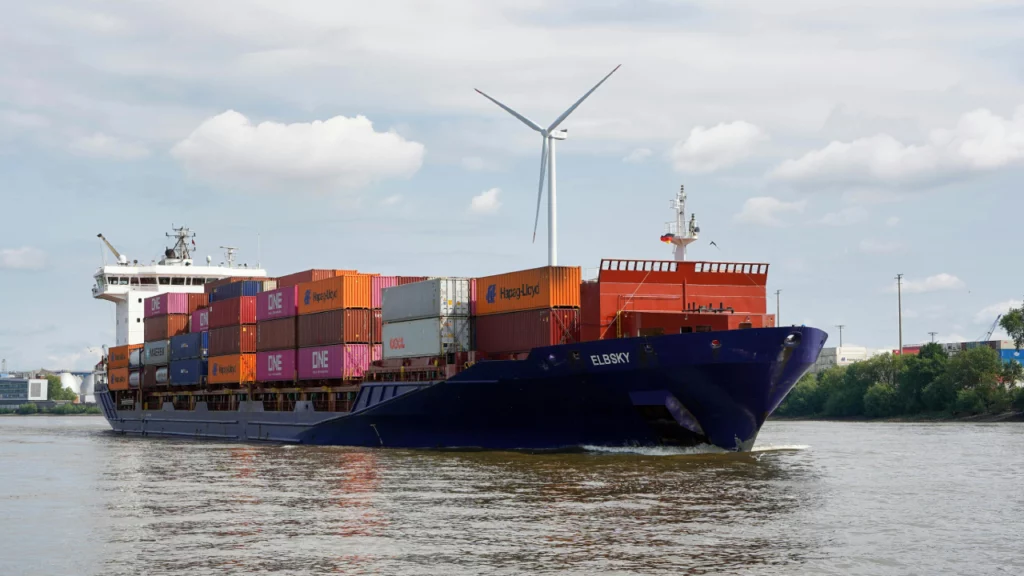
Freight transportation to Europe has become increasingly sensitive to disruptions. Congestion at major ports, geopolitical uncertainty, regulatory changes, and overloaded traditional corridors have forced many companies to rethink how they move cargo. As a result, alternative routes to Europe freight are no longer considered secondary options — they are becoming a standard part of logistics planning.
Alternative routes focus on flexibility, risk diversification, and operational control rather than relying on a single transit corridor.
What Are Alternative Routes to Europe Freight?
Alternative routes to Europe freight are logistics solutions designed to complement or bypass traditional transport corridors such as the Suez Canal or Northern European hubs. These routes typically use a multimodal structure, combining rail, sea, road, and ferry transport to maintain cargo flow even under unstable conditions.
The key objective of alternative routing is not always the shortest transit time. Instead, the priority is:
-
predictable delivery schedules
-
reduced exposure to geopolitical risks
-
diversified transport corridors
-
the ability to reroute shipments when conditions change
In many cases, reliability is more valuable than speed.
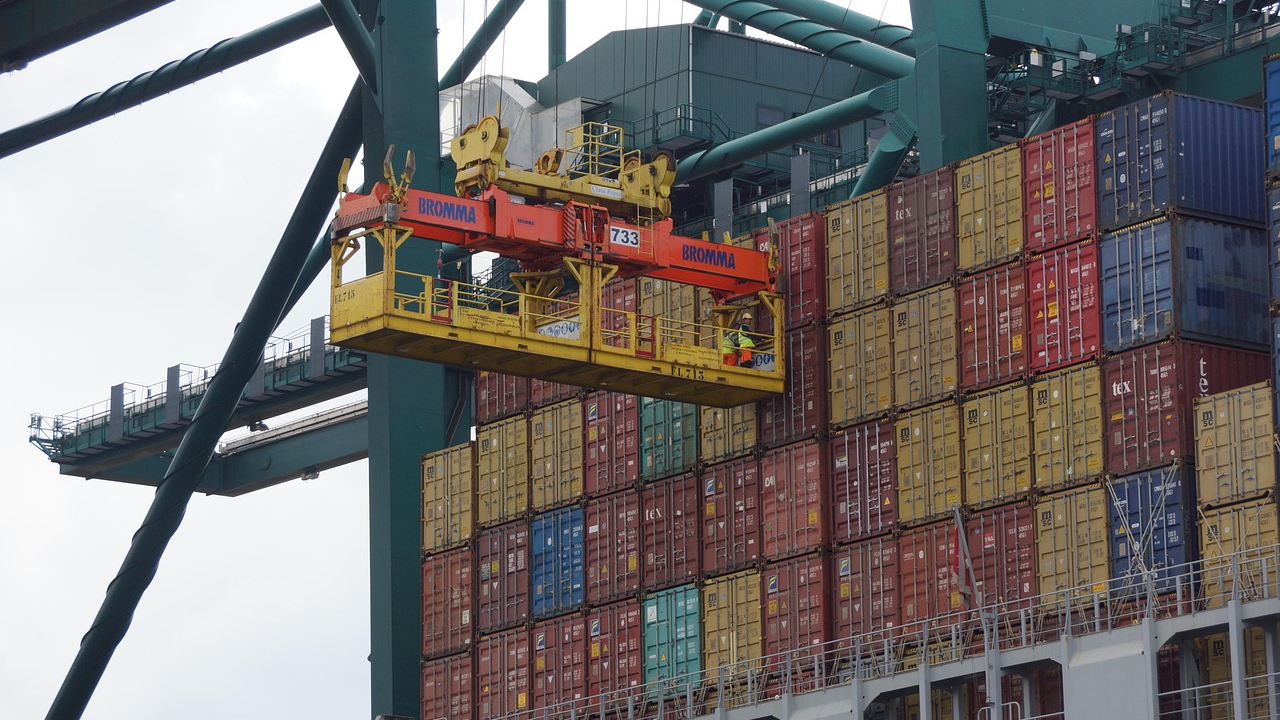
Why Alternative Routes Are Gaining Importance
Recent years have shown how vulnerable global supply chains can be when they depend on a limited number of routes. Disruptions in one corridor can delay cargo for weeks and significantly increase costs.
Alternative routes help companies:
-
reduce dependency on a single region or transit country
-
avoid congestion at major European ports
-
maintain continuity during regulatory or political changes
-
stabilize logistics budgets
For businesses shipping to Europe, flexibility has become a strategic necessity.
The Middle Corridor as an Alternative Route to Europe
One of the most important alternative routes to Europe freight is the Middle Corridor, also known as the Trans-Caspian International Transport Route.
This corridor connects Asia and Central Asia with Europe through a combination of:
-
rail transport across Central Asia
-
Caspian Sea crossings
-
land transit through the Caucasus
-
Black Sea shipping to European ports
The route provides access to Southeast, Central, and Eastern European markets while avoiding heavily congested traditional corridors.
Advantages of Alternative Routes via the Caucasus and the Black Sea
Alternative routes through the Caucasus and the Black Sea offer several practical advantages.
They allow logistics chains to remain operational even when traditional routes are disrupted. Multimodal transport enables route optimization based on cargo type, urgency, and cost considerations.
These routes also provide access to multiple European ports, supporting flexible distribution strategies and reducing pressure on major Western European hubs.
Customs and transit frameworks along these corridors are well-adapted for international freight movement, supporting efficient cross-border operations.
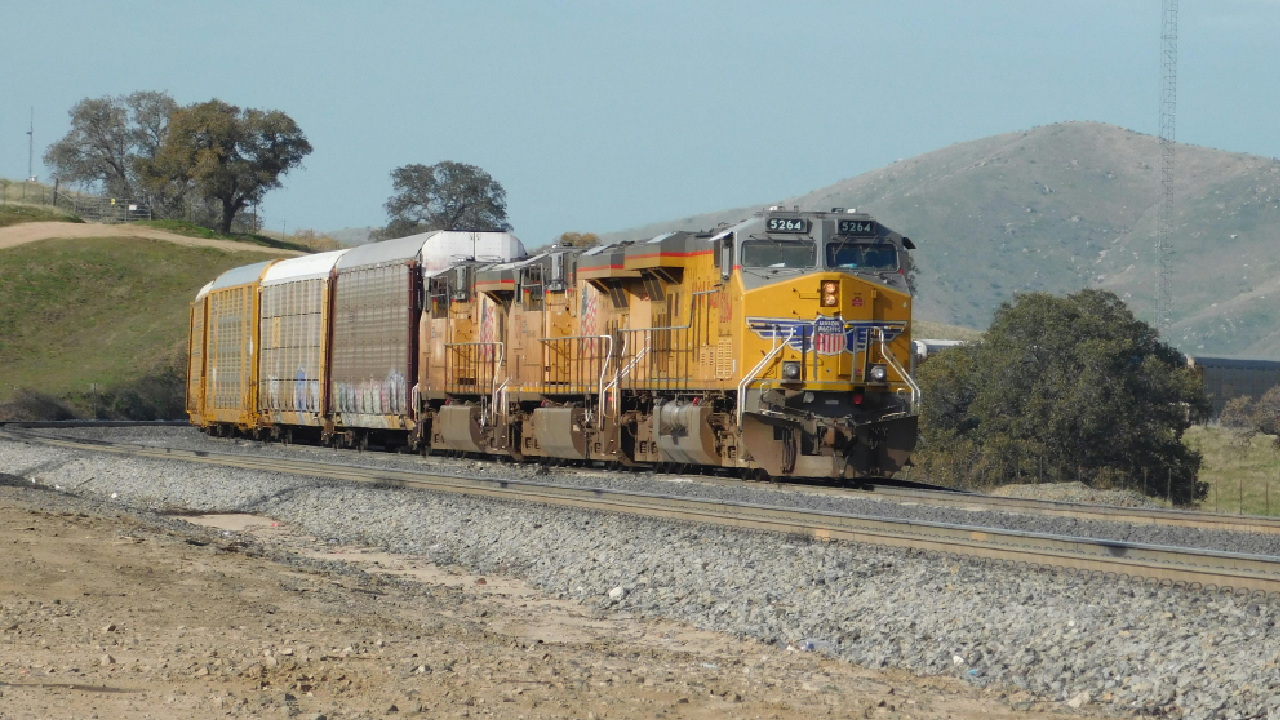
Cargo Types Suitable for Alternative Routes to Europe
Alternative routes to Europe freight are especially suitable for:
-
containerized shipments
-
industrial and manufacturing equipment
-
automotive components
-
consumer goods
-
project and oversized cargo
-
shipments requiring stable and predictable delivery times
For high-value or time-critical cargo, route reliability often outweighs minimal transit time.
Estimated Transit Times from Asia to Europe via Georgia
Below are indicative transit times for multimodal freight routes passing through Georgia (Caucasus corridor and Black Sea ports). Actual transit times may vary depending on cargo type, seasonality, port congestion, and border procedures.
| Origin Country / Region (Asia) | Destination Region (Europe) | Main Route via Georgia | Estimated Transit Time |
|---|---|---|---|
| China (Central / Western) | Eastern Europe | Rail + Caspian Sea + Caucasus (Georgia) + Black Sea | 25–35 days |
| China (Central / Western) | Southern Europe | Rail + Caspian Sea + Caucasus (Georgia) + Black Sea | 30–40 days |
| Kazakhstan | Eastern Europe | Rail + Caspian Sea + Caucasus (Georgia) + Black Sea | 20–30 days |
| Uzbekistan | Eastern Europe | Rail + Caspian Sea + Caucasus (Georgia) + Black Sea | 22–32 days |
| Central Asia (general) | Central Europe | Multimodal: Rail + Caspian Sea + Georgia + Black Sea + Road/Rail in EU | 28–40 days |
Managing the Complexity of Alternative Freight Routes
Multimodal routes involve coordination between different transport modes and transit countries. This adds complexity, but it can be managed effectively through proper planning and coordination.
Professional logistics management includes:
-
integrated route design
-
centralized shipment tracking
-
coordination with regional operators
-
transparent communication throughout the transport process
When managed correctly, alternative routes become a source of resilience rather than complication.
Alternative Routes as a Long-Term Logistics Strategy
Alternative routes to Europe freight are no longer temporary solutions used only during crises. They are becoming a permanent element of modern logistics strategies.
Diversified transport corridors allow businesses to adapt quickly to changing conditions, protect supply chains from disruptions, and maintain stable access to European markets.
Logistics providers with strong regional expertise — including operators such as Sofmar — support these strategies by developing flexible multimodal solutions tailored to real operating conditions rather than theoretical routes.


